Table of Contents
- How red light therapy works at the cellular level to support muscle performance and recovery
- When to use red light therapy before a workout for fatigue resistance and power
- When to use it after a workout for muscle recovery, soreness reduction, and tissue repair
- Pre vs Post: How to Decide Which Timing Is Best for Your Goals
- Sample protocols, safety tips, and how to build a sustainable routine around your training schedule
- How Red Light Therapy Fits Into a Complete Recovery Routine
- Safety, Contraindications, and How to Listen to Your Body
- Who Benefits Most from Red Light Therapy Around Workouts?
- Frequently Asked Questions About Red Light Therapy Timing
- Why Choose a Local Wellness Center for Red Light Therapy Support
This guide is written for active adults and fitness enthusiasts who want faster recovery, less muscle soreness, and better athletic performance. Examples and recommendations are tailored to people training and recovering in the North Andover and Merrimack Valley area.
Introduction: Answering “Red Light Therapy Before or After Workout?” Up Front
Red light therapy can be used both before and after a workout, but the timing shifts what you get out of it. Pre-workout sessions prime your muscle cells for peak performance and fatigue resistance. Post-workout sessions focus on tissue repair, inflammation control, and reducing delayed onset muscle soreness.
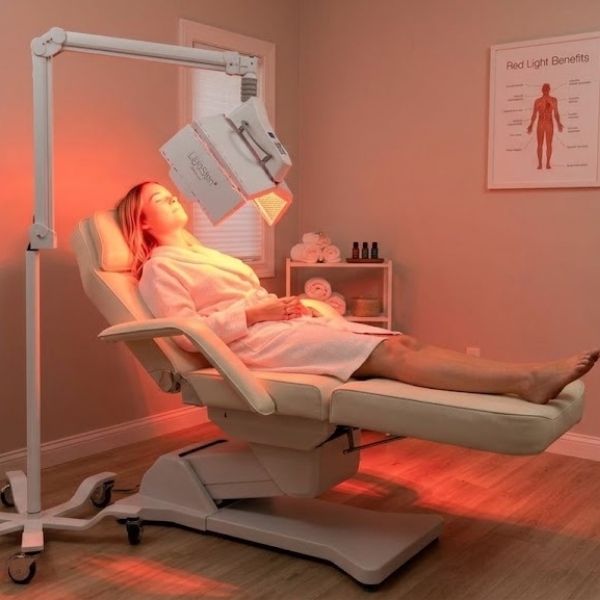
Red light therapy-also called low-level light therapy or photobiomodulation-works by delivering red and near-infrared light to muscle tissue. It does not rely on heat or stimulants. Instead, it supports blood flow, cellular energy production, and the body’s natural recovery processes at a level most people can feel within a few weeks of consistent use.
Here is what you will walk away with: practical protocols (10–15 minutes pre-workout, 10–20 minutes post-workout), clear safety guidance, and a framework for deciding how often to use red light therapy around your training sessions.
How Red Light Therapy Works for Muscle Performance and Recovery
Red and near-infrared wavelengths- roughly 630 to 850 nm-penetrate skin and muscle tissue to interact with a specific enzyme in your mitochondria called cytochrome c oxidase. This interaction triggers increased ATP production, which is the primary fuel your muscle cells use for contraction, repair, and sustained effort. Near infrared light reaches deeper structures like tendons and connective tissues, while red light targets surface-level muscle tissue and skin.
In practical terms, this means more cellular energy available for a heavy leg day, a long run along the Merrimack River trail, or back-to-back training sessions during a busy week. The same cellular function that powers your workout also supports repair afterward-timing simply shifts the emphasis.
Key mechanisms at work:
- Improving blood flow and vasodilation through nitric oxide release, helping support circulation to working muscles
- Reducing oxidative stress that accumulates during intense exercise
- Modulating the inflammatory response so the body responds to training stress without excessive swelling or prolonged soreness
- Supporting collagen synthesis and connective tissue repair around joints, tendons, and ligaments
Red Light Therapy Before a Workout: Priming Muscles for Peak Performance
Pre-exercise light therapy is about priming, not replacing your warm-up. Think of it as a physiological head start. Red light therapy acts as a physiological warm-up for the muscles when used before exercise, helping them reach readiness with less joint stiffness and reduced initial resistance.
Red light therapy enhances muscle performance before workouts through several direct pathways. Pre-workout red light therapy increases ATP availability in muscle cells, giving your muscles a larger energy reserve before the first rep or stride. Using red light therapy before exercise improves oxygen utilization, meaning your muscles extract and use oxygen more efficiently under load. Research suggests pre-workout red light therapy can improve stamina and time-to-exhaustion-some controlled trials show athletes completing 12–15% more repetitions to failure after pre-workout exposure.
Concrete examples: applying red light on quads and glutes before squats, or targeting calves and hamstrings before hill repeats. Pre-conditioning tissues with red light therapy can lower biochemical markers of muscle strain, including creatine kinase levels measured after exercise. Red light therapy also reduces muscle stiffness before workouts, which helps maintain form and reduce the risk of acute muscle damage during a strenuous workout.
The effective window for pre-workout use is roughly 5 minutes to 6 hours before training. Studies show that applying light therapy 24 hours before a session produces significantly weaker effects, so timing matters.
Red Light Therapy After a Workout: Supporting Muscle Recovery and Less Soreness
After intense exercise, your muscle fibers have micro-tears, your blood vessels are dilated, and your body has launched an inflammatory cascade to start repairs. Metabolic waste products like lactate have accumulated, and the familiar heaviness of muscle fatigue begins to set in. This is the window where post-workout red light therapy earns its reputation.
Red light therapy administered after workouts focuses on tissue repair rather than performance enhancement. Post-workout red light therapy improves tissue repair and reduces inflammation by moderating the inflammatory signals that cause prolonged swelling and stiffness. Post-workout application of red light therapy can help mitigate oxidative stress, which contributes to delayed recovery. Red light therapy enhances blood flow to muscles post-exercise, helping clear metabolic waste products and deliver oxygen and nutrients to damaged tissue. Using red light therapy after exercise accelerates muscle recovery processes and shortens the window of vulnerability between sessions.
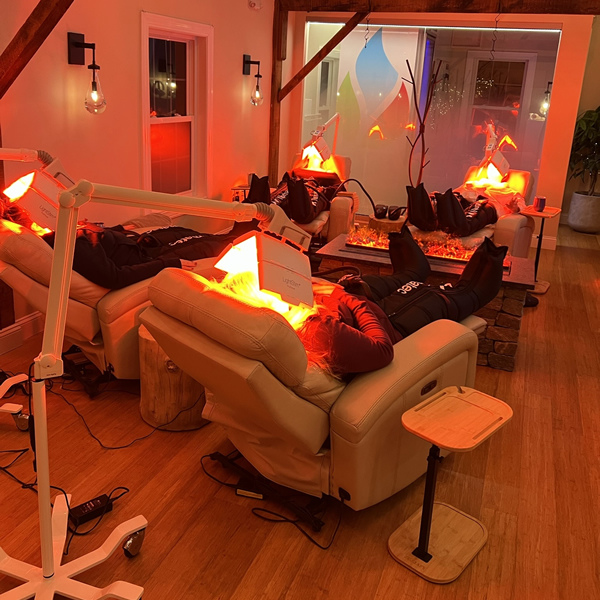
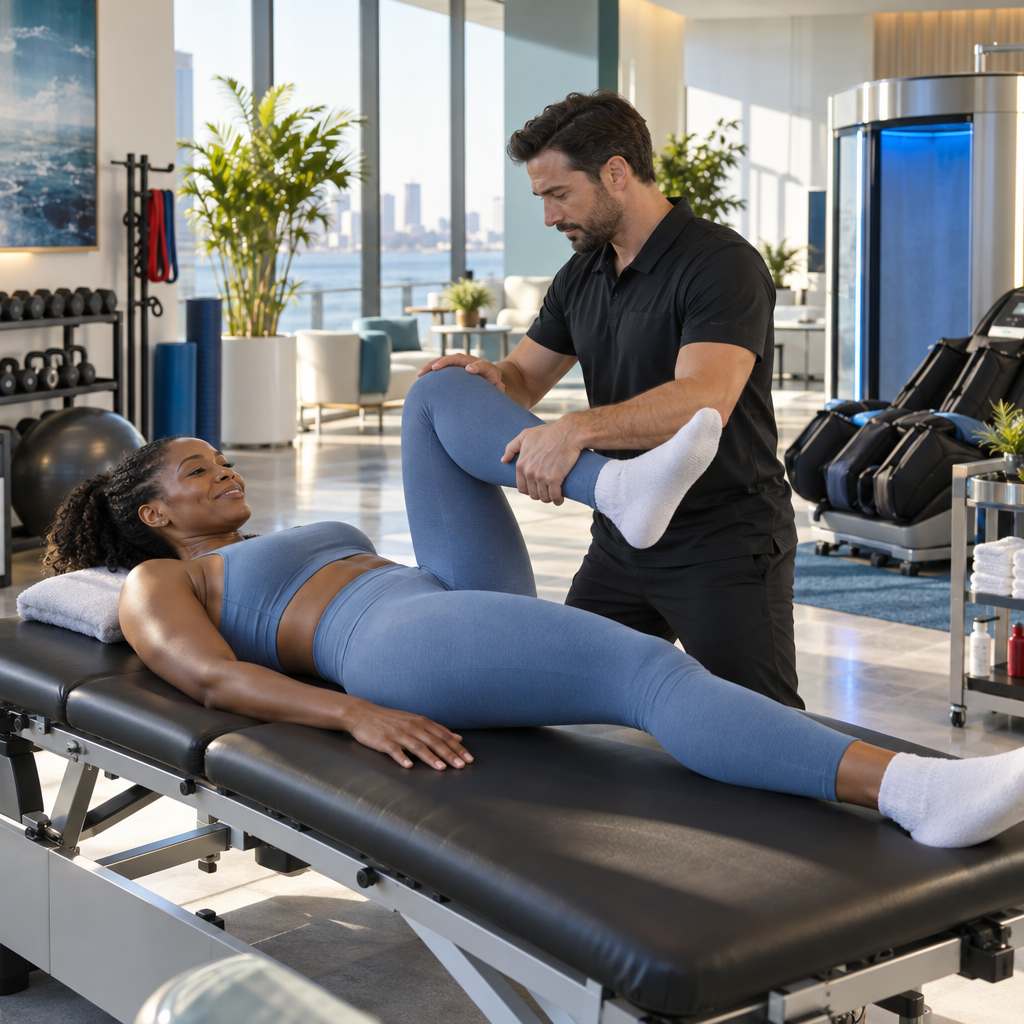
Red light therapy reduces delayed onset muscle soreness. Meta-analyses confirm that post-exercise use lowers soreness scores within 24–72 hours and supports strength recovery for up to 96 hours after damaging exercise. Post-workout red light therapy reduces delayed onset muscle soreness most effectively when applied within 2 hours of finishing your session.
Practical examples: using red light on your lower back and hips after deadlifts, or on shoulders and elbows after tennis or pickleball at a local North Andover club. For people who train multiple days per week and need faster recovery between sessions, post-workout timing is often the priority.
Pre vs Post: How to Decide Which Timing Is Best for Your Goals
Choosing between pre-workout and post-workout red light therapy comes down to your primary goal and training schedule. Here is a side-by-side breakdown:
- If your goal is more power, more reps, or faster sprints, prioritize pre-workout sessions for improved exercise performance and fatigue resistance.
- If your goal is muscle recovery, soreness reduction, and staying consistent through the week, prioritize post-workout sessions for improved recovery time and less lingering stiffness.
- If you are in a high-volume training block, combining pre- and post-workout sessions maximizes recovery benefits and keeps performance markers stable across the week.
- Shorter red light therapy sessions before and after workouts can be beneficial-even 5–8 minutes on each side adds up.
- For strength training days, emphasize pre-workout exposure to support power output and neuromuscular activation.
- For endurance or high-rep blocks, emphasize post-workout exposure to manage cumulative muscle damage and accelerate recovery.
- Using red light therapy both times improves muscle growth and recovery, especially during demanding phases of your training routine.
Red light therapy enhances performance and recovery simultaneously, which is why many active adults choose to use it on both sides of a session rather than picking one.
Sample Protocols: How to Use Red Light Therapy Around a Workout
These protocols are designed as a practical playbook. Adjust based on your fitness routine, session length, and how your body responds.
- Pre-workout routine: 10–15 minutes of red light therapy, 30–60 minutes before training. Target the major muscle groups you plan to train-quads, hamstrings, chest, shoulders, or back. Pre-workout sessions should last 10 to 20 minutes for optimal priming. Position yourself close to the light source for maximum penetration.
- Post-workout routine: 10–20 minutes within 2 hours after exercise. Focus on the muscles and joints that feel most taxed. Follow with hydration and light stretching. For large muscle groups like quads or glutes, aim for 60–180 joules of total energy; for smaller groups like biceps or calves, 20–60 joules is typically sufficient.
- Split routine (same day): 5–8 minutes before the workout and 10–12 minutes afterward. This approach is helpful during intense training weeks when you need both performance support and recovery support on the same day.
- Weekly frequency: For casual gym-goers training 2–4 days per week, 2–4 red light sessions per week is a reasonable starting point. For high-level athletes or those in heavy training blocks, daily use around training sessions may be appropriate. During deload weeks, reduce frequency.
- Watch for diminishing returns: More exposure is not always better. Excessively long or frequent sessions can plateau benefits. Follow device-specific recommendations and stay consistent rather than chasing more volume.
How Red Light Therapy Fits Into a Complete Recovery Routine
Red light therapy is a powerful tool, but it works best layered on top of the basics. Sleep, nutrition, movement, and stress management are the foundation. Red light therapy supports the body’s recovery, but it cannot compensate for four hours of sleep or chronic dehydration.
How to pair light therapy with recovery fundamentals:
- Prioritize sleep: aim for at least 7 hours per night. Improved recovery starts with rest.
- Stay hydrated before, during, and after sessions.
- Eat whole foods that limit chronic inflammation-vegetables, lean protein, healthy fats.
- Include active recovery days with light movement, walking, or mobility work.
- Use red light therapy before stretching or mobility sessions; improving blood flow from the light can help muscles feel less stiff and more responsive to lengthening.
Over time, consistent light therapy sessions help maintain performance across a training block, supporting both the nervous system and the body’s recovery between demanding days. The goal is not to train harder every single day but to train harder when it matters and recover properly when it does not.
Safety, Contraindications, and How to Listen to Your Body
Red light therapy is generally considered low risk when used correctly. Adverse effects are rare and typically mild-occasional skin irritation or eye discomfort if devices are used without proper protection.
Key safety practices:
- Use proper eye protection when recommended by device instructions.
- Follow recommended device distance and time limits.
- Avoid staring directly into high-intensity sources.
Groups who should talk to a healthcare provider before starting:
- Individuals on photosensitizing medications (certain antibiotics, retinoids, chemotherapy agents)
- People with known light-sensitive conditions like lupus or porphyria
- Anyone under active cancer treatment
- Pregnant individuals
- People with unexplained skin lesions or a history of skin cancer
Monitor how your body responds over a few weeks. Track muscle soreness, perceived recovery, and training performance. Reduce frequency or session length if you notice irritation, headaches, or unusual fatigue. Red light therapy should not be used as a substitute for medical evaluation of acute injuries, sharp pain, or worsening symptoms.
Who Benefits Most from Red Light Therapy Around Workouts?
Light therapy is not only for elite athletes. It helps anyone whose muscles and joints are stressed by regular intense activity.
Key groups who benefit:
- Strength athletes lifting 3–5 days per week who need to train harder without accumulating excessive muscle damage
- Runners and cyclists building mileage who want soreness reduction and faster turnaround between long efforts
- Busy professionals squeezing in early-morning or late-night workouts and needing to recover faster on limited schedules
- Adults managing recurring knee, shoulder, or back soreness who want to stay consistent with their fitness goals
- Parents dealing with repetitive lifting, healthcare workers on long shifts, and people returning to exercise after time off who want to reduce muscle soreness as they ramp back up
Consistent, well-timed red light therapy supports the body’s recovery and helps people maintain training momentum without feeling as worn down between sessions.
Frequently Asked Questions About Red Light Therapy Timing
Can I use red light therapy both before and after a workout?
Yes. Combining pre- and post-workout sessions is common, especially in high-intensity or high-volume training phases, because it supports both muscle performance and recovery. A simple combined protocol: a short 5–10 minute exposure before exercise to prime muscle cells for cellular energy production, and a 10–15 minute session afterward to support the body’s recovery and reduce muscle soreness.
Avoid very long total daily exposure. Follow device or studio guidelines for safe cumulative dosing. Track how you feel the day after training to fine-tune whether you benefit more from pre, post, or both types of sessions.
How soon before or after exercise should I schedule my red light therapy session?
Pre-workout sessions are most effective when done within about 30–120 minutes before training, giving time for changes in local circulation and ATP production to take effect. Post-workout sessions should be scheduled as soon as practical after exercise-ideally within 2 hours- when the body is actively repairing muscle damage and managing inflammation.
A concrete example: finishing a strength session at 6 pm, then using red light therapy at 6:15–6:30 pm after a brief cool-down and hydration. If same-day timing is not possible, using red light therapy later that evening can still support the body’s recovery overnight.
Will red light therapy replace my warm-up or cool-down routine?
No. Red light therapy should not replace dynamic warm-ups, mobility drills, or cool-down stretches. It is meant to complement movement-based preparation and recovery. A simple combined routine: 10 minutes of red light therapy, then 5–10 minutes of dynamic movements like lunges, hip circles, or band work before strength training.
For cooldowns, pair a post-workout red light session with light walking, breathing exercises, and gentle stretching. Movement-based warm-ups help joints, tendons, and the nervous system in ways that light therapy alone cannot replicate.
How quickly will I notice less muscle soreness or faster recovery?
Some people feel changes in perceived muscle tightness or soreness after a few sessions, while others notice clearer benefits over 2–4 weeks of consistent use. Pay attention to specific performance markers: how you feel walking downstairs the day after leg day, how long delayed onset muscle soreness lasts, and whether you can maintain training intensity across the week.
Red light therapy supports the body’s natural recovery but does not eliminate normal training fatigue entirely. The goal is smoother, improved recovery-not an instant reset. Keeping a simple training and recovery log helps you track changes in muscle soreness, exercise performance, and sleep quality.
Is red light therapy safe to use year-round as part of my training plan?
Research through the mid-2020s suggests red light therapy is generally safe for ongoing use when dosed appropriately, with no known cumulative toxicity at typical wellness-level exposures. Consider occasional reassessment every 8–12 weeks to make sure your current protocol still matches your training volume, age, and overall health status.
Adjusting session frequency across the year-increasing during heavy training blocks and decreasing during deload weeks-helps align light therapy with the body’s changing recovery demands. Get medical evaluation for new or worsening pain, unusual skin changes, or systemic symptoms rather than assuming red light therapy can address all issues alone.
Does red light therapy help only with muscles, or can it support joints too?
Red light therapy also affects tissues around joints, including tendons, ligaments, and the joint capsule, by improving oxygen delivery and cellular energy in those areas. Examples include using light on knees after running, on shoulders after swimming or overhead lifting, and on ankles after long hikes in hilly terrain.
While red light therapy may ease discomfort and support the body’s healing response, it is not a cure for structural joint problems like advanced arthritis or ligament tears. People with ongoing joint stiffness or pain should combine light therapy with strength training, mobility work, and medical guidance for a more comprehensive approach.
Why Choose a Local Wellness Center for Red Light Therapy Support
Navigating red light therapy on your own-choosing devices, dialing in wavelengths, figuring out dose-can be overwhelming. A dedicated wellness studio removes the guesswork. Staff can help decide whether pre- or post-workout timing is best for your individual goals, how to position your body relative to the light source, and how to tailor session length for your training schedule.
A center serving the North Andover and broader Merrimack Valley community can also coordinate red light therapy with complementary services like compression therapy, infrared sauna, or cryotherapy to support the body’s recovery from multiple angles. Flexible booking for early-morning or evening sessions around work, practice, and family schedules makes it realistic to stay consistent-which is where the real results come from.
Take the Next Step: Build a Smarter Recovery Routine Around Your Workouts
Red light therapy works for both performance and recovery. The best timing depends on whether you need help with power output today, smoother recovery tomorrow, or a combination of both. For most active adults, integrating even a few sessions per week around training can meaningfully reduce muscle soreness, support muscle repair, and help you recover faster across the training schedule.
Think about your current pain points: repeated muscle fatigue that lingers for days, joint stiffness that slows your warm-up, or feeling unable to maintain intensity across the week. These are signs your recovery today could use an upgrade.
Schedule a consultation at Bonfire Wellness to build a customized red light therapy plan that matches your training style, recovery needs, and schedule. Book your first session this week and start experiencing what smarter recovery actually feels like.