
Table of Contents
- Should You Do Cryotherapy Before or After a Workout?
- How Whole Body Cryotherapy Works in Sports Medicine
- Cryotherapy Before a Workout: When It Helps and When It Hurts
- Cryotherapy After a Workout: Recovery, Soreness, and Muscle Gains
- Practical Timing Guide: Matching Cryotherapy to Your Training Goals
- Safety, Session Length, and What to Expect in a Cryotherapy Chamber
- FAQs: Cryotherapy Before or After Workouts
- Why Choose a Professional Recovery Studio for Cryotherapy
- Next Steps: How to Start Using Cryotherapy Around Your Workouts
Should You Do Cryotherapy Before or After a Workout?
There is no single right answer. The best timing for cryotherapy depends on whether your goal is performance enhancement or recovery. Whole body cryotherapy exposes you to very cold temperatures inside a cryotherapy chamber – typically around −150 °F to −200 °F for up to three minutes of dry, extreme cold. In 2026, many athletes, gym-goers, and fitness enthusiasts use cryotherapy sessions regularly, but few realize that timing this treatment incorrectly can blunt muscle adaptation or reduce workout quality. Research suggests different strategies for endurance versus strength training, and for pain relief versus long-term muscle growth. This guide covers the science, practical timing rules, safety, and how to decide what works for your routine.
How Whole Body Cryotherapy Works in Sports Medicine
When you step into a cryotherapy chamber, your body responds to the intense cold with a cascade of protective mechanisms. Cryotherapy reduces inflammation through vasoconstriction of blood vessels, temporarily restricting blood flow to the skin and superficial muscles. Cold exposure activates the sympathetic nervous system response, triggering surges in noradrenaline and endorphins that raise your pain threshold and improve mood.
Beyond the immediate shock, cryotherapy increases white blood cell counts, enhancing the immune response. It can also reduce muscle edema and enhance waste transportation from damaged tissues. These changes explain why cold therapy helps manage soreness and short-term recovery – but they also highlight a trade-off. The inflammatory process after exercise is part of muscle repair, and suppressing it too aggressively can interfere with adaptation. Evidence suggests the benefits are strongest for reducing pain and preserving function between sessions, while the impact on building muscle remains more nuanced. Research comparing whole body cryotherapy with cold water immersion and ice baths is still evolving.
Cryotherapy Before a Workout: When It Helps and When It Hurts
Pre-workout cryotherapy is aimed at increasing alertness and reducing discomfort. Cold exposure can temporarily numb pain signals, helping manage pre-workout discomfort from chronic aches or nagging joints. It can also provide a temporary boost in energy by triggering adrenaline and endorphin release – most people feel clear-headed and ready to move within 10–30 minutes of stepping out of the cold environment.

However, pre-exercise cryotherapy might negatively impact immediate muscle power and strength without proper warm-up. Cold muscles generate less force, and coordination suffers until tissue temperature recovers. Studies suggest that whole-body cryotherapy can improve athletic performance when used three hours before competition – rugby athletes saw a 4.9% jump in countermovement jump velocity with this protocol – but the benefit disappears if you skip a thorough dynamic warm-up.
Practical recommendations by workout type:
- Endurance or hot-weather training: Pre-cooling before running, cycling, or rowing can reduce heat stress. Extend your warm-up by 5–15 minutes afterward.
- Light technique or mobility sessions: Pre-cryotherapy is generally fine; prioritize full range-of-motion drills.
- Max-strength or power sessions: Avoid cryotherapy immediately before heavy lifts. Schedule it at least 2–3 hours prior if used at all.
- Race or competition day: Never try cryotherapy for the first time before an important event. Test your personal response on a normal training day weeks in advance.
Cryotherapy After a Workout: Recovery, Soreness, and Muscle Gains
Post-workout cryotherapy is generally more effective for reducing soreness and inflammation, which is why most people default to this timing. Cryotherapy can reduce delayed onset muscle soreness (DOMS) over the 24–72 hours after intense physical activity, and it can provide immediate pain relief for sore muscles. Whole-body cryotherapy can enhance recovery after intense workouts, and many athletes report better sleep quality; cryotherapy may enhance sleep quality by promoting physiological relaxation post-exercise, aiding overall recovery time.
Cryotherapy can also increase white blood cell counts, promoting recovery and helping your body clear metabolic waste from hard sessions. For those with a short turnaround between competitions or two-a-day practices, cold therapy after exercise keeps you functional when it matters.
The trade-off for strength training and muscle growth is real, though. Cryotherapy may inhibit protein synthesis, affecting muscle growth over time. Using cryotherapy immediately after strength training may hinder muscle growth and can limit muscle adaptation – particularly if applied after nearly every session. The process of inflammation, satellite cell activation, and protein signaling that drives muscle repair needs time to work before you introduce a cold stimulus. Research from a 12-session resistance training study showed that scheduling cryotherapy a full day after lifting actually reduced myostatin (from 4.7 to 3.8 ng/mL) and improved strength, rather than blunting it.
Post-workout timing rules:
- After strength training, wait at least 45–60 minutes before whole-body cryotherapy to let early repair signals begin.
- After endurance or competition days, using cryotherapy within that first hour is reasonable when quick recovery matters more than size gains.
- For general fitness, 1–3 cryotherapy sessions per week with flexible timing works well.
- For serious lifters chasing muscle growth, consider moving sessions to rest days or several hours away from lifting.
Reduced soreness does not mean tissues are fully healed. Do not use pain relief from cryotherapy as a reason to push through sharp or worsening pain.
Practical Timing Guide: Matching Cryotherapy to Your Training Goals
Cryotherapy timing affects recovery and performance based on exercise goals. Cryotherapy should be separated from resistance training for optimal muscle adaptation. Here is a quick decision map:
| Your Goal | Recommended Timing |
|---|---|
| Strength training and muscle gain | Rest days, or 4–6 hours after lifting |
| Endurance and cardio | Post-workout on hard days; pre-cooling before hot-weather sessions |
| Team sports and tournaments | Post-game to manage soreness across back-to-back matches |
| Pain management and chronic inflammation | 2–4 sessions per week based on symptom patterns, timing less critical |
Simple rules of thumb:
- If today’s priority is less soreness tomorrow, cryotherapy after your workout with a short delay makes sense.
- If today’s priority is long-term muscle strength and adaptation, separate intense cold from your lifting session.
- If you use cryotherapy before training, always rebuild heat and mobility with a complete dynamic warm-up to restore athletic performance.
Safety, Session Length, and What to Expect in a Cryotherapy Chamber
Whole body cryotherapy is a strong stressor. Proper screening and supervision matter. Flag these contraindications before any session:
- Uncontrolled high blood pressure or serious cardiovascular disease
- Pregnancy, severe Raynaud’s phenomenon, or cold hypersensitivity
- Open wounds, impaired skin sensation, or recent surgery without clearance
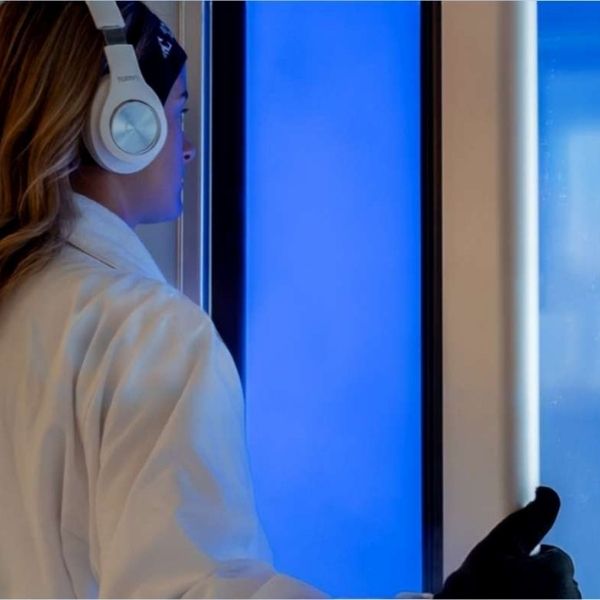
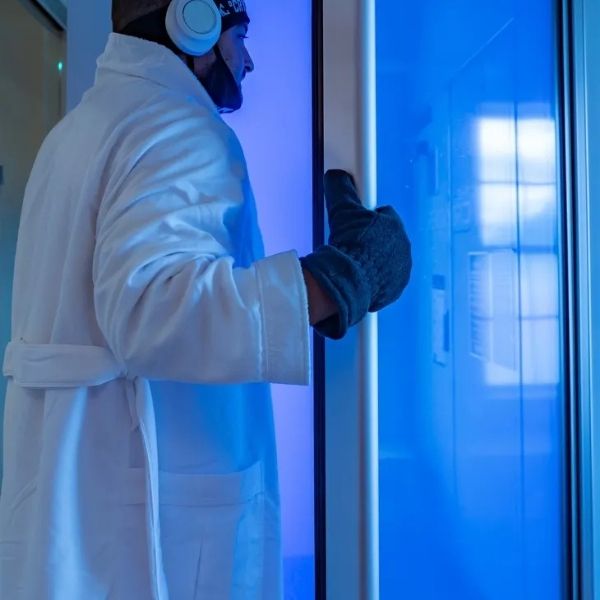
A standard session lasts up to three minutes under operator supervision. You wear socks, gloves, slippers, and protective undergarments – dry skin and removal of all jewelry are required to prevent frostbite. The cold feels intense on exposed skin, with tingling or numbness that resolves within minutes. Many people experience a rush of energy or deep relaxation in the 15–60 hours after. Move around afterward, rehydrate, and refuel with protein and carbohydrates if post-workout.
FAQs: Cryotherapy Before or After Workouts
Is it better to do cryotherapy before or after a workout?
It depends on your goal. Use it before for alertness, heat management, and pain tolerance (followed by a warm-up). Use it after when managing soreness and increasing blood flow for recovery between sessions matters more. For long-term muscle strength, lean toward post-workout with a 45–60 minute delay, or schedule on rest days.
How long should I wait after a workout before using whole body cryotherapy?
Research suggests waiting 45–60 minutes after intense exercise – especially after strength training – to allow early muscle repair signals to begin. Endurance athletes prioritizing rapid recovery can sometimes shorten this window but should cool down and rehydrate first.
Can cryotherapy reduce my muscle gains from strength training?
Cryotherapy may hinder muscle growth by disrupting protein synthesis when applied frequently and immediately after every lifting session. A practical compromise: reserve post-lift sessions for especially demanding training blocks and use rest-day sessions for routine recovery.
Is cryotherapy safe to do every day if I train frequently?
Daily use can be safe for healthy adults under professional supervision, but factors like blood pressure, cold tolerance, and overall stress load matter. Athletes doing intense workouts should work with a sports medicine or recovery professional to tailor session frequency so it supports – rather than competes with – their training goals.
Should I move around or stand still in the cryotherapy chamber?
There is no strong evidence showing a clear advantage either way during a short period of exposure. Choose whichever feels more comfortable and sustainable for the full session, and always follow the studio’s safety instructions.
Can I go straight to lifting weights after cryotherapy?
Avoid jumping directly into heavy or explosive work while muscles are still cooled. Spend at least 10–15 minutes on a dynamic warm-up- light cardio, mobility drills, progressively heavier sets – before testing heavy lifts or maximal power. This ensures your body responds properly and reduces injury risk.
Why Choose a Professional Recovery Studio for Cryotherapy
Using a dedicated wellness center for cryotherapy sessions is safer and more effective than unsupervised methods like an ice pack or DIY ice baths. At Bonfire Wellness in North Andover, staff are trained to screen for contraindications and adjust exposure time, temperature, and frequency based on your current training phase – whether that is a strength block, endurance build, tournament week, or deload. Sessions integrate with other beneficial recovery tools like compression therapy, infrared sauna, and red light therapy. The positive effects compound when cryotherapy fits into a broader longevity strategy built around sleep, nutrition, smart athletic training, and regular assessment – not a one-off cold shock.
Next Steps: How to Start Using Cryotherapy Around Your Workouts
Timing cryotherapy before or after workouts should align with whether you care more about today’s comfort or long-term speed of adaptation. Start with a four-week test: alternate pre-workout, post-workout (with a delay), and rest-day sessions. Track soreness, sleep, and performance in a simple training log. Evidence suggests that even small adjustments in scheduling can preserve muscle gains while still helping you reduce pain and manage soreness.
Schedule a consultation at Bonfire Wellness and bring details of your current workout routine. Our team will recommend specific timing around your strength training, cardio, and rest days – so cryotherapy works with your body, not against it. When used strategically, cryotherapy helps you train more consistently, recover faster, and support long-term health and athletic performance.