Table of Contents
Jump to the section that matters most to you:
- What Red Light Therapy Is
- How Red Light Therapy Works
- Skin Benefits
- Hair Loss and Body Applications
- Safety and Risks
- At-Home vs. In-Clinic Devices
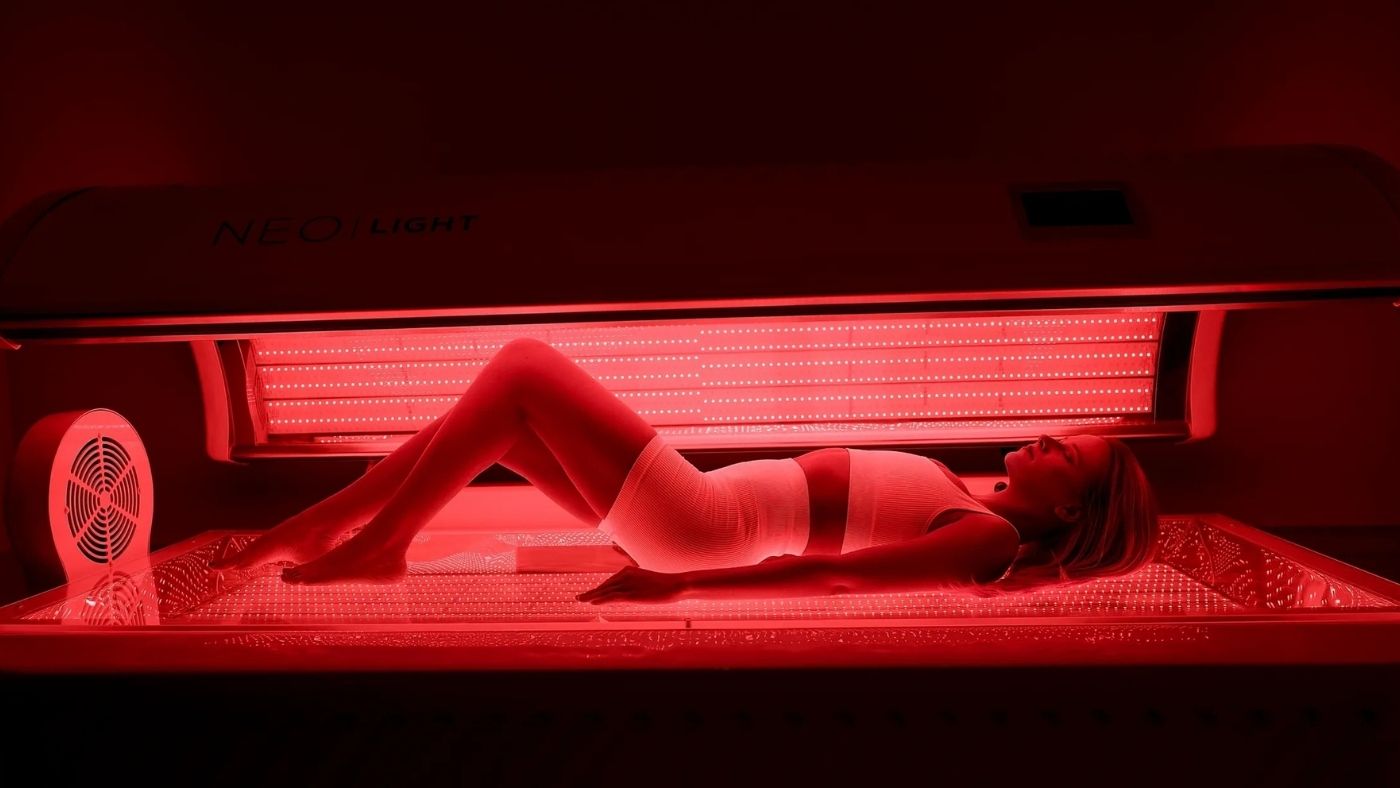
- What to Expect During a Session
- Who Should (and Shouldn’t) Try It
- FAQs
- Why Choose Bonfire Wellness
- How to Get Started
Introduction: Why Red Light Therapy Is Everywhere in Skin Care Right Now
Since around 2020, red light therapy has moved out of niche dermatology clinics and into mainstream spas, wellness centers, gyms, and living rooms. Red light therapy uses low-level wavelengths of red and near-infrared light, directed at the skin through light-emitting diodes, to influence how skin cells behave. The goal: reduce signs of aging, calm inflammation, and support the skin’s natural healing process. Red light therapy is available at a dermatologist’s office, at spas and wellness centers like ours, and through a growing range of at-home device options.
Does it work? For specific, well-studied goals, yes. Red light therapy is considered safe with minimal side effects when used properly, and the people most likely to benefit include anyone chasing smoother skin, fewer fine lines, calmer redness from rosacea or acne, or early-stage thinning hair. This article covers what red light does to human skin at the cellular level, which skin conditions it helps, realistic timelines, safety questions, and how sessions work at a wellness center in 2026.
What Is Red Light Therapy? (And How Is It Different from UV or Laser Treatments?)
Red light therapy, also called photobiomodulation or low-level light therapy, delivers low-wavelength red light (around 630 to 660 nm) and near-infrared light (around 810 to 850 nm) to the skin using light-emitting diodes. It falls within the visible light and near-infrared spectrum, and red light therapy does not increase skin cancer risk.
- Unlike UV light, red light does not darken the skin, cause tanning, or carry UV-related DNA damage risks. UV light is what drives sunburn, premature aging, and skin cancer; red light operates on a completely different part of the electromagnetic spectrum.
- Lasers can target specific structures and cause thermal damage. Red light devices are non-ablative and produce minimal heat; you feel warmth, not burning.
- Delivery methods include full-body LED panels, facial panels, LED masks, handheld wands, and targeted clinical systems. Home devices for red light therapy can be purchased online, but red light therapy devices vary in strength and effectiveness.
- In dermatology clinics, red light treatment may be combined with blue light therapy for acne or paired with topical medications. Wellness centers tend to focus on non-invasive skin rejuvenation and recovery.
- Low power laser therapy (sometimes called low-level laser therapy) is a related term you may see in research; it refers to the same way photons interact with tissue, whether from an LED or a low-power laser diode.
How Does Red Light Therapy Work at the Cellular Level?
The core mechanism is straightforward: light absorption stimulates mitochondrial activity. Red and near-infrared photons pass through the skin and are absorbed by cytochrome c oxidase, an enzyme embedded in the mitochondria of skin cells. This triggers a chain of events. Mitochondria increase adenosine triphosphate (ATP) production, giving cells more energy for repair, division, and protein synthesis. Mild reactive oxygen species (ROS) signaling activates downstream pathways, including the Nrf2 pathway, which regulates oxidative stress and inflammation.
What does this mean for your skin? Red light therapy may increase collagen production in the skin by stimulating fibroblast activity. It can reduce inflammation by dialing down pro-inflammatory cytokines like TNF-α, IL-6, and IL-8. In a keratinocyte study using 660 nm red light at about 3 J/cm², researchers measured direct reductions in those inflammatory markers. Studies show red light therapy can promote skin healing by improving microcirculation and supporting wound healing and cell growth.
Dose matters. Too little energy produces no measurable change; too much can cause temporary irritation or counterproductive effects. In 2024 to 2026 clinical reviews, researchers consistently find real biologic activity in skin cells, but results depend on wavelength, dose, and consistency of treatment. Continuous red light is more commonly used in skin rejuvenation trials than pulsed modes, though both remain under study.
Skin Benefits: What Red Light Therapy Can (and Can’t) Do for Your Skin
Red light therapy for skin health is best supported for fine lines, wrinkles, mild scarring, and some inflammatory skin conditions. It is not a “Photoshop filter in one session.” Results build over weeks to months of routine use.
Anti-aging and signs of aging:
- Red light therapy can improve skin elasticity by increasing collagen production. A randomized controlled trial on crow’s feet wrinkles using a 630 nm/850 nm LED mask over 16 weeks found that 69% of treated participants showed visible improvement, with changes appearing by week 8.
- Red light therapy may reduce wrinkles and improve skin texture when used consistently. A 12-week trial with 52 women using 660 nm LEDs daily showed measurable periocular wrinkle reduction.
- Deep wrinkles and sagging skin respond better when light therapy is combined with microneedling, peels, or injectables. Red light alone will not replace those procedures for advanced aging skin.
Acne, redness, and rosacea:
- Red light therapy may reduce acne severity by calming inflammation and reducing redness. A 2021 review found red light therapy effective for acne treatment, especially when combined with blue light therapy. Protocols of 20-minute sessions, two to three times per week over four to eight weeks, show the best outcomes.
- For rosacea and irritated skin, red light may calm flushing and visible redness. The anti-inflammatory mechanism, specifically the suppression of TNF-α and IL-6, supports this effect for sensitive or reactive skin.
Inflammatory skin conditions:
- Red light therapy may reduce inflammation in eczema, though more research is needed for standardized protocols.
- Psoriasis affects 2 to 3% of the global population; red light is being studied as an adjunctive option, but it is not a replacement for prescribed treatments.
Overall skin health:
- Red light therapy may improve skin tone and texture, support skin barrier function, and reduce the “tired” look when incorporated into a good skincare routine with sunscreen, gentle cleansing, and moisturizer.
- Red light does not replace sunscreen, cannot erase deep sun damage alone, and will not tighten sagging skin overnight. It also cannot treat dark spots caused by melasma without additional interventions.
Beyond the Face: Red Light Therapy for Other Skin and Hair Concerns
Red light therapy is used on the scalp and body, not just the face. Some of the strongest data comes from hair loss studies using randomized controlled trials with human participants.
Hair growth and hair loss:
- A 48-week trial of a helmet-type red light device (646 to 675 nm, three times per week, 20 minutes per session) showed hair density increasing from about 99 hairs/cm² to about 124 hairs/cm², a gain of roughly 25%. Shaft thickness rose about 15%. These results support red light for hair regrowth in androgenetic alopecia.
- A head-to-head study comparing low-level laser therapy at 633 nm (three times per week, 10 minutes) versus 5% topical minoxidil over six months found no statistically different outcomes between the two groups, suggesting red light can be a viable non-pharmaceutical option for thinning hair.
- Red light stimulates hair follicles and can support hair growth, but it works best for early-stage thinning rather than completely bald areas. Most protocols require three to six months of consistent use.
Body skin, stretch marks, and post-procedure recovery:
- Panels used on the chest, back, and abdomen can support healing of stretch marks and surgical scars over months of regular sessions.
- Some clinicians use red light after facials, peels, or microneedling to speed redness resolution and support skin healing. Wellness centers may combine red light sessions with infrared sauna or compression therapy for whole-body recovery.
Is Red Light Therapy Safe? Risks, Side Effects, and Who Should Be Careful
Red light therapy is generally safe with minimal side effects for healthy adults when used at appropriate doses. It does not carry the same risks as UV light. That said, overuse of red light therapy can lead to skin irritation, and high levels of red light can cause skin redness and blistering, as documented in the STARS Phase I trials where dose-limiting adverse effects appeared above 480 J/cm² in lighter skin and 320 J/cm² in darker skin tones.
Common, mild side effects include temporary redness, warmth, tightness, and mild headache in light-sensitive people. These resolve within minutes to an hour. Burns and blistering are rare and typically linked to poorly calibrated or misused devices.
- Protective goggles are recommended to prevent eye damage. Wear eye protection during every session, whether in a clinic or at home. Wear protective goggles that block the specific wavelengths your device emits.
- People with retinal diseases (macular degeneration, retinitis pigmentosa) or those using photosensitizing medications (tetracyclines, isotretinoin, certain herbal supplements) should consult their healthcare provider before starting treatment.
- Red light therapy may not be suitable for individuals with photosensitive conditions such as lupus or certain porphyrias. Anyone with a history of skin cancer or pre-cancerous lesions in the treatment area should get medical clearance first.
- Pregnant individuals should avoid full-body or high-energy sessions until more data exists; consult an OB or dermatologist.
- What makes red light therapy safe in controlled settings: calibrated, FDA-cleared devices with known wavelengths and output, timed sessions, trained staff, and a medical screening step before receiving treatment.
- Long-term safety of red light therapy devices is unknown. No robust data exists beyond about 12 months of daily home use, so avoid extreme self-experimentation with unverified devices.
- FDA cleared devices are recommended for safety and quality. The distinction matters: “FDA cleared” means the device has been reviewed for safety, not that the FDA guarantees identical results to clinical-grade systems.
At-Home Red Light Devices vs. Professional Treatments
Home red light therapy devices (masks, wands, caps) offer convenience and lower per-session cost. In-clinic systems deliver higher power, larger treatment areas, and precise dosing under trained supervision.
Professional features:
- Larger LED panels covering the face or whole body, with known irradiance levels at 630 to 660 nm and 810 to 850 nm
- Timed sessions of 10 to 20 minutes with eye protection and a pre-treatment skin assessment
- Staff who can adjust settings based on skin type, skin tone, and medical conditions
Home device pros and cons:
- Pros: convenience, ability to incorporate red light therapy into a nightly skincare routine, long-term savings for motivated users
- Cons: weaker output, longer session times needed, inconsistent use, and difficulty confirming the device matches research-grade parameters
Cost:
- Red light therapy sessions cost between $25 and $200 each at clinics and wellness centers. Home red light therapy devices typically range from $50 to $500. Insurance usually does not cover red light therapy costs. Routine use of red light therapy typically requires multiple sessions over weeks.
- FDA approval is important for home red light therapy devices; look for FDA-cleared devices rather than unverified imports.
Professional treatment makes more sense when you want medically supervised care for complex skin conditions, structured protocols, or combination treatments. Home and in-clinic light therapy work well together: in-clinic sessions to establish a baseline, home devices to maintain between visits.
What to Expect from a Red Light Therapy Session
A typical red light therapy session at a wellness center in 2026 lasts about 10 to 20 minutes in a calm, quiet room. Here is what the process looks like step by step:
- Pre-visit: You fill out an intake form covering health conditions, medications, and skin concerns. Arrive with clean skin; remove thick makeup, heavy SPF, or self-tanner from the treatment area.
- Consultation: A brief discussion of your goals, whether that is fewer fine lines, calmer redness, clearer acne, or faster post-workout recovery. Staff explain how red light therapy will fit your overall skin care plan.
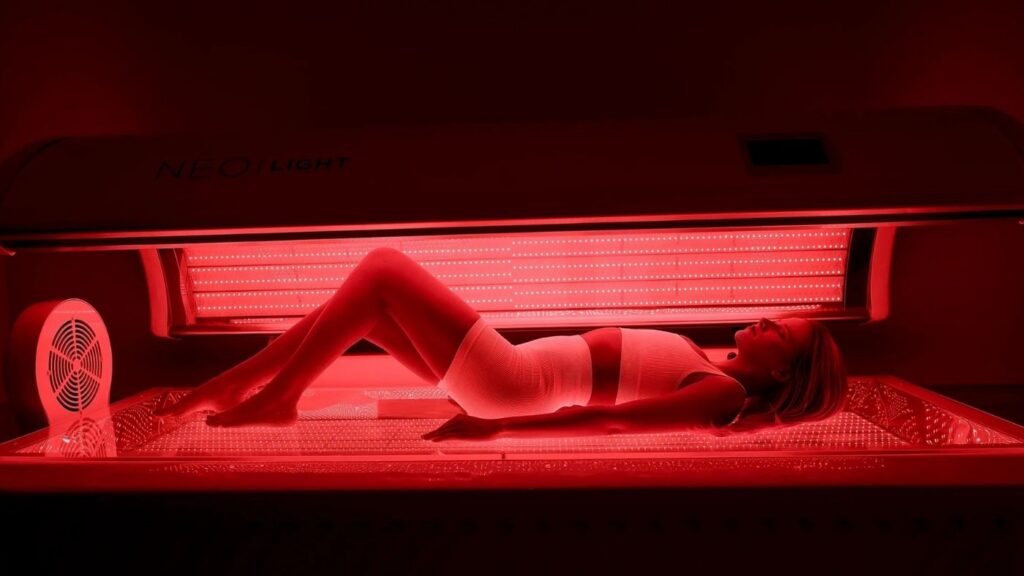
- During the session: You change into appropriate clothing. Protective goggles are provided and adjusted. The red light device is positioned at a set distance from your skin. The light feels warm but not hot. This is a non-invasive treatment; no needles, no downtime, no pain.
- After the session: Skin may appear slightly flushed but typically returns to normal within minutes. Apply gentle moisturizer and SPF. Return to normal activities immediately.
- Frequency: For cosmetic skin goals, most protocols start with two to three sessions per week for four to eight weeks, then taper to weekly or monthly maintenance visits.
Red light therapy pairs well with facials, infrared sauna, compression therapy, and anti-inflammatory lifestyle changes for longer-lasting skin results.
Who Is (and Isn’t) a Good Candidate for Red Light Therapy?
Most adults with common skin concerns, including early signs of aging, dullness, mild to moderate acne, redness, reactive skin, or post-inflammatory marks, are good candidates, especially those who prefer non-surgical options.
Good candidates:
- People seeking noninvasive support for collagen production, texture, and overall skin quality
- Individuals with busy schedules who want a quick, no-downtime add-on to their gym or skin care routine
- Those building an anti-inflammatory lifestyle (sleep, diet, sun protection) who want an extra tool for cellular health and skin rejuvenation
Proceed with caution:
- Anyone with uncontrolled medical conditions affecting skin sensitivity or light sensitivity
- People on photosensitizing medications; get clearance from your prescribing clinician before starting treatment
- Anyone with suspicious moles, rapidly changing lesions, or severe uncontrolled skin diseases should see a dermatologist first; red light therapy does not treat conditions like skin cancer
An in-person assessment helps tailor settings, session plans, and whether to combine red light with other services for better outcomes across all skin types.
FAQs About Red Light Therapy for Skin Health
These are the questions clients ask most often about how red light therapy works, safety, and what results to expect.
How long does it take to see results from red light therapy on the skin?
Some people notice a mild “glow” and softer skin within a few sessions. More measurable changes in fine lines, redness, or acne usually appear after four to eight weeks of consistent use. Collagen remodeling is slow; improvements often continue to build over three to six months. A crow’s feet study showed meaningful visible differences by week 8, with continued gains through week 16.
How often should I do red light therapy for skin health?
For cosmetic and mild skin conditions, two to three sessions per week for the first one to two months is a common starting point. After that, maintenance of one to four times per month sustains results. Exact frequency depends on device power, treatment area, and your specific goals. Follow a personalized plan rather than sporadic sessions.
Can red light therapy replace my regular skin care routine?
No. Red light therapy is an add-on, not a substitute. You still need daily sunscreen, gentle cleansing, moisturizer, and any topical treatments your dermatologist recommends. Combining light therapy with a consistent home skincare routine produces better, longer-lasting results than either alone. Think of it the same way you think about exercise: it enhances everything else but does not replace nutrition.
Is red light therapy safe for darker skin tones?
Red light targets cellular structures (specifically cytochrome c oxidase in mitochondria) rather than melanin, so it is generally considered safe across all skin types. The STARS trials found that the maximum tolerated dose is lower in darker skin (about 320 J/cm² versus 480 J/cm² in lighter skin), which means calibration matters. People prone to post-inflammatory hyperpigmentation should have a professional assessment and may start with shorter sessions.
Can I do red light therapy if I have active acne or sensitive skin?
Many people with acne and sensitive or reactive skin tolerate red light well. The effects of red light include calming redness and supporting skin healing, which can be helpful when topical medications cause dryness or irritation. Work with a practitioner to adjust session length and spacing, and coordinate with prescription treatments to avoid overwhelming the skin barrier.
Will I lose my results if I stop doing red light therapy?
Improvements in skin quality and hair density are not permanent. If sessions stop completely, collagen production and blood circulation benefits return to baseline over time. Maintenance visits, for example, once or twice a month, help sustain benefits. Pairing maintenance with healthy lifestyle habits, daily sun protection, and good skin care extends results further.
Why Choose Our Local Wellness Center for Red Light Therapy?
Bonfire Wellness specializes in science-based recovery and longevity services, not trend-driven beauty treatments. Our team understands how to use red light therapy as part of a broader approach to skin health and whole-body recovery.
- Trained staff who integrate red light with facials, infrared sauna, compression therapy, and anti-inflammatory programs for compounding results
- Calibrated, professional-grade red light devices with verified wavelengths and output, not generic or unverified panels
- We serve health-conscious adults in the Merrimack Valley and North Andover area who deal with dry winter air, indoor heating, and seasonal UV exposure; all factors that affect skin barrier, redness, and aging skin
- Each client receives a brief assessment and tailored plan covering session frequency, combination services, and home skin care guidance
- Membership and package options make ongoing red light treatment and complementary services affordable for long-term mental health, weight loss support, and skin health goals
How to Get Started with Red Light Therapy for Your Skin
You do not need to know every technical detail before starting. A consultation translates your goals into a practical plan.
- Step 1: Identify your top one to two goals. Fewer fine lines? Calmer redness? Clearer acne? Early hair loss support? Faster recovery?
- Step 2: Schedule an in-person or phone consultation with Bonfire Wellness to review medical history, current skin care, and any medications or health conditions.
- Step 3: Agree on a trial plan, typically four to eight weeks of consistent red light sessions, possibly bundled with facials, infrared sauna, or compression based on your needs.
- Step 4: Track changes with simple photos under similar lighting every three to four weeks to see subtle improvements in skin tone, texture, and redness.
If you are in the North Andover or Merrimack Valley area, book a consultation or your first red light therapy session online or by phone. Evening and weekend appointments fill quickly, so plan ahead. Red light therapy is a safe, low-stress way to invest in long-term skin health and recovery, especially when paired with professional guidance and anti-inflammatory habits that support your results from the inside out.