Table of Contents
- Introduction: Can Red Light Therapy Really Smooth Wrinkles?
- How Red Light Therapy Works on Aging Skin
- Benefits for Fine Lines, Wrinkles, and Overall Skin Quality
- Red Light Therapy Safety: What We Know So Far
- Red vs Blue Light: Which Do You Need for Wrinkles?
- At-Home Red Light Devices vs Professional Treatments
- What to Expect From a Red Light Therapy Session
- Who Should Avoid or Be Cautious With Light Therapy
- How to Choose a Safe and Effective Red Light Device
- FAQs
- Why Choose a Professional Wellness Center
- How to Get Started
Introduction: Can Red Light Therapy Really Smooth Wrinkles?
Red light therapy uses low-wavelength light, typically between 630 nm and 850 nm, to penetrate human skin without UV exposure, heat damage, or downtime. NASA discovered red light therapy’s skin benefits in the 1980s during plant growth experiments, and since then the technology has moved from research labs into dermatology clinics, wellness centers, and living rooms. In the mid-2020s, it has become one of the most talked-about treatment options for people looking to reduce wrinkles without needles or surgery.
So does red light therapy work for wrinkles? Randomized controlled trials show small but consistent improvements. In one sham-controlled study of 60 participants using a mask combining 630 nm red and 850 nm near-infrared light, roughly 86% showed measurable improvement in crow’s feet after 12 weeks versus only 17% in the control group. These are not dramatic overnight transformations. Results from red light therapy are gradual rather than instant, and red light therapy is not a quick fix for skin issues. But for fine lines, dullness, and early signs of aging, the evidence is encouraging.
This guide is for anyone considering professional sessions or at-home devices to address fine lines, dark spots, and skin aging. We cover how red light therapy works, what it can and cannot do, safety across skin tones, including darker skin tones, device selection, and what realistic wrinkle reduction actually looks like.
How Red Light Therapy Works on Aging Skin
Red light therapy is a form of photobiomodulation, sometimes also called low-level laser therapy or low-power laser therapy when lasers are used instead of light-emitting diodes. Specific light wavelengths in the visible red light range (around 630–670 nm) and the near-infrared light range (800–850+ nm) pass through the epidermis and penetrate the dermis to stimulate cellular mitochondria. Inside those mitochondria, a protein called cytochrome c oxidase absorbs the photons, which boosts ATP production, giving skin cells more energy for repair and renewal.
This cascade reduces oxidative stress, calms inflammation, and signals fibroblasts to ramp up collagen production and elastin production. Red light therapy also improves circulation by increasing local blood flow to the treated area, which helps deliver nutrients and carry away waste products from aging skin cells. Therapeutic doses of red light are usually between 625 to 670 nanometers for the red band, while near-infrared light reaches deeper layers of the dermis and subcutaneous tissue.
Institutions like the Cleveland Clinic have discussed how clinical trials demonstrate measurable reductions in fine lines and improved skin elasticity from repeated sessions. However, dose matters: irradiance (measured in mW/cm²), distance from the device, and treatment time all influence outcomes. A 10-minute session at the right intensity can outperform a 30-minute session with a weak device. More red light is not always better-excessive exposure can cause irritation or even trigger hyperpigmentation in sensitive skin.
Benefits for Fine Lines, Wrinkles, and Overall Skin Quality
Collagen and elastin break down naturally with age, accelerated by sun damage, environmental stress, and lifestyle factors. Red light therapy targets this process at the cellular level. Here is what the evidence supports:
- Fine lines around the eyes and mouth: Two randomized controlled trials using red and near-infrared LED combinations showed wrinkle reduction improvements of 26–36% over 4–16 weeks. Studies show red light therapy boosts collagen production, which directly firms and plumps the skin’s appearance in areas prone to crinkle lines.
- Skin texture and smoothness: Red light therapy improves skin texture and reduces fine lines by supporting skin rejuvenation at the cellular level. Many participants in clinical trials report improved “glow” and less roughness within the first month.
- Modest firming: Red light therapy can tighten skin and reduce dark spots over time. A neck wrinkle trial found 77% of participants using a home LED device showed significant improvement at 12 weeks versus under 9% in the control group.
- Dark spots and uneven tone: Red light therapy has anti-inflammatory properties that calm redness and support skin health, which can modestly improve post-inflammatory marks and sun spots through healthier cell turnover.
- Synergy with other skin care: Combining light therapy with daily sunscreen, retinoids, or gentle exfoliation amplifies wrinkle-reducing effects. LED therapy works best as part of a comprehensive skin health strategy, not as a standalone miracle.
That said, deeper wrinkles like heavy nasolabial folds or sagging skin from volume loss respond less to light alone. Red light therapy may improve skin texture and elasticity, but it works best on mild to moderate signs of aging.
Red Light Therapy Safety: What We Know So Far
Red light therapy is generally safe when used as directed. Unlike a tanning bed or tanning booth that exposes you to ultraviolet rays and increases skin cancer risk, red light therapy is non-invasive and does not significantly heat or damage the skin. It emits no UV, causes no DNA damage, and requires no wound healing afterward.
Key safety points:
- Common side effects include redness or swelling of the skin, mild warmth, and temporary tightness. These are typically short-lived and resolve without intervention.
- No downtime. Red light therapy has no downtime and can be used on all skin tones, though people with darker skin tones who are prone to hyperpigmentation should start with lower doses and shorter sessions.
- Eye protection is essential. You should wear protective goggles during treatment, and you should also wear eye protection any time bright LEDs are placed close to the face. Closing your eyes alone is not sufficient. Misuse of red light therapy can damage skin or eyes.
- Melasma and pigment concerns. Red light therapy is considered red light therapy safe for most people, but overdosing sensitive or melasma-prone skin can worsen dark patches. Start conservatively and monitor.
- Long-term data. The long-term safety of red light therapy devices is unknown. Many studies on red light therapy are small and preliminary, with most clinical trials tracking outcomes for only 12–16 weeks. Follow manufacturer and clinician guidelines on frequency and exposure.
Red vs Blue Light: Which Do You Need for Wrinkles?
Many LED devices advertise both red light and blue light modes, which creates confusion for anyone shopping specifically for anti-aging benefits.
Blue light, typically around 415 nm, targets acne-causing bacteria in the upper layers of the epidermis. It is useful for breakouts and cystic acne but does not penetrate deeply enough to stimulate collagen or reduce wrinkles. Overuse of blue light can increase dryness or irritation, particularly in people with sensitive skin or an existing skin condition.
Red and near-infrared light are better suited to collagen stimulation, reduced inflammation, and deeper tissue repair. If your primary goal is to reduce wrinkles and improve skin elasticity, prioritize devices or treatments that emphasize red and near-infrared output. Dual red/blue devices work for people managing both acne and aging concerns, but the red light component should be robust, not an afterthought.
At-Home Red Light Devices vs Professional Treatments
There are two main paths to use red light therapy for wrinkles: booking sessions at a wellness center or buying a home red light device.
Professional treatments:
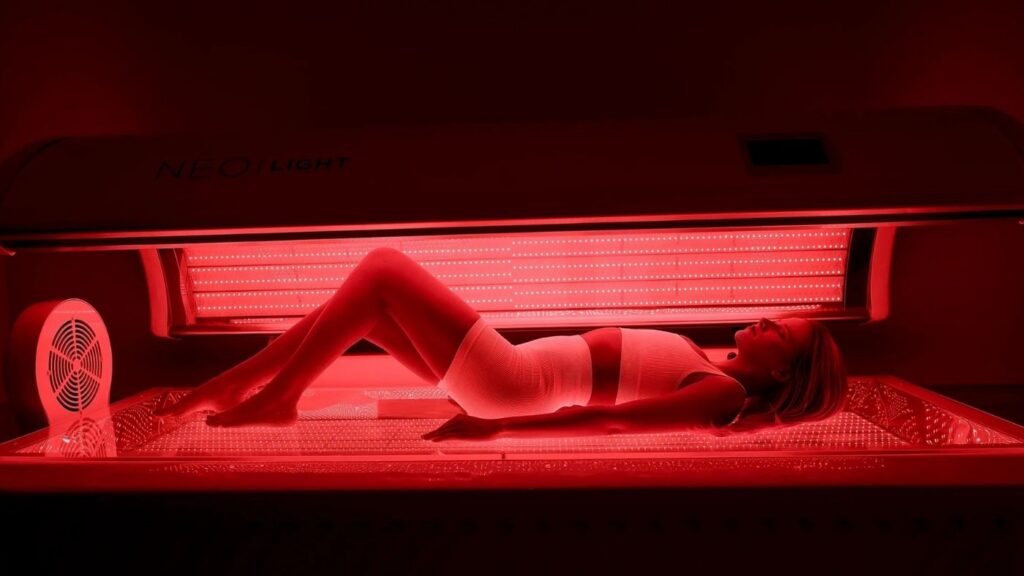
- Use higher-powered, calibrated red light devices with consistent irradiance and full-face coverage. In-office red light therapy costs around $50 to $150 per session.
- Sessions typically last 10–20 minutes, scheduled 2–3 times per week for several weeks, supervised by trained staff who can adjust protocol based on your skin tone and response.
- Can be combined with complementary treatments such as facials, infrared sauna, compression therapy, or cryotherapy for broader skin and recovery benefits.
At-home devices:
- Common formats include flexible masks, rigid masks, handheld devices, and a red light therapy panel with LED arrays. At-home red light therapy masks range from $50 to $500.
- At-home devices typically emit lower-intensity light than professional ones, and at-home devices may be less powerful than professional treatments overall.
- Require strict consistency: several sessions per week for months to build cumulative results. A clinical trial of one home LED mask used sessions three times weekly for 16 weeks to achieve significant improvement in crow’s feet.
How to decide: Professional treatments deliver measurable results faster and include guidance on dose and skin type. Home devices offer convenience and lower long-term cost but demand self-discipline. Many people alternate between professional series for initial results and home maintenance to sustain gains. Health insurance typically does not cover red light therapy costs regardless of setting, so factor budget into your decision.
What to Expect From a Red Light Therapy Session
Here is what a typical face-focused session looks like at a wellness center:
- Pre-session: Cleanse your skin and remove all makeup and sunscreen. Some providers pair this with a gentle exfoliating cleanse or hydrating facial preparation.
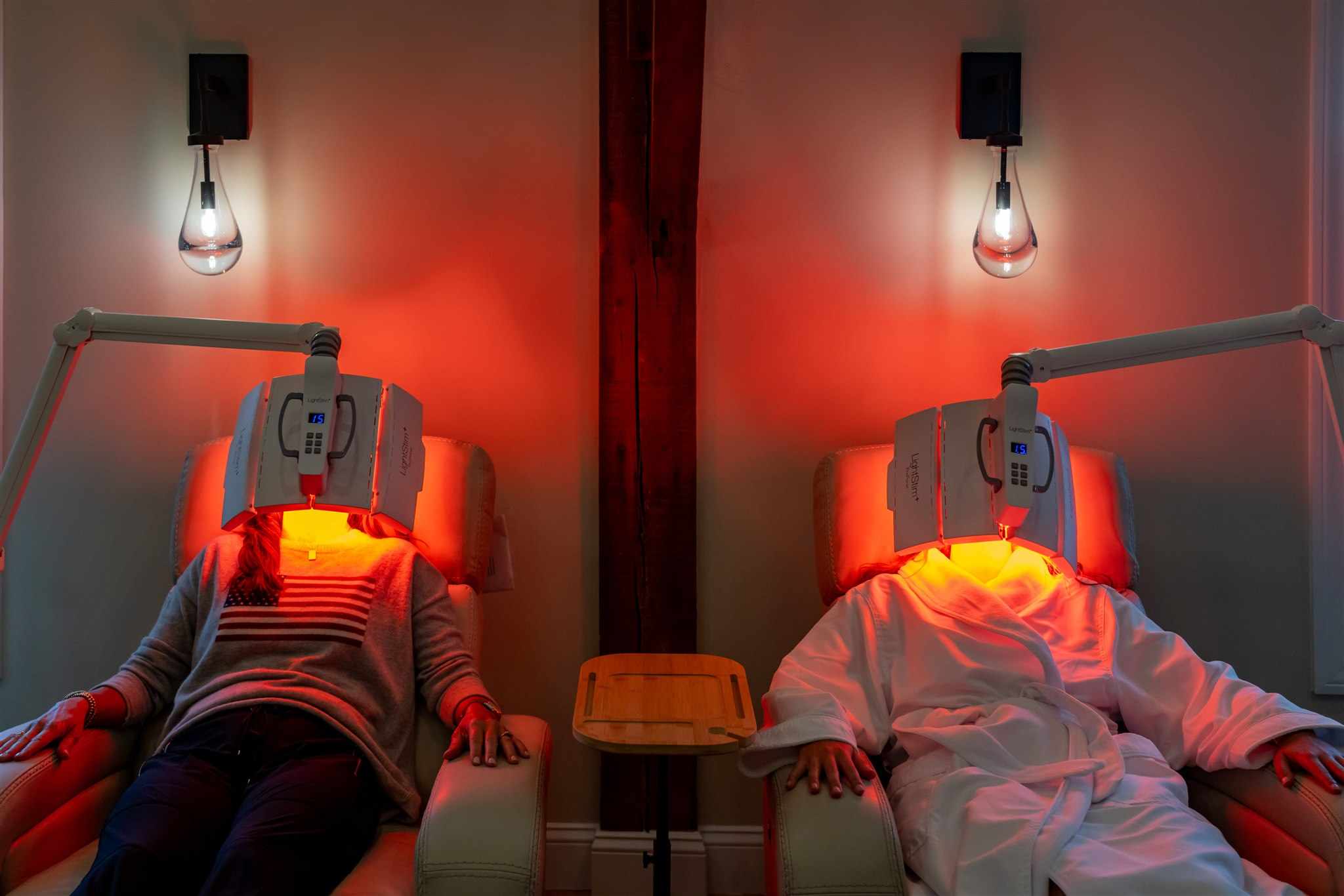
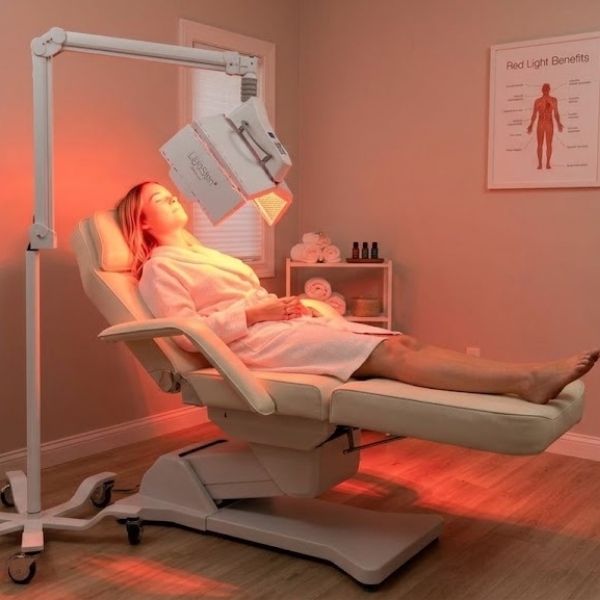
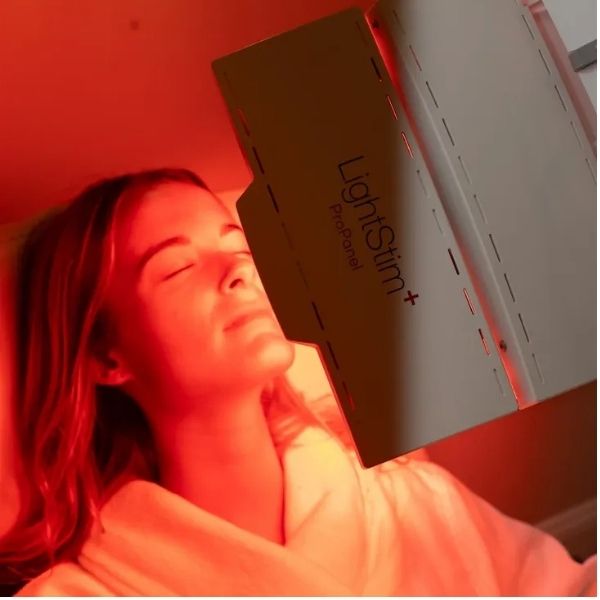
- During the session: You lie or sit comfortably with protective goggles on. A red light device, panel, or mask is positioned close to your face. You feel mild warmth but no pain or burning. Sessions typically last 10–20 minutes.
- Recommended series: Most protocols start with 2–3 sessions per week for 4–8 weeks. Red light therapy treatments are gradual and cumulative, so consistency matters more than intensity.
- Post-session: There is no downtime. Apply moisturizer and sunscreen before heading outside. If your skin feels sensitive, avoid harsh actives like strong acids or new retinoids for the rest of the day.
Timeline for visible changes: Small improvements in glow, hydration, and the skin’s ability to reflect light evenly often appear within 2–4 weeks. Softer fine lines, more even skin tone, and smoother skin texture usually become apparent after 6–12 weeks of regular LED light therapy. Once you reach your initial goals, maintenance sessions of once or twice per week help sustain collagen support, similar to how regular exercise maintains muscle tone.
Who Should Avoid or Be Cautious With Light Therapy
While red light therapy is safe for many, not everyone should jump in without medical guidance. Consider skipping or getting clearance first if you have:
- A history of lupus, porphyria, or other photosensitive disorders that can flare with light exposure.
- Current use of photosensitizing medications, including certain antibiotics, acne medications, some antidepressants, or diuretics.
- Pregnancy, since data is limited. Defer to your obstetric provider or dermatologist before receiving treatment.
- Active skin cancer in the treatment area, or recent aggressive laser resurfacing or deep chemical peels without medical clearance.
- A tendency toward melasma or persistent dark patches, especially in darker skin tones. Start with shorter sessions, lower energy, and monitor closely for any increased darkening.
People exploring red light therapy for other health conditions like treating rheumatoid arthritis, rheumatoid arthritis pain management, or using light to relieve pain should also consult a physician, as protocols differ from cosmetic skin use. Similarly, while some people explore red light therapy for hair growth and hair loss by stimulating hair follicles, or even weight loss, these applications require separate evaluation and more research.
How to Choose a Safe and Effective Red Light Device
Device quality determines outcomes more than marketing claims. Here is what to evaluate:
Technical specs:
- Wavelength transparency: the device should clearly list output wavelengths in therapeutic ranges, around 630–670 nm for red and 800–880+ nm for near-infrared. Therapeutic light wavelengths are usually between 625 to 670 nanometers for the red band.
- Adequate irradiance at a realistic treatment distance, roughly 20–100 mW/cm². Avoid unverified “high power” claims with no published data.
- Even coverage across the treatment area. A red light therapy device with sparse LED spacing requires constant repositioning and delivers inconsistent results.
Safety and credibility:
- FDA-cleared devices are recommended for safety in red light therapy. Look for an FDA-cleared device or equivalent regulatory registration. However, FDA clearance indicates safety but does not guarantee the effectiveness of red light therapy devices, so Class I and II clearance means low risk, not proven wrinkle elimination.
- Prefer devices backed by clinical trials or third-party testing supporting wrinkle reduction or improved skin elasticity, not just influencer testimonials.
- Reliable safety features: automatic shutoff timers, clear usage instructions, and included eye protection.
Avoid bargain devices with no published specs, no regulatory information, and vague wavelength claims. An underpowered or poorly designed device wastes time and money, and in rare cases could deliver unsafe output.
Frequently Asked Questions About Red Light Therapy for Wrinkles
These FAQs cover the most common questions from people considering red light therapy for skin aging and wrinkle reduction.
How long does it take to see fewer wrinkles with red light therapy?
Small changes in glow and smoothness can appear within 2–4 weeks. In clinical trials, measurable reduction in fine lines and skin roughness typically shows at 8–12 weeks of consistent treatment, usually after 10–16 sessions. Consistent use of red light therapy is essential for better results. Maintenance sessions are needed to sustain collagen support, much like ongoing gym workouts maintain muscle tone.
Is red light therapy safe for darker skin tones?
Red light therapy is generally considered safe for all Fitzpatrick skin types because it does not use ultraviolet rays. A randomized controlled trial in Asian skin (Fitzpatrick II–V) demonstrated high efficacy with no serious adverse events. However, individuals prone to melasma or dark patches should start with shorter sessions at lower energy and monitor for any darkening, adjusting the protocol with professional guidance.
Can red light therapy replace Botox, fillers, or lasers?
No. Red light therapy is best for early fine lines, skin texture improvement, and subtle firming. It does not address deep static wrinkles, loose skin from significant volume loss, or sagging skin that requires surgical or injectable intervention. It can complement those procedures by supporting wound healing, skin rejuvenation, and collagen production between more intensive treatments.
How often should I use a red light device on my face?
For most cosmetic red light therapy devices, about 3–5 times per week for 10–20 minutes per session during the first 8–12 weeks, then 1–2 times per week for maintenance. Do not exceed the recommended dose; overuse can cause irritation or diminishing returns. A systematic review of LED therapy protocols confirms that moderate frequency outperforms daily overdosing.
Does red light therapy help with dark spots as well as wrinkles?
By reducing inflammation and supporting healthier skin cell turnover, red light therapy can modestly help fade dark spots from sun damage or acne scarring. However, melasma is unpredictable. Some people see improvement while others may worsen with aggressive protocols. Professional evaluation is important for any persistent skin condition involving pigmentation.
Is red light therapy safe to use around the eyes?
Many clinical trials treat crow’s feet and under-eye fine lines with red light, but participants wear protective goggles and avoid direct staring into LEDs. Follow your device’s instructions, keep eyes closed under a mask or panel, and wear eye protection if brightness is uncomfortable or recommended by the manufacturer.
Why Choose a Professional Wellness Center for Red Light Therapy
Working with an in-person wellness practice improves both safety and outcomes compared with unguided at-home use:
- Medical-grade equipment. Access to calibrated red light therapy panels with consistent output and full-face coverage, often paired with complementary services like facials, infrared sauna, cryotherapy, or compression therapy that support cellular health and recovery.
- Personalized assessment. Professional evaluation of your skin tone, wrinkle depth, sensitivity history, and any pigment tendencies before your first session. This matters especially for darker skin tones or anyone with a history of melasma.
- Custom protocols. Treatment plans tailored to your anti-aging and longevity goals, including frequency, duration, and combination with other services or anti-inflammatory lifestyle coaching.
- Progress tracking. Ongoing monitoring with before-and-after documentation and protocol adjustments if you experience unexpected redness, dark spots, or a plateau in results.
At Bonfire Wellness, we focus on science-based protocols with transparent discussions about what red light therapy can realistically do for your skin’s appearance-no miracle claims, just consistent, evidence-informed care.
How to Get Started With Red Light Therapy for Wrinkles
Red light therapy is ideal for people noticing early fine lines, dullness, or uneven skin tone who want a non-invasive, low-downtime option to support skin health long-term. Here is how to take the next step:
- Keep using daily sunscreen and a basic, non-irritating skincare routine. Red light therapy enhances these fundamentals but does not replace them.
- Schedule an in-person consultation with a qualified wellness center to evaluate your skin, medical history, and expectations before starting treatments.
- If considering a home red light therapy device, compare wavelengths, safety features, and any available clinical trial data. Ask a professional for guidance on selecting a device and creating a safe protocol.
Ready to find out if red light therapy is the right fit for your wrinkles and long-term skin goals? Book a consultation at Bonfire Wellness in North Andover to get a personalized assessment, try a professional-grade session, and build a treatment plan designed around your skin-not a one-size-fits-all marketing promise.