Table of Contents
- Red Light Therapy for Collagen: Quick Answer and Key Takeaways
- What Is Red Light Therapy and How Does It Affect Skin?
- The Science: How Red Light Therapy Boosts Collagen Production
- Red and Infrared Light: Wavelengths That Matter for Collagen
- Red Light Therapy Benefits for Collagen, Fine Lines, and Skin Tone
- How Red Light Therapy Compares to Other Treatments for Skin Aging
- Is Red Light Therapy Safe? What to Know Before You Start
- Professional Red Light Therapy vs. At-Home Devices
- What a Typical Red Light Therapy Plan for Collagen Looks Like
- Who Is (and Isn’t) a Good Candidate for Red Light Therapy for Collagen
- Maximizing Collagen Results: Combining Red Light with Other Treatments
- Frequently Asked Questions About Red Light Therapy for Collagen
- Why Choose a Local Wellness Center for Red Light Therapy
- Next Steps: How to Get Started with Red Light Therapy for Collagen
Red Light Therapy for Collagen: Quick Answer and Key Takeaways
Red light therapy is a non-invasive treatment that uses specific wavelengths of visible light and near-infrared light to stimulate cellular activity deep in the skin. When those photons reach dermal fibroblasts, the cells responsible for building your skin’s structural proteins, the result is measurable: red light therapy boosts collagen production by activating fibroblasts, and clinical studies show increased collagen markers after consistent treatment courses.
So does it actually help with fine lines, skin texture, and a more even skin tone? Based on controlled trials published between 2014 and 2024, yes. A 2014 controlled trial with 136 volunteers demonstrated an increase in intradermal collagen density after 30 sessions, and a split-face LED study using 660 nm light showed roughly a 31% rise in type I procollagen alongside reduced wrinkle depth. Results are gradual, not overnight, but the data is real.
Here are the core red light therapy benefits for skin health:
- Improved collagen production and increased dermal thickness
- Smoother fine lines and softer crow’s feet
- Better elasticity and firmness scores
- Brighter, more even skin tone with reduced redness
- Supports skin rejuvenation when combined with complementary treatments like facials or gentle peels
Red light therapy is generally safe, with minimal side effects reported in studies. The rest of this article breaks down the science, safety considerations, realistic timelines, who benefits most, and how professional in-center sessions differ from using a home red light device.
What Is Red Light Therapy and How Does It Affect Skin?
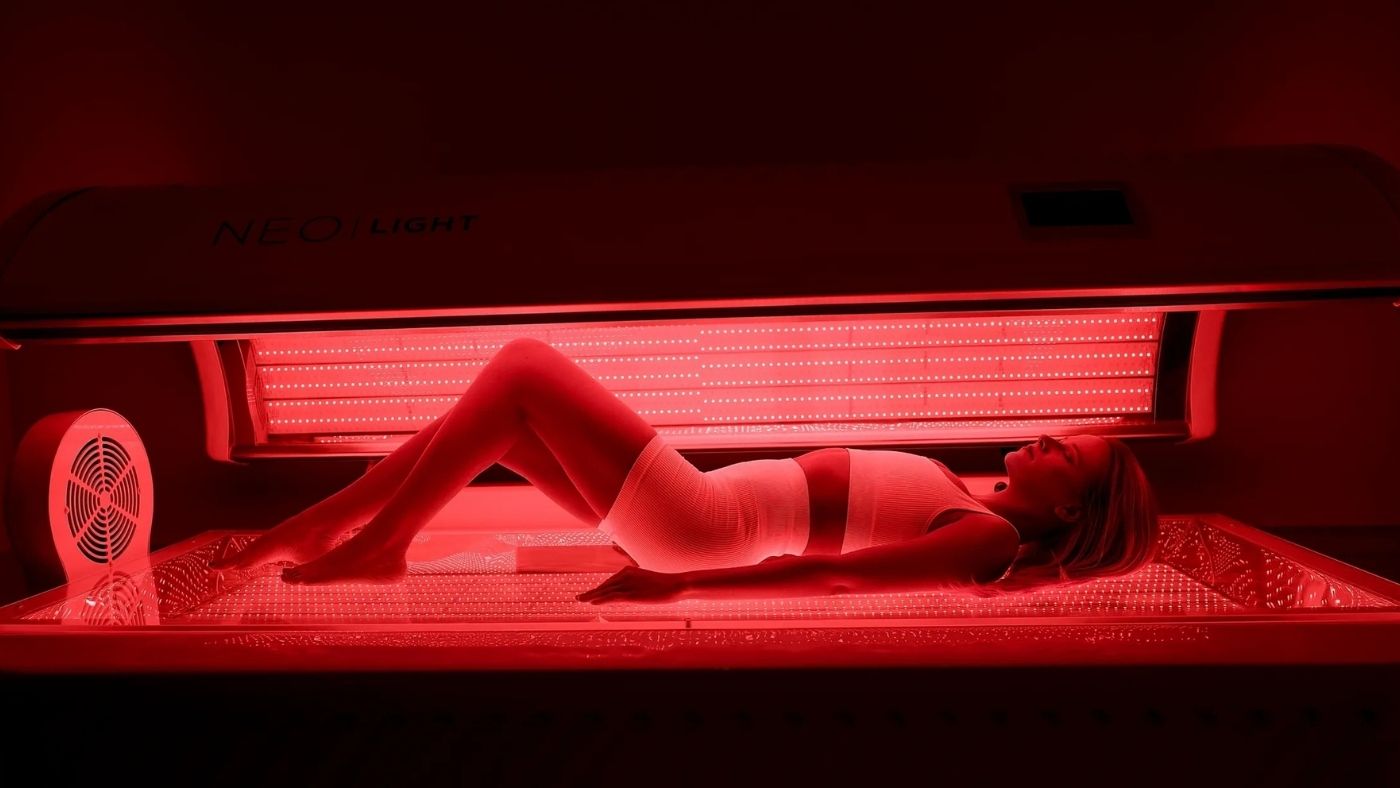
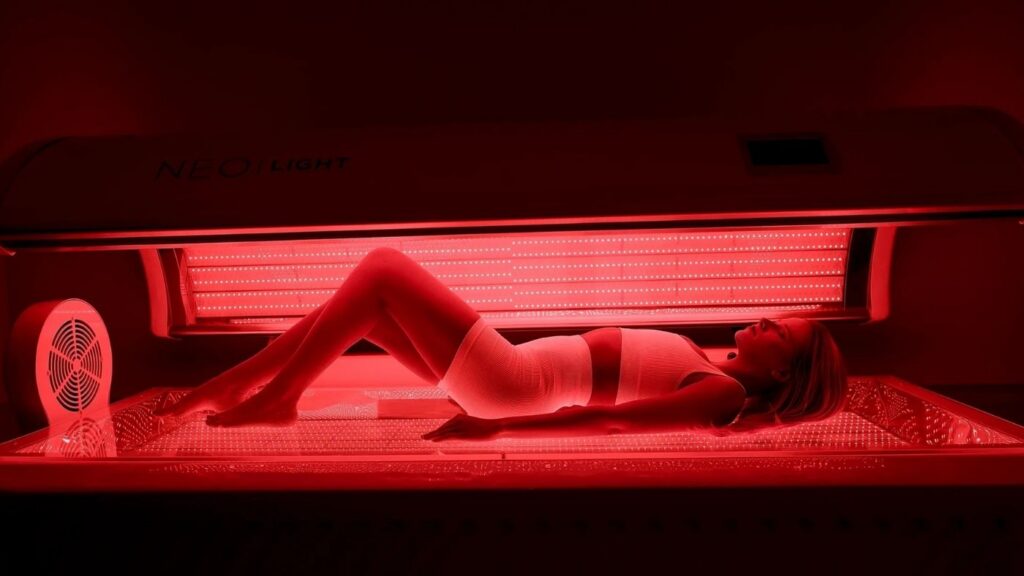
Red light therapy delivers targeted wavelengths of red and near-infrared light to human skin using light-emitting diodes or, in some cases, low-level laser therapy systems. Unlike lasers that cut or ablate tissue, these devices produce non-thermal visible light that passes into the skin without breaking the surface. The treatment falls under a broader category called light therapy, and you may hear it referred to as low-level light therapy, photobiomodulation, or LED light therapy-all describing the same core technology.
Red light devices for skin typically emit wavelengths around 630–660 nm in the red light range and 800–880 nm in the infrared light spectrum. These wavelengths are chosen because they penetrate skin cells at depths relevant to collagen and elastin production, reaching the dermis where structural remodeling happens.
Treatments take place in wellness centers, medical spas, a dermatologist’s office, or at home with consumer-grade panels and masks. People most often seek red light therapy for:
- Fine lines, mild wrinkles, and early signs of skin aging
- Dullness, uneven tone, or mild redness and blotchiness
- Supporting recovery after other treatments like chemical peels or microneedling
- Addressing specific skin concerns like texture irregularities or dark spots
The Science: How Red Light Therapy Boosts Collagen Production
Collagen is the protein scaffolding that keeps skin firm, resilient, and smooth. Starting in your mid-20s, your body produces less of it each year, and environmental stressors like UV exposure accelerate that decline. Red light therapy works at the cellular level to push back against this process.
When red light photons reach the mitochondria inside skin cells, they are absorbed by chromophores-most notably cytochrome c oxidase-triggering a cascade that increases ATP production. This boost in cellular energy production is what drives the treatment’s effects. Red light therapy enhances collagen synthesis through ATP-dependent signaling, essentially giving fibroblasts the fuel they need to manufacture new collagen types I and III, along with elastin.
Studies between 2013 and 2024 have confirmed these mechanisms translate to measurable outcomes. In one split-face trial, 660 nm pulsed LED treatments produced a roughly 31% increase in type-I procollagen while simultaneously decreasing MMP-1, the enzyme responsible for breaking collagen down. Participants showed reduced wrinkle depth and surface roughness after just 12 sessions.
Beyond fibroblast activation, red light therapy stimulates the body’s natural healing processes through two supporting mechanisms:
- Enhanced blood flow from red light therapy increases oxygen and nutrient supply to the treatment area, creating a better environment for connective tissue repair and collagen remodeling
- Reducing inflammation (lowered IL-6, IL-1β) protects existing collagen from degradation and supports the extracellular matrix
Red and Infrared Light: Wavelengths That Matter for Collagen
Wavelength matters more than brightness when it comes to stimulating collagen production. Two photon ranges have the strongest evidence, and they do slightly different jobs.
The therapeutic window for skin:
| Wavelength Range | Type | Primary Target |
|---|---|---|
| 630–660 nm | Red light | Epidermis and upper dermis-tone, redness, fine lines |
| 800–880 nm | Near-infrared light | Lower dermis-fibroblasts, circulation, tissue repair |
Wavelengths around 630–660 nm are effective for collagen production at shallower depths, improving skin tone, calming mild redness, and addressing surface-level fine lines. Near-infrared wavelengths penetrate deeper, reaching fibroblasts and blood vessels in the lower dermis where the structural remodeling that firms skin actually occurs. Red light therapy devices use wavelengths around 630–880 nm to cover both zones.
Studies comparing red and near-infrared light have found that both contribute meaningfully. A randomized controlled trial using a mask combining 630 nm red and 850 nm near-infrared light at approximately 10 mW/cm² showed statistically significant improvement in crow’s feet after 8–16 weeks. Medical-grade panels control irradiance and treatment time carefully to stay within evidence-based dose ranges, because exceeding optimal fluence can actually diminish results rather than improve them.
Near infrared light treatment is not the same as blue light or ultraviolet exposure. Blue light targets bacteria (useful for acne) but does not drive collagen synthesis the way red and near infrared wavelengths do. And unlike UV, none of these wavelengths cause the DNA damage associated with skin cancer.
Red Light Therapy Benefits for Collagen, Fine Lines, and Skin Tone
When collagen production ramps up, and existing collagen is better protected from enzymatic breakdown, the visible payoff includes fewer fine lines, smoother skin texture, and a more even skin tone. Red light therapy enhances collagen production in the skin gradually, and that’s actually a strength- it looks natural rather than abrupt.
Here are specific red light therapy benefits backed by clinical trials and randomized controlled trials:
- Wrinkle reduction: Red light therapy can reduce wrinkle depth by stimulating collagen remodeling. A home-device trial showed crow’s feet improvement rates of 69% or higher in the treatment group versus roughly 49% in sham controls. Clinical studies show reduced wrinkle severity across multiple trial designs.
- Firmness and elasticity: A 12-week device study measured firmness gains of 21.7% and elasticity improvements of 22%, with dermal thickness increasing significantly.
- Hydration: The same trial recorded a 33.7% improvement in skin hydration, contributing to that “healthy glow” people notice.
- Tone and brightness: Improvements in skin tone can be seen within weeks of treatment. Melanin decreased by 22% and erythema by 17%, meaning fewer dark spots and less blotchiness.
Regular sessions of red light therapy may soften the appearance of fine lines around the eyes, forehead, and mouth while maintaining a natural look. Patients report smoother skin texture after consistent red light therapy, and patient satisfaction rates in recent trials have exceeded 90%.
Beyond cosmetic results, red light therapy is effective for reducing pain and inflammation, helps promote skin rejuvenation and improve athletic performance, and supports wound healing and tissue repair-useful context for anyone using it as part of a broader recovery or longevity routine. Red light therapy can also reduce acne and inflammation, though that deserves its own conversation.
How Red Light Therapy Compares to Other Treatments for Skin Aging
People weighing their options for skin aging usually consider lasers, chemical peels, microneedling, and injectables alongside red light therapy. The differences come down to mechanism, downtime, and intensity of results.
Red light therapy is non-invasive and non-ablative. Unlike lasers that intentionally remove or damage layers of skin to trigger aggressive repair, red light works with the skin’s existing biology without creating a wound. That means no peeling phase, no social downtime, and no strict sun-avoidance recovery windows.
| Factor | Red Light Therapy | Ablative Lasers / Peels | Injectables (Botox, Fillers) |
|---|---|---|---|
| Mechanism | Stimulates collagen naturally | Controlled injury triggers repair | Blocks nerve signals or adds volume |
| Downtime | None to minimal | Days to weeks | Minimal, but bruising possible |
| Results timeline | Gradual over 6–12 weeks | Faster, more dramatic | Immediate to days |
| Maintenance | Ongoing sessions | Periodic retreatment | Every 3–6 months |
| Risk profile | Very low | Moderate (pigment changes, scarring) | Low-moderate (migration, asymmetry) |
Red light therapy supports the skin’s natural repair systems and can be used between or after other treatments to maintain collagen gains and support healing. However, it is not a full replacement for structural treatments when there is significant laxity or deep volume loss. Think of it as an early-intervention and maintenance tool-one that extends the life of more aggressive procedures and can delay the point where you need them.
Is Red Light Therapy Safe? What to Know Before You Start
Red light therapy is generally safe for most skin types when used within established protocols. Importantly, it does not use cancer-causing ultraviolet light. Systematic reviews have found no evidence that photobiomodulation within the red and near-infrared spectrum causes DNA damage or increases oncologic risk.
Red light therapy devices are FDA cleared for specific indications, and many professional systems carry 510(k) clearance. However, “FDA cleared” means the device has been found substantially equivalent to existing devices for safety and performance-it is not a blanket guarantee that every user will see identical results.
Typical short-term effects are mild:
- Temporary skin redness may occur after red light therapy sessions, usually resolving within an hour
- Mild warmth or gentle tingling in the treatment area
- Brief skin sensitivity that subsides quickly
Serious adverse events from red light therapy are rare when protocols are followed. Across multiple controlled trials, no severe adverse events have been reported at standard therapeutic doses. That said, the long-term safety of red light therapy devices is not yet fully known, since most studies follow participants for 12–16 weeks rather than years.
You should consult a provider before receiving treatment if you:
- Take photosensitizing medications (certain antibiotics, isotretinoin, some blood pressure drugs)
- Have a photosensitive skin condition like lupus
- Are pregnant (insufficient safety data)
- Have a history of skin cancer or other medical conditions requiring clearance
- Experience migraines or have health conditions triggered by light exposure
Always wear eye protection when using higher-intensity panels-never stare directly into LED light sources.
Professional Red Light Therapy vs. At-Home Devices
Since around 2020, at-home devices like LED masks, wands, and small panels have surged in popularity. They offer convenience and can be cost-effective over time, but the gap between professional and consumer devices is real.
Key differences:
- Power output: Professional systems deliver higher irradiance, reaching therapeutic doses in shorter sessions. At-home red light therapy devices may be less powerful than professional ones, meaning you need longer or more frequent sessions.
- Treatment area: Clinic panels cover the full face or body uniformly. Home masks and wands treat smaller zones, sometimes unevenly.
- Dose control: Professional red light therapy devices provide greater control over dosage, adjusting wavelength combinations, distance, and timing to your skin type and goals.
- Integration: In a wellness center, red light therapy typically pairs with facials, serums, or other treatments in the same visit.
Home red light therapy devices often use LEDs or low-level lasers and can provide meaningful collagen support if they deliver appropriate wavelengths and are used consistently over months. A 16-week home mask trial using 630 nm + 850 nm light showed significant crow’s feet improvement-but adherence was strict.
If you are evaluating any red light device for home use, look for clear wavelength specifications, third-party safety testing, and detailed usage instructions. Use home devices as a complement to, not a replacement for, professionally guided protocols when you want maximum collagen results.
What a Typical Red Light Therapy Plan for Collagen Looks Like
Collagen responds gradually to stimulation, so treatment plans are built in two phases: an initial building phase and ongoing maintenance. Cumulative benefits build with consistent treatment rather than from any single session.
Building phase: The initial frequency is 2–4 times per week for roughly 4–8 weeks. This is where the groundwork for collagen remodeling happens. Red light therapy typically requires this kind of consistency to shift gene expression and fibroblast activity enough to produce visible changes.
Maintenance phase: After the building phase, most people taper to 1–2 consistent sessions per week. Optimal results require multiple sessions over 4–6 months, and some level of ongoing treatment helps preserve gains against natural skin aging and environmental exposure.
What a single session looks like:
- Skin is cleansed to remove makeup, sunscreen, and oils
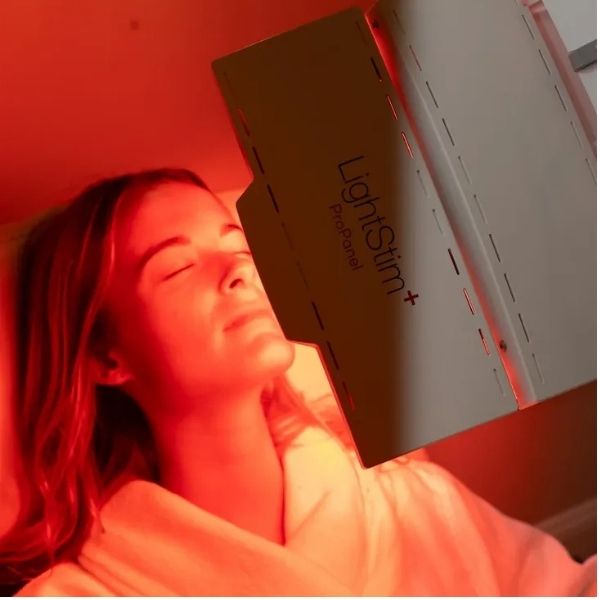
- You position in front of the red light device (panel, mask, or targeted wand)
- Sessions should last 10–20 minutes each, depending on device power and the treatment area
- Post-session, a provider may apply peptides, antioxidants, or a hydrating mask
When to expect changes: Subtle improvements in hydration and a healthy glow often appear within the first 2–4 weeks. More noticeable changes in fine lines, wrinkle depth, and skin firmness typically emerge around weeks 6–12 with repeated treatments.
Lifestyle factors matter too. Sleep, nutrition, sun protection, and avoiding smoking all influence how effectively your body produces and preserves collagen. Red light therapy gives your cells better tools-your daily habits determine how well those tools get used.
Who Is (and Isn’t) a Good Candidate for Red Light Therapy for Collagen?
Ideal candidates are adults noticing early or moderate signs of skin aging-fine lines, mild laxity, uneven tone, dullness, or early photodamage-who prefer a non-invasive treatment approach. If you are looking for gradual, natural-looking improvement rather than a dramatic overhaul, this is a strong fit.
Red light therapy is especially helpful for:
- Post-procedure support (accelerating recovery after peels, microneedling, or laser, once cleared)
- Busy professionals wanting no-downtime treatments that fit into a lunch break
- People with sensitive skin who cannot tolerate aggressive chemical exfoliation
- Anyone looking for a long-term collagen maintenance strategy between more intensive treatments
Red light therapy is generally safe across all skin types, including darker tones (Fitzpatrick II–V), because it is non-thermal and non-ablative. Unlike lasers, it carries minimal risk of post-inflammatory hyperpigmentation.
Caution or medical clearance is needed if you have:
- A history of skin cancer or precancerous lesions
- Lupus or other photosensitive disorders
- Current use of photosensitizing medications
- Uncontrolled medical conditions or certain eye conditions
- Pregnancy (data is limited)
Rather than self-diagnosing, start with a consultation. A provider can review your health history, assess your skin condition, set realistic expectations, and build a treatment plan tailored to your goals.
Maximizing Collagen Results: Combining Red Light with Other Treatments
Stacking gentle, complementary treatments can accelerate and deepen collagen results beyond what any single modality achieves alone. The key is choosing combinations that support each other without overwhelming your skin barrier.
Effective combinations include:
- Red light therapy after hydrating facials to boost absorption and cellular response
- Pairing with microcurrent or gentle microneedling during the same treatment week
- Using red light as recovery support after fractional laser or radiofrequency treatments, once a provider gives clearance
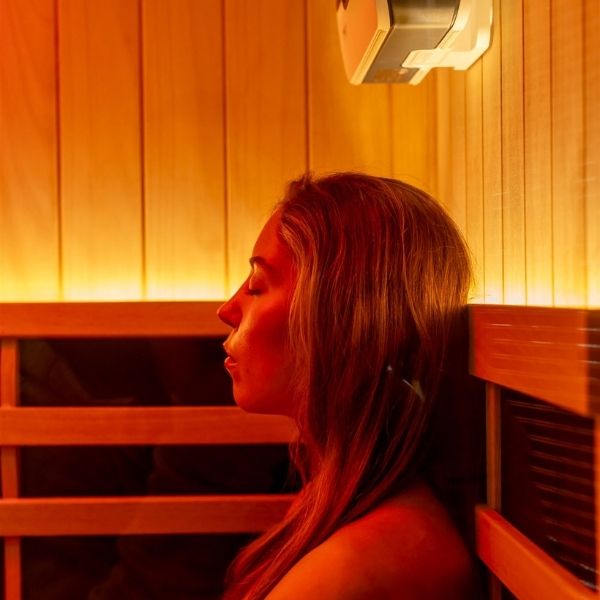
- Incorporating red light into a broader anti-inflammatory lifestyle program alongside sauna, compression, or cryotherapy
Timing matters. Early in a treatment plan, schedule red light on separate days from more aggressive procedures. As your skin adapts, your provider may move to same-day protocols.
Topical products that pair well include peptide serums, vitamin C or other antioxidants, and barrier-supporting moisturizers. Avoid anything that could make skin photosensitive (like retinoids) immediately before a session unless your provider specifically advises otherwise.
A coordinated plan with a clinician helps avoid overdoing overlapping treatments and keeps collagen and elastin production trending upward without compromising skin barrier health.
Frequently Asked Questions About Red Light Therapy for Collagen
Below are answers to the most common questions about red light therapy benefits, safety, timelines, and how it works alongside other treatments.
Does red light therapy really help with wrinkles and fine lines?
Yes. Consistent red light therapy can reduce the appearance of fine lines and mild-to-moderate wrinkles by supporting collagen remodeling in the dermis. Most people begin to see measurable changes in wrinkle depth and skin roughness around 4–12 weeks of regular use, though the timeline depends on age, baseline skin condition, and how closely you follow the treatment plan. This is not an overnight transformation-it is a gradual, cumulative process that clinical trials have validated across multiple study designs.
How often should I do red light therapy for collagen support?
For most adults, 2–4 sessions per week during an initial building phase works well, tapering to 1–2 sessions per week for maintenance. Doing far more sessions does not always produce better results because of dose-response limits; skin cells need recovery time between exposures. Follow the specific protocol recommended by your treating clinic rather than copying schedules from social media, since professional guidance accounts for your device’s power output and your individual skin.
Is red light therapy safe for all skin types and ages?
Red light therapy is generally safe across a wide range of skin types and ages because it does not break or heat the skin the way ablative lasers do. Studies have included participants across Fitzpatrick types II–V with good tolerability. Teens and older adults may both benefit, but minors should be supervised, and certain health conditions still require medical clearance. If you have a photosensitive condition, are pregnant, or have a complex medical history, have a personalized conversation with your provider first.
Can red light therapy replace other anti-aging treatments like Botox or lasers?
Red light therapy is best viewed as a supportive, collagen-friendly treatment rather than a direct substitute for injectables or surgical procedures. It excels at subtle smoothing, collagen synthesis, improved glow, and long-term maintenance of smoother skin. Injectables and lasers create more dramatic structural changes when needed. Many people use red light to extend or enhance the results of other treatments or to delay moving to more aggressive options.
Are at-home red light devices worth it for collagen?
Some at-home devices can provide meaningful benefits if they use appropriate wavelengths (look for 630–660 nm and 800–880 nm) and are used consistently over months. However, they come with limitations: lower power, smaller treatment fields, and less precise dose control compared with in-clinic systems. Think of a quality home red light device as a way to maintain gains between professional appointments, not as a full replacement for professionally guided protocols when you want maximum collagen results.
When should I avoid or pause red light therapy?
Delay or pause treatment if you have an active skin infection in the treatment area, have had a recent strong peel or laser without provider clearance, experience severe migraines triggered by light, or have started a new photosensitizing medication. If you notice persistent burning, intense redness, or any unusual reaction during or after receiving treatment, report it to your provider and pause sessions until evaluated. Honest health history and medication disclosure are the simplest ways to keep red light therapy safe.
Why Choose a Local Wellness Center for Red Light Therapy
There is a meaningful difference between managing your own light therapy routine at home and working with a dedicated team that understands skin health, collagen biology, and how red light fits into a larger wellness strategy.
At a center like Bonfire Wellness in North Andover, you get customized dosing based on your skin type and goals, integration with complementary treatments like facials, infrared sauna, cryotherapy, or IV therapy, and regular progress check-ins that keep your plan on track. Local providers also understand regional factors-harsh New England winters that strip moisture, seasonal sun exposure shifts, and the lifestyle patterns of Merrimack Valley residents-that influence how your skin responds.
Established wellness centers invest in higher-quality, well-maintained equipment and follow hygiene and safety protocols that consumer devices simply cannot replicate. If you are in the Merrimack Valley or North Andover area, look for a provider focused on cellular health, recovery, and longevity rather than quick cosmetic fixes. That philosophy translates into better outcomes and a treatment plan that evolves with your skin over time.
Next Steps: How to Get Started with Red Light Therapy for Collagen
Your skin is already doing the work of rebuilding collagen every day. Red light therapy gives it a better toolkit to do that work more effectively-and the first step is a conversation, not a commitment.
When you book a consultation at Bonfire Wellness, here is what to expect:
- A skin assessment to evaluate your current collagen health, tone, and texture
- A review of your medical history, current skincare routine, and any medications
- A discussion of realistic goals, expected timelines, and how red light therapy fits into your broader wellness routine
From there, your provider can recommend a tailored red light therapy plan, suggest complementary treatments, and walk you through membership or package options that make consistent sessions practical.
Come prepared with questions-about safety, device specifications, session frequency, how hair growth or hair regrowth protocols differ from collagen protocols, or anything else on your mind. The goal is to build a plan you feel confident about.
Ready to find out if red light therapy is the right match for your skin and long-term collagen health? Schedule a consultation at Bonfire Wellness in North Andover and take the first step toward more resilient, healthier-looking skin.