
Table of Contents
- Introduction to Peptide Therapy Benefits – What peptides are and why they’re used in modern wellness programs.
- What Are Peptides and How Does Peptide Therapy Work? – The biology behind peptide signaling, delivery methods, and clinical use.
- Key Health Benefits of Peptide Therapy – Evidence-informed benefits for muscle, fat loss, skin, energy, and immune function.
- Common Types of Peptides Used in Wellness and Performance – Categories, examples, delivery, and realistic timelines.
- Peptide Therapy vs. Peptide Supplements and Steroids – How to tell the difference and why it matters.
- Safety, Side Effects, and FDA Considerations – Risks, regulatory gaps, and what to watch for.
- What to Expect from a Medically Guided Peptide Therapy Program – Step-by-step process at a local wellness center.
- Who Might (and Might Not) Be a Good Candidate – Practical screening advice.
- FAQs About Peptide Therapy Benefits – Answers to the most common questions on timelines, safety, and legality.
- Why Choose a Local Wellness Center for Peptide Therapy and Recovery – The advantage of supervised, integrated care.
- Next Steps: Is Peptide Therapy Right for Your Health Goals? – How to get started.
Introduction to Peptide Therapy Benefits
Peptides are short chains of amino acids that act as specific biological messengers, triggering targeted responses in cells throughout the body. Peptide therapy uses lab-made versions of these molecules called amino acid chains to nudge healing, metabolism, and muscle growth pathways that slow down with age, injury, or chronic stress. Interest in peptide therapy has surged since about 2020, driven by clinical breakthroughs in metabolic peptides and growing athlete demand for faster injury recovery.
When medically supervised, peptide therapy may support muscle growth, muscle recovery, fat loss, skin health, immune function, and broader health optimization. But claims of broad health benefits from peptide therapy vary in evidence. Some peptides are FDA-approved for specific conditions: insulin (since 1921), GLP-1 medications like semaglutide and tirzepatide for diabetes and obesity, and tesamorelin for HIV-related visceral fat. Many “research peptides” promoted for anti-aging or performance enhancement are not FDA-approved, lack large human trials, and carry real purity and safety concerns.
This guide covers who might benefit from peptide therapy, what realistic potential benefits of peptides look like, what risks exist, and how a local wellness clinic integrates peptides within a broader recovery and longevity plan.
What Are Peptides and How Does Peptide Therapy Work?
Peptides are short chains of amino acids; think of them as the building blocks of proteins, but smaller and more specialized. Where a full protein might contain hundreds of amino acid residues, therapeutic peptides typically have 2 to 50. They function as signaling molecules, binding to specific receptors on cell surfaces to trigger downstream cascades.
Your body naturally produces peptides that regulate growth hormone release, immune responses, tissue repair, appetite, and inflammation. As you age or deal with chronic injury, production of certain peptides declines. Peptide therapy works by introducing specific, lab-made peptides in targeted doses, often via peptide injections (subcutaneous), occasionally capsules or creams, to restore or amplify these pathways. Peptides can mimic or influence naturally occurring signaling pathways, which is why a single peptide can affect sleep, recovery, or metabolic function depending on which receptor it targets.
Peptides can optimize circadian rhythms to enhance sleep quality, and peptide therapy may support immune function and hormonal balance when protocols are designed around the individual. Peptides also have potential applications in treating cardiovascular disease and neurological disorders, though most of this research remains preclinical. Modern functional medicine uses peptide therapy alongside lifestyle changes, nutrition, and recovery tools like cryotherapy and red light therapy rather than as a standalone fix.

Key Health Benefits of Peptide Therapy
The benefits below reflect a mix of FDA-approved clinical data and promising preclinical research. Responses vary by individual, and more human research is still emerging.
Muscle growth and lean mass support. CJC-1295 and Ipamorelin stimulate growth hormone release from the pituitary gland, increasing natural growth hormone pulses and insulin-like growth factor (IGF-1). When paired with strength training and adequate protein (1.2-2.0 g/kg), these peptides stimulate muscle protein synthesis and may support muscle growth, promoting muscle growth beyond what training alone achieves. Peptides may also preserve lean muscle mass during weight loss, which matters for anyone cutting calories while trying to hold onto hard-earned muscle-building progress.
Muscle recovery and joint comfort. BPC-157 and TB-500 may support tissue healing by enhancing angiogenesis (formation of new blood vessels) and fibroblast migration. Peptides can calm localized inflammation to shorten post-workout downtime, and they can enhance energy production during athletic recovery. A Phase II clinical trial (NCT07437547) is currently evaluating BPC-157 for acute hamstring strain, with endpoints including MRI-assessed injury volume after 14 days and return to unrestricted sport.
Fat loss and body composition. Certain peptides stimulate growth hormone production or regulate appetite to aid weight loss. GLP-1 peptides like semaglutide aid weight loss through appetite control and improved metabolic health. Certain peptides target stubborn fat tissue and regulate metabolic functions, and peptides can enhance nutrient processing for better metabolism. This makes peptide therapy a tool for body composition improvement alongside consistent nutrition and movement.
Skin rejuvenation and anti-aging. Peptides can stimulate collagen and elastin production in skin. Peptides like GHK-Cu (a copper peptide) may improve skin texture in 8 to 12 weeks of consistent topical use. Matrixyl is a peptide studied for collagen production in skin, and palmitoyl pentapeptide-4 may strengthen the skin barrier and reduce inflammation. Systemic peptides that improve sleep and lower inflammation also support skin elasticity and skin health indirectly.
Energy, sleep, and cognitive support. Nootropic peptides support mental clarity, focus, and memory retention. Peptide therapy is being studied for enhancing cognitive health, though human trial data remains limited. Better sleep architecture from GH-releasing peptides often translates to improved daytime energy production and focus.
Gut and immune support. Certain peptides play critical roles in immune defense and gut lining repair, though large-scale human evidence is still thin.
Practical example: A 45-year-old recreational distance runner in Massachusetts with a plateaued knee tendon injury completes baseline labs (CBC, CMP, fasting glucose, IGF-1), a body composition scan, and strength benchmarks. Her provider designs an 8-week protocol: nightly CJC-1295 + Ipamorelin injections, localized BPC-157, regular strength work, anti-inflammatory diet, and adjunct recovery (cryotherapy, infrared sauna). She notices reduced swelling by week 3-4, improved strength by week 6, and reduced tendon pain by week 8.
Common Types of Peptides Used in Wellness and Performance
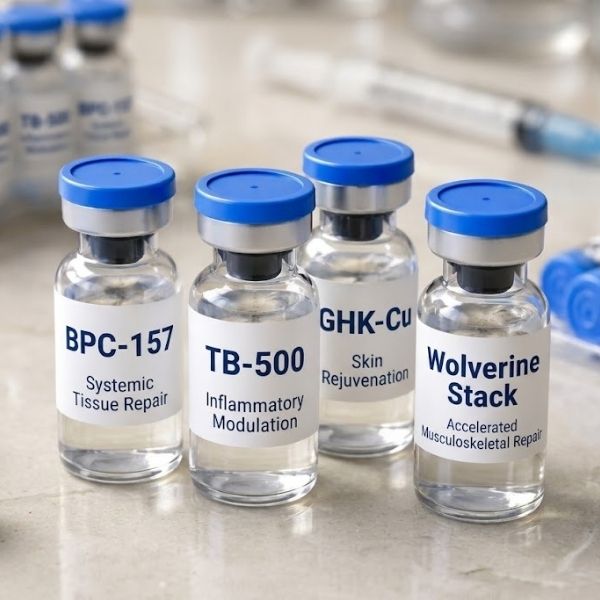
Hundreds of experimental peptides exist. Here are the categories a wellness clinic will typically discuss:
| Category | Examples | Goals | Delivery | Timeline |
|---|---|---|---|---|
| GH-releasing peptides | CJC-1295, Ipamorelin | Muscle growth, recovery, body composition | Subcutaneous injection | 4-12 weeks |
| Metabolic / weight management | Semaglutide (FDA-approved), AOD-9604 (research) | Appetite, fat loss, blood sugar control | Injection or oral (semaglutide) | 2-12 weeks |
| Healing/recovery | BPC-157, TB-500 | Tendon, ligament, wound healing, joint health | Injection (localized or subcutaneous) | 4-8 weeks |
| Skin / anti-aging | GHK-Cu, Matrixyl | Collagen, skin rejuvenation, hair growth | Topical or injection | 8-12 weeks |
| Immune | Thymosin Alpha-1 | Immune defense, T-cell production | Injection | Varies |
| Cellular energy / cognitive | NAD+ protocols | Brain fog, fatigue, healthy aging | IV or injection | 2-6 weeks |
CJC-1295 and Ipamorelin may preserve lean muscle during dieting, making them popular during calorie-restricted phases. Thymosin Alpha-1 stimulates T-cell production for immune defense. Peptides like AOD-9604 promote fat metabolism without affecting blood sugar, and AOD-9604 promotes fat breakdown without the glucose-altering effects of full GH therapy. CJC-1295 helps preserve lean muscle during weight loss.
FDA-approved peptides (insulin, GLP-1s, tesamorelin) are prescription medications backed by large trials. “Research peptides” sold through gray market websites are not FDA-approved and carry contamination risk. Peptides are not steroids: peptides are chains of amino acids, while anabolic steroids are synthetic hormone compounds. The phrase “peptides steroids” conflates two chemically distinct categories.
Peptide Therapy vs. Peptide Supplements and Steroids
Three categories get confused regularly: medically guided peptide therapy, over-the-counter peptide supplements, and anabolic steroids.
Peptide supplements (collagen peptides, creatine blends, oral “peptide complexes”) are dietary supplements that can support joint health, skin elasticity, or performance at a basic level. Most do not deliver the same targeted receptor-level effects as prescription injectable peptides because oral peptides degrade before reaching their target. Collagen peptides, for example, support the body’s natural processes for connective tissue but do not replicate what a synthetic peptide like BPC-157 does at a tissue-repair level.
Anabolic steroids differ from peptides both chemically and functionally. Steroids deliver synthetic hormones directly, carrying risks of liver strain, hormone shutdown, cardiovascular damage, and legal consequences. Peptides work by signaling the body to release its own hormones in pulses. Evidence supporting the athletic performance benefits of peptides remains weak compared to steroids, and many peptides marketed for athletic performance are prohibited under anti-doping rules.
When might you consider standard supplements versus peptide therapy? Creatine, adequate protein, and vitamin D cover most recreational needs. Peptide therapy enters the conversation when you’re dealing with stubborn injuries, plateaued muscle growth despite solid training, or perimenopausal body composition changes. “Peptides safe” is not a blanket statement; safety depends on source quality, dosing, medical history, and monitoring.
Safety, Side Effects, and FDA Considerations
Safety is the most important factor when evaluating any peptide therapy program. Here is what you need to know:
Common, usually mild side effects of medically supervised peptide injections include injection site reactions (redness, bruising), transient water retention, temporary appetite changes, vivid dreams, and mild joint aching as training volume increases. Anecdotal reports link peptides to gastrointestinal issues and headaches.
Rarer but serious risks: potential hormonal imbalances, altered blood sugar, interactions with existing medications, and the theoretical risk of accelerating undiagnosed cancer growth by overstimulating growth pathways (chronically elevated IGF-1 has been linked to cancer risk in some observational data). Some injectable peptides can trigger severe allergic reactions.
The FDA has identified safety concerns regarding certain peptides used in compounding. FDA-approved peptides have undergone large clinical trials for safety, purity, and dosing accuracy. Unregulated peptides may be contaminated with impurities; one analysis of approximately 6,000 online vendor samples found more than 40% failed basic purity standards, and about 15% showed measurable endotoxin contamination. Long-term effects of unregulated peptides are largely unknown.
Who should avoid peptides or proceed only with direct medical supervision: individuals with a history of cancer, uncontrolled diabetes, active autoimmune flare, pregnancy, or follicle-stimulating hormone imbalances. Baseline labs (CBC, CMP, fasting glucose, lipids, hormone panel) and periodic re-testing are non-negotiable for any serious peptide therapy program.
What to Expect from a Medically Guided Peptide Therapy Program
Here is the typical process a client in North Andover or the broader Merrimack Valley follows when starting peptide therapy at a local wellness center:
- Initial consultation: Detailed health history, discussion of goals (muscle growth, fat loss, injury recovery, anti-aging, energy), medication review, and alignment with other therapies like IV vitamin infusions, cryotherapy, infrared sauna, or red light therapy.
- Lab testing and body composition: InBody scan or similar, circumference measurements, strength benchmarks, and blood work before designing the protocol.
- Protocol design: The provider selects a specific peptide, dosing, timing (often nightly injections), and program length (commonly 8-16 weeks). Proper injection technique and safe handling are taught in-person.
- Lifestyle integration: Coaching on nutrition, resistance training, sleep routines, and anti-inflammatory lifestyle strategies to maximize benefits and reduce side effects.
- Monitoring: Follow-up visits, symptom and performance tracking, repeat labs, and adjustments or cycling off after a set period.
Who Might (and Might Not) Be a Good Candidate for Peptide Therapy?
Peptide therapy is not for everyone. Protocols should be personalized.
Typical candidates:
- Active adults and athletes wanting better muscle recovery and performance enhancement
- People in their 30s-60s noticing age-related declines in muscle mass, energy, or sleep
- Individuals with stubborn fat around the midsection despite consistent diet and training
- People managing chronic joint or tendon issues already working with physical therapy
Proceed with caution or avoid:
- Uncontrolled heart disease or active cancer
- Pregnancy or breastfeeding
- Severe untreated sleep apnea or active eating disorders
- Anyone hoping peptides will substitute for movement and nutrition
If you’re in the North Andover area, bring recent labs and your medication list to your first appointment so the provider can determine whether peptide therapy, other recovery therapies, or a combination is the safest starting point for your wellness journey.
FAQs About Peptide Therapy Benefits
How quickly can I see results from peptide therapy for muscle growth or fat loss?
Sleep and recovery improvements often appear within 2-4 weeks. Early strength or training-capacity changes typically show within 4-8 weeks. Visible body composition, fat loss, or muscle growth changes usually require 8-12+ weeks of consistent training, nutrition, and protocol adherence. Different peptides work on different timelines; GLP-1 medications can shift appetite within days, while collagen and skin rejuvenation peptides need 8-12 weeks for measurable results.
Are peptides safe when used for wellness and performance?
Medically prescribed, pharmacy-compounded peptides with lab monitoring are generally well tolerated. No therapy is risk-free. Safety concerns increase with unregulated sources, absent medical oversight, or complex medical histories. Individualized risk assessment, including blood sugar control, hormone levels, and cancer screening, is essential.
Are peptides the same as steroids or hormone replacement?
No. Peptides signal the body to release its own hormones in pulses; anabolic steroids deliver synthetic hormones directly. Hormone therapy with bioidentical hormones is a separate category. Sports governing bodies may still restrict many performance-enhancing peptides even though they are chemically distinct from steroids in sports medicine testing.
Do I have to use injections, or can peptide supplements work instead?
Most targeted therapeutic peptides are delivered by subcutaneous peptide injections for reliable absorption. Oral and topical products (collagen peptides, copper peptide creams) can be helpful for joint health or skin barrier support but usually have milder effects. Blood vessels and deep tissues respond better to injectable peptides than to oral dietary supplements.
Can peptide therapy help with anti-aging and longevity?
Improved muscle mass, better sleep, healthier body composition, and lower inflammation all contribute to healthier aging. Peptides should be part of a broader longevity strategy including nutrition, movement, stress management, and regular checkups. Such benefits compound over time rather than appearing overnight.
Is peptide therapy allowed if I compete in drug-tested sports?
Many performance-related peptides are banned by agencies like WADA and major sports leagues. Competitive athletes should check their federation’s rules before considering peptides and discuss disclosure with their healthcare provider. Clinical research into peptides and sports medicine continues, but regulatory restrictions remain strict.
Why Choose a Local Wellness Center for Peptide Therapy and Recovery
Working with a specialized wellness center in the Merrimack Valley means medically supervised protocols, pharmacy-grade sourcing, and integration with services like IV vitamin therapy, cryotherapy, infrared sauna, red light therapy, compression therapy, and anti-inflammatory lifestyle coaching. Bonfire Wellness in North Andover understands the needs of busy professionals, parents, and recreational athletes who want to train hard, recover faster, and age well without surgery or chronic prescription escalation. Membership and package options bundle peptide therapy with regular recovery sessions to support consistent, long-term progress. Clients are monitored, educated, and guided through every step of their program.
Next Steps: Is Peptide Therapy Right for Your Health Goals?
If you’re in the Merrimack Valley and wondering whether peptide therapy fits into your health optimization plan, our team can walk you through the pros, cons, and alternatives with real data. Schedule a free consultation at Bonfire Wellness in North Andover to review your goals, labs, and options. Bring questions about peptide injections vs. peptide supplements, program timelines, cost, and how to combine peptides with other therapies you may already be using.
Even if peptide therapy is not the right fit, a comprehensive wellness evaluation can uncover other science-based strategies to improve cellular health, the body’s ability to recover, performance, and longevity.