Table of Contents
- What You Need to Know First
- What Is Peptide Therapy?
- Key Benefits for Healthy Aging & Metabolic Health
- Who Is (and Isn’t) a Good Candidate
- How Peptide Therapy Works at a Local Andover-Area Wellness Center
- Common Types of Peptide Protocols Offered Near Andover
- Safety, Lab Testing, and What to Expect During Treatment
- Why Choose Our North Andover Wellness Center
- Frequently Asked Questions
- How to Get Started
Peptide Therapy in Andover, MA: What You Need to Know First
If you’re dealing with persistent fatigue, stubborn weight changes, mental fog, slow recovery from workouts, or poor sleep quality, you’re not alone. Across the Merrimack Valley, more adults are looking beyond conventional solutions for these issues. Peptide therapy in Andover, MA is a medically guided program that uses targeted short chains of amino acids to support healthy aging, cellular repair, and metabolic health – and demand for it has grown steadily through 2026.
This article focuses on in-person, clinician-guided peptide programs at a wellness center in North Andover serving Andover, Lawrence, Haverhill, Methuen, and surrounding towns. Local clinics in Andover offer prescription peptide therapy supervised by medical professionals, and the best results come when peptides are paired with complementary services like IV therapy, red light therapy, infrared sauna, and anti-inflammatory lifestyle coaching.
Below, you’ll learn who peptide therapy is for, how it works step-by-step, common peptide categories, safety considerations, and how to book an initial consultation locally.
What Is Peptide Therapy?
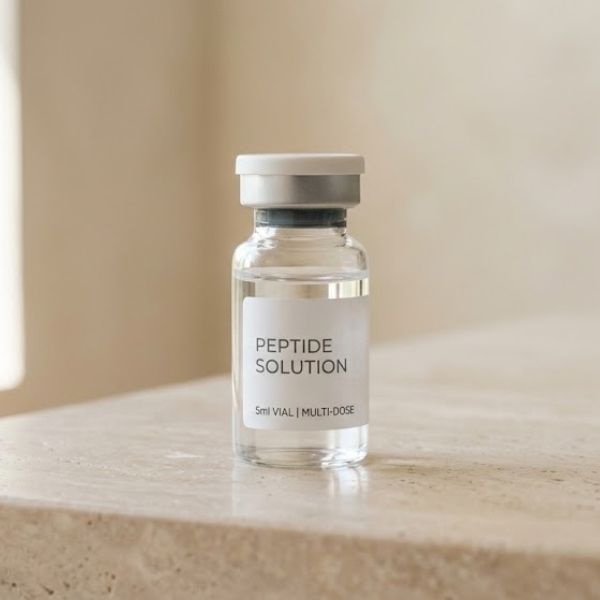
Peptide therapy uses short chains of amino acids for treatment. These chains, typically between 2 and 50 amino acids long, act as natural signaling molecules in the body. They bind to receptors on your cells and trigger specific responses – everything from hormone production to tissue repair to metabolic signaling.
Peptide therapy does not replace hormones directly. Instead, it nudges your body’s natural processes. For example, growth hormone–releasing peptides stimulate your pituitary gland to increase natural growth hormone output, rather than injecting synthetic growth hormone. Peptide therapy can support hormone regulation and tissue repair while working within your body’s existing systems. These signals influence sleep quality, body composition, gut health, immune function, and cognitive clarity.
Protocols are always personalized based on age, health history, symptoms, and lab testing. Core therapeutic goals typically include:
- Healthy aging support and cellular regeneration
- Fat loss and metabolic balance
- Injury and exercise recovery
- Performance optimization and improved energy levels
- Support for overall wellness and long-term vitality
Key Benefits of Peptide Therapy for Healthy Aging & Metabolic Health
Benefits from peptide therapy are gradual and cumulative, typically building over 8 to 16 weeks rather than appearing overnight. Individual results vary significantly based on sleep, balanced nutrition, movement, and adherence to the program.
Healthy aging and recovery. Peptide therapy enhances tissue repair and supports natural hormone balance, which translates to faster recovery between workouts, improved sleep architecture, and collagen production for skin health and joint comfort. Sermorelin peptide therapy, for example, supports sustained energy and deeper restorative sleep cycles. Peptides can improve energy levels and reduce inflammation, helping you feel more resilient as you age.
Metabolic health and body composition. Metabolic health and weight loss are common applications of peptide therapy. Clinical research on combined gut-hormone peptide infusions showed an average weight loss of 4.4 kg over four weeks in patients with prediabetes, along with improved glucose regulation. Peptides support metabolic efficiency and hormone balance, aid fat loss when paired with nutrition and activity, and help preserve lean muscle. Peptides can support metabolic function, weight management, muscle recovery, and healthy aging simultaneously.
Cellular repair and longevity. Peptide therapy works at the cellular level, supporting mitochondrial function, reducing low-grade inflammation, and improving exercise recovery. This translates to better cellular energy production and long-term health outcomes that compound over months.
Gut health. Faster healing of the gut lining, reduced bloating, and improvement in IBS-like symptoms are reported by appropriate candidates. Better gut health often cascades into improved mood and stronger immune function.
Brain and mood. Peptide therapy enhances mental clarity and reduces inflammation in ways that support cognitive function, focus, and resilience to stress. These improvements are real but subtle – expect sharper thinking and less mental fog rather than dramatic cognitive shifts.
Peptide therapy also boosts immune function and tissue repair, promotes collagen production and skin health, and aids recovery from injuries and chronic conditions, making it a broad-spectrum tool for overall well-being.
Who Is (and Isn’t) a Good Candidate for Peptide Therapy in Andover?
Peptide therapy is best suited for adults seeking sustainable wellness changes, not a quick fix. If you’re looking for overnight results, this probably isn’t your path.
Ideal candidates are men and women in their 30s through 70s experiencing low energy, stubborn weight gain, slow exercise recovery, mental fog, poor skin quality, diminished sexual wellness, or early signs of hormonal imbalance. Common wellness goals include improving body composition, supporting natural hormone balance, enhancing recovery from training, and promoting long-term wellness and overall vitality.
Additional medical clearance or alternative options may be needed for:
- Pregnancy or breastfeeding
- Active cancer treatment
- Uncontrolled autoimmune disease
- Severe liver or kidney disease
People on multiple medications or with complex medical history may still qualify but require more detailed lab testing and coordination with their primary care provider. Eligibility is always determined during an initial consultation and review of labs – not through online questionnaires.
How Peptide Therapy Works at a Local Andover-Area Wellness Center
The process is structured, stepwise, and designed to put first-time patients at ease.
Step 1: Initial consultation. A 45- to 60-minute visit at the North Andover center covers your health history, current symptoms, lifestyle factors, and specific goals – whether that’s weight loss, better sleep, sharper focus, improved skin health, scalp health, sexual function, or gut repair.
Step 2: Lab testing. Bloodwork evaluates hormones, metabolic markers (glucose, insulin, HbA1c, lipids), liver and kidney function, inflammatory markers, and nutritional status. Administration of therapeutic peptides often requires clinician oversight and blood work before beginning any protocol.
Step 3: Delivery method. This therapy is administered via injections, oral supplements, or topicals depending on the protocol. Subcutaneous self-injections are most common and are taught in-clinic by staff who walk you through the technique in plain language.
Step 4: Gradual dosing and adjustment. Peptide dosing starts conservatively and is adjusted based on your body’s response, tolerance, and lab results. Lifestyle recommendations around balanced nutrition, movement, and sleep are layered in for best results.
Typical time from consult to first dose is one to three weeks, depending on lab turnaround and compounding pharmacy fulfillment.
Common Types of Peptide Protocols Offered Near Andover
Specific peptides and brand names may shift with evolving research and regulations, but core goals remain consistent. Types of peptides include GLP-1 receptor agonists, growth hormone analogs, and compounds for longevity.
Growth hormone–supporting protocols. Sermorelin stimulates natural growth hormone signaling and is used for recovery, body composition, and sleep. Sermorelin therapy improves sleep quality and overall vitality through rhythmic growth hormone release. CJC-1295 enhances metabolism and tissue repair, making it a common pairing in these protocols.
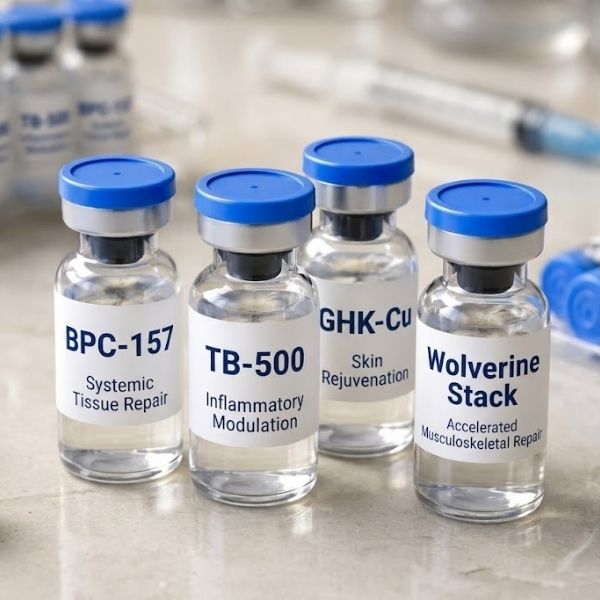
Gut health and regenerative support. BPC-157 supports gut health and injury recovery, targeting intestinal lining repair and soft-tissue healing under medical supervision. Regenerative and musculoskeletal protocols are directed at joint comfort, post-exercise recovery, and tissue regeneration.
Metabolic and weight management. FDA-approved medications include Semaglutide and Tirzepatide for weight management, and metabolic peptide plans can be combined with IV therapy, vitamin injections, and nutrition coaching. Kisspeptin-10 encourages natural hormone balance, supporting sexual desire and broader hormonal health.
Neurocognitive and cellular energy. NAD+ supports cellular energy production and mental clarity, making it a valuable option for focus, mood resilience, and long-term brain health. GHK-Cu promotes collagen synthesis and skin rejuvenation, bridging the gap between anti-aging goals and tissue health.
Safety, Lab Testing, and What to Expect During Treatment
Medically supervised peptide therapy prioritizes safety through screening, lab testing, and ongoing monitoring at every stage.
Lab testing cadence. Periodic blood panels are often required to monitor peptide therapy efficacy and safety. Before starting, expect a comprehensive panel covering hormone levels, metabolic markers, liver and kidney function, and inflammation markers like CRP. Labs are rechecked every four to eight weeks, with adjustments to your personalized plan based on results.
Potential side effects. Mild side effects may include injection-site irritation, temporary fluid retention, vivid dreams, or mild digestive changes. Red-flag symptoms – unusual swelling, persistent pain, allergic reactions – require immediate provider contact. Compounded peptides may have limited safety information according to the FDA, which is why professional guidance and ongoing monitoring are non-negotiable.
Compounding pharmacy quality. Peptides are sourced through reputable 503A or 503B compounding pharmacies that comply with federal and state purity and manufacturing standards. Public health cautions exist regarding compounded GLP-1 products related to fraud, so verifying pharmacy credentials and batch testing is essential. In July 2026, the Pharmacy Compounding Advisory Committee voted to approve six of seven widely reviewed peptides for the 503A Bulks List, expanding legal access but not eliminating the need for clinical oversight.
Follow-up visits occur every four to eight weeks and include symptom tracking (energy, sleep, gut, mood), body composition analysis, and program adjustments based on both objective and subjective data. Peptides are one part of a broader plan that may include IV therapy, red light therapy, infrared sauna, exercise guidance, and anti-inflammatory nutrition strategies for consistent care and long-term health.
Why Choose Our North Andover Wellness Center for Peptide Therapy?
Bonfire Wellness is built around recovery, cellular health, and longevity using evidence-informed modalities. Our clinical team offers personalized peptide therapy alongside cryotherapy, IV therapy, red light therapy, infrared sauna, compression therapy, and facials – all under one roof. This integration means your peptide protocol doesn’t exist in isolation; it works alongside services that improve blood flow, reduce inflammation, support cellular repair, and accelerate recovery.
Every client receives a thorough initial consultation and custom protocols tailored to their metabolic health, gut health, natural hormone balance, and specific wellness goals. Our licensed providers take the time to review your full medical history, teach self-injection techniques, and answer questions without jargon. The North Andover location is just north of downtown Andover with free parking, easy access from I-495 and Route 114, and flexible scheduling for working professionals and busy parents.
Clients consistently report improved energy, better sleep, body recomposition progress, improved skin quality, and what many describe as feeling “younger from the inside out.” The environment is private, spa-like, and calm – designed for ongoing support throughout your wellness journey.
Frequently Asked Questions About Peptide Therapy in Andover, MA
Here are the questions we hear most from prospective clients in the Andover and Merrimack Valley area.
How long does it take to see results from peptide therapy?
Most clients notice subtle changes in sleep and recovery within two to four weeks. More noticeable shifts in energy levels, body composition, and cognitive clarity typically appear around 8 to 12 weeks. A full evaluation of your program’s effectiveness happens at three to six months, which is why consistent care and follow-up appointments matter.
How much does peptide therapy cost in the Andover area?
Peptide therapies are generally out-of-pocket, and insurance coverage is rare. Expect an initial consultation plus lab testing to run approximately $500 to $1,000. Monthly peptide programs typically range from $800 to $2,500 depending on specific peptides, dosing frequency, and bundled services. Memberships and packages can reduce per-visit costs and simplify budgeting.
Can peptide therapy help with weight loss and body composition?
Yes. Peptides can support fat loss, appetite regulation, and lean mass preservation. However, sustainable results require combining peptide therapy with balanced nutrition, movement, and quality sleep. Peptide therapy promotes recovery, metabolism, and overall wellness, but it is not a standalone weight loss solution.
Is peptide therapy safe long term?
Long-term safety depends on appropriate candidate selection, medical supervision, quality compounding pharmacies, and periodic lab monitoring. Most side effects are mild and manageable when protocols are personalized. Follow-up visits ensure your program stays aligned with your body’s response over time.
Can I do peptide therapy if I’m already on medications or hormone replacement?
Many clients are on medications such as thyroid or blood pressure prescriptions, or are using hormone replacement. These situations require careful review during the initial consultation and possible coordination with your prescribing clinician to ensure safety and avoid interactions.
How does peptide therapy compare to IV therapy or other services?
Peptides are signaling molecules that drive long-term shifts in metabolic pathways, hormone production, and cellular function. IV therapy provides immediate replenishment of fluids, vitamins, and amino acids. Combining both can enhance recovery, support long-term wellness, and accelerate progress toward your wellness goals. Think of peptides as the strategic plan and IV therapy as the immediate fuel.
How to Get Started with Peptide Therapy in Andover
If the symptoms or goals described in this article sound familiar, a consultation is the fastest way to determine whether personalized peptide therapy fits your plan.
Here’s how the process works:
- Schedule your initial consultation online or by phone at our North Andover center.
- Complete intake forms and bring any recent lab work you have available.
- Attend your in-person visit (45–60 minutes) to review your health history, symptoms, and goals with a member of our clinical team.
- Receive your custom plan including a first-month roadmap, lab orders, and recommendations for complementary services.
Before your appointment, list your top three goals – whether that’s better sleep, improved body composition, sharper mental clarity, improved sexual wellness, or something else entirely. This keeps your personalized plan targeted and your follow-up visits productive.
You can also explore integrating peptide therapy with IV hydration, cryotherapy, red light therapy, and compression therapy to enhance recovery and support healthy aging outcomes across multiple systems.
Ready to find out if peptide therapy is right for you? Book an initial consultation at Bonfire Wellness in North Andover and take the next step toward long-term vitality.