Table of Contents
- What peptides are and how they help muscle recovery
- How peptides work in tissue repair
- Types of peptides used for recovery
- What the science actually says
- Safety, FDA status, and common mistakes
- How a clinic-based peptide program works
- Who is a good candidate
- FAQs about peptides for muscle recovery
- Why choose a local, supervised program
- Taking the next step
Peptides for Muscle Recovery: What They Are and How They Help
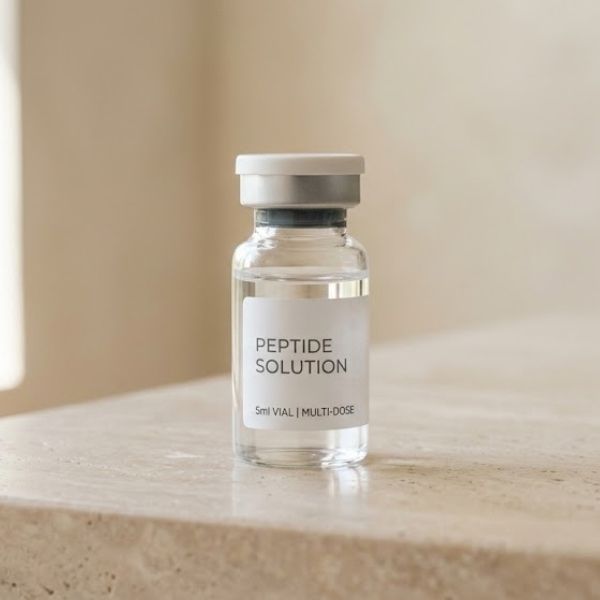
Slow recovery between training sessions, recurring tendon flare-ups, and joints that ache for days after a hard workout are common complaints among active adults. Peptides for muscle recovery are short chains of amino acids that act as signaling molecules, supporting tissue repair, reducing inflammation, and influencing growth hormone release. They are not anabolic steroids; they work by nudging the body’s own repair processes rather than flooding it with synthetic hormones.
Some peptides are FDA-approved for specific medical conditions. Insulin, GLP-1 receptor agonists, and tesamorelin (for HIV-associated lipodystrophy) are examples. Most peptides marketed for muscle recovery, including growth hormone-releasing peptides like ipamorelin and healing compounds like BPC-157, are not FDA-approved for that use and remain off-label or research-grade.
Realistic expectations matter here. Peptides may help you tolerate higher training volumes, reduce soreness between sessions, and support rehab after injury. They will not produce instant muscle gain or “miracle” injury recovery. Peptide injections are only one part of a broader plan that must also include sleep, nutrition, strength programming, and recovery modalities like cryotherapy, red light therapy, or compression.
How Peptides Work in Muscle Recovery and Tissue Repair
Peptides act as biochemical messengers in the body, telling cells when to repair, grow, or dial down inflammation. In muscle recovery, the most relevant pathways involve growth hormone, collagen synthesis, and blood vessel formation.
Growth hormone-releasing peptides stimulate the pituitary gland to release natural pulses of growth hormone. That growth hormone triggers production of Insulin-like Growth Factor 1 (IGF-1), which in turn activates satellite cells in damaged muscle fibers, accelerates muscle protein synthesis, and supports muscle repair after hard training or injury. Certain peptides also modulate the immune response and promote blood vessel formation (angiogenesis), delivering more oxygen and nutrients to damaged tissue. Some peptides possess anti-inflammatory properties that reduce swelling at injury sites, which helps tendons, ligaments, and muscle fibers reorganize during healing.
Peptides can calm inflammation and support tissue repair at a cellular level. But the visible benefit depends on training load management, protein intake (at least 1.6 g/kg/day for active adults), and consistency. Short-term effects like feeling less sore may appear in weeks. Long-term structural changes, such as improved tendon quality, require months of consistent intervention.
Types of Peptides Used for Muscle Recovery
Peptides are classified into tissue-repair peptides and growth hormone secretagogues. For practical purposes, they fall into three groups: oral collagen peptides, growth hormone releasing peptides, and healing research peptides.
Collagen peptides are oral supplements, not injections, typically taken as a 10- 15 g powder daily. Collagen peptides improve muscle strength and body composition when combined with resistance training. In a 12-week trial with sarcopenic men (mean age ~72), 15 g/day collagen plus three weekly resistance sessions produced ~4.22 kg of fat-free mass gain versus ~2.90 kg with training alone. An 8-week study in resistance-trained younger men found that combining 30 g whey protein with 10 g collagen yielded ~2.66 kg of muscle mass gain, compared to ~1.59 kg for whey alone. Collagen is not as potent as complete proteins (whey, pea) for pure muscle protein synthesis, but it supports connective tissue health in ways other proteins do not.
Growth hormone secretagogues include compounds like sermorelin, ipamorelin, CJC-1295, and the oral secretagogue MK-677 (ibutamoren). Their goal is to boost the body’s own growth hormone rather than injecting synthetic growth hormone. Growth hormone secretagogues modestly improve lean body mass in older adults, with some trials reporting improved stair climb and balance scores. Side effects in those same trials include fatigue, fluid retention, and mild insulin resistance.
Healing research peptides like BPC-157 and TB-500 are widely discussed on social media by social media influencers. TB-500 is related to thymosin beta 4, aiding tissue repair through cell migration and actin cytoskeleton remodeling. Thymosin Beta-4 reduces inflammation by improving blood flow to injured areas. BPC-157’s proposed mechanisms include improved blood vessel growth (new blood vessels at injury sites), better collagen organization, and reduced inflammatory signaling. Most evidence for these compounds comes from animal studies; human data are sparse. Many of these injectable peptides are compounded, not FDA-approved products, and purity varies, which is one reason medical supervision matters.
What the Science Actually Says About Peptides, Muscle Gain, and Injury Recovery
Evidence for muscle recovery benefits is mixed. Collagen peptides have the strongest human data; injectable peptides for healing lag behind.
For collagen peptides, meta-analyses covering 19+ studies show improvements in fat-free mass, muscle strength, and reduced joint pain when paired with resistance training. A 12-week study showed collagen peptides enhance recovery after exercise and improve muscle and tendon stiffness in younger men taking 10 g/day. Effect sizes for muscle performance hover around a standardized mean difference of 0.60, which is moderate but real.
For growth hormone-related peptides, clinical trials in adults aged 65-84 using secretagogues like capromorelin report small lean mass gains and functional improvements, along with worsened fasting glucose. Growth hormone-releasing peptides show modest benefits in older adults but inconsistent changes in IGF-1 and real-world function across trials.
BPC-157 shows promise in accelerating muscle healing in animal studies, including reversal of corticosteroid-impaired tendon healing. BPC-157 increases growth hormone in tendon tissue by sevenfold in preclinical models. Yet BPC-157 lacks substantial human clinical evidence for efficacy. The only evidence available in humans is limited to small, uncontrolled case series, making it impossible to separate placebo from true benefit. The effectiveness of peptides for muscle recovery in healthy athletes is uncertain for these compounds.
Most marketed recovery peptides are supported mainly by animal studies or small trials. Foundational recovery strategies, including progressive resistance training, adequate protein, and sleep, may outperform peptide interventions for muscle recovery when those basics are not yet optimized.
Safety, FDA Approval, and How to Avoid Common Peptide Mistakes
Some peptides are FDA approved drugs (insulin, GLP-1 agonists, tesamorelin). Most peptides used for muscle recovery, fat loss, or anti-aging have no FDA approval and are off-label or research-only. The FDA’s Pharmacy Compounding Advisory Committee voted in July 2026 to recommend six peptides (including BPC-157 and TB-500) for possible compounding inclusion, but that vote is advisory, not binding. FDA approval for muscle recovery indications does not exist for these compounds.
BPC-157 lacks human clinical evidence for safety and efficacy. Injectable peptides lack robust human clinical trials, and many are not FDA-approved. Injectable peptides may cause fatigue, insomnia, and insulin resistance. Research-grade peptides lack regulation for purity and safety. Peptides sold online may vary in concentration and contaminants, which is a big problem when you are injecting them.
The regulatory status of many peptides limits their use in competitive sports. WADA bans BPC-157, TB-500, and several growth hormone-releasing peptides. Athletes should check anti-doping rules for peptide use in competitive sports before starting any protocol.
Peptide use can potentially accelerate undiagnosed cancer growth because chronic elevation of growth hormone and IGF-1 may feed hormone-sensitive tumors. People with a history of cancer, uncontrolled diabetes, or severe sleep apnea need extra caution.
Checklist before starting a peptide program:
- Is the product FDA-approved for any indication, or is this off-label?
- Who prescribes and monitors it? Are labs (blood work, glucose, IGF-1) checked regularly?
- Are realistic timelines explained (months, not days)?
- Are you also doing strength training, eating enough protein, and sleeping 7-9 hours?
How a Clinic-Based Peptide Program for Muscle Recovery Typically Works
A supervised program starts with an initial assessment: health history, current medications, previous injuries, and training schedule. Baseline measurements include body composition, muscle strength markers, and flexibility. One example: a trail runner with chronic Achilles tendon pain would get a different plan than a lifter chasing muscle gain.
Lab testing screens for metabolic risk. A physician orders hormone panels (IGF-1, thyroid), fasting glucose, A1c, and lipids before prescribing any growth hormone-related peptides. Imaging or orthopedic referrals happen when chronic tendon pain suggests a structural problem that peptides alone cannot fix.
The individualized plan determines whether oral collagen peptides, injectable growth hormone-releasing peptides, or deferring peptides entirely (prioritizing exercise, hydration, sleep, and other modalities) is the right call. Complementary therapies like cryotherapy, infrared sauna, red light therapy, and compression boots are layered in to support blood flow, inflammation control, and cellular health.
For peptide injections, clients learn subcutaneous injection technique, site rotation, and cold-chain storage. Programs typically run 8-12 weeks before reassessment. Follow-up visits every 4-6 weeks review training logs, soreness ratings, and lab results.
Who Might (and Might Not) Benefit from Peptides for Muscle Recovery
Peptides are rarely the first step. Evidence-based recovery priorities include protein intake and sleep over peptides. They belong after training, nutrition, and rest are already optimized.
Reasonable candidates:
- Recreational or competitive athletes with recurring muscle strains or slow recovery despite solid habits
- Adults in their 40s-70s noticing declining recovery speed, muscle loss (aging-related sarcopenia), or increased joint discomfort
- Patients post-surgery whose physicians support adjunct recovery in a coordinated plan
Caution or avoidance:
- Personal or family history of hormone-sensitive cancers or active malignancy
- Poorly controlled diabetes, advanced heart disease, or severe sleep apnea
- Young, still-growing athletes where altering growth hormone dynamics could affect natural bone and tissue development
Most programs are measured in weeks to months. Improved tolerance for training volume and less soreness appear before visible muscle gain.
FAQs about Peptides for Muscle Recovery
Here are the questions clients ask most often.
Are peptides for muscle recovery legal and FDA approved?
Some peptides (insulin, GLP-1 agonists, tesamorelin) are FDA-approved for medical conditions, but not for sports muscle recovery. Popular recovery peptide names like BPC-157, TB-500, and most growth hormone-releasing peptides have no FDA approval and are used off-label under medical supervision or sold online as research compounds. Legality depends on sourcing: a prescription from a licensed provider differs from unregulated online sales.
How long does it take for peptide injections to help with muscle recovery?
Subjective improvements in soreness and recovery tolerance can appear within 2-4 weeks. Meaningful muscle gain, tendon remodeling, or changes in body composition typically require 8-12 weeks or longer of consistent therapy plus training. Timelines vary with age, peptide type, and whether sleep and nutrition are addressed.
Can peptides replace strength training or physical therapy?
No. Peptides cannot replace progressive resistance training, mobility work, or structured physical therapy. They support these efforts by influencing tissue repair signals and recovery tolerance. Peptides work best as one layer in a complete program, not a shortcut around hard exercise and consistency.
Do collagen peptides really help build muscle, or are they just for skin and joints?
Collagen peptides primarily support connective tissues (tendons, ligaments, bone), but research shows they also improve muscle strength and body composition when paired with resistance training, especially in older adults. For pure muscle protein synthesis, complete proteins like whey remain more potent. Collagen is best used as a complement.
What side effects should I watch for with growth hormone releasing peptides?
Common side effects in clinical trials include fatigue, fluid retention, numbness or tingling in hands, and small increases in fasting glucose or insulin resistance. Contact your clinician for severe headaches, vision changes, chest pain, or rapid unexplained weight gain. Stop any unsupervised peptide use if those symptoms arise.
Are there safer alternatives to peptides for muscle gain and recovery?
Structured resistance training, sufficient daily protein (1.6-2.2 g/kg for active individuals), creatine monohydrate, sleep optimization (7-9 hours), and recovery modalities like compression, cryotherapy, and red light therapy all have stronger long-term safety data than most research peptides. These medications and supplements carry fewer unknowns and form the foundation any peptide protocol builds on.
Why Choose a Local, Supervised Program for Peptide-Supported Muscle Recovery
Anonymous online “research peptide” sellers offer no assessment, no monitoring, and no integration with a real recovery plan. A supervised local program at a wellness center like Bonfire Wellness provides in-person exams of injuries and movement patterns, collaboration with physical therapists and trainers, and access to complementary services like IV hydration, cryotherapy, infrared sauna, red light therapy, and compression.
Wellness clinics with medical oversight can adjust doses based on lab results and how patients actually feel during training. They create phased plans around specific events, whether that is a half-marathon, a powerlifting meet, or a return-to-sport date after surgery. Ongoing support includes regular check-ins, education on anti-inflammatory nutrition and stress management, and a clear off-ramp so clients are not indefinitely dependent on injections.
Taking the Next Step: Is a Peptide Program Right for Your Muscle Recovery Goals?
Peptides can influence growth hormone, collagen formation, and tissue repair. They are one piece of a broader muscle recovery, injury recovery, and longevity strategy. If you are dealing with persistent soreness, slow progress in building muscle, or lingering tendon pain despite good training and sleep, a professional consultation can clarify whether peptide injections, collagen peptides, or other modalities make sense for your specific case.
Contact Bonfire Wellness by phone or online booking to schedule an initial recovery and peptide strategy session. Come prepared with your training logs, health history, and questions about growth hormone, muscle healing, and tissue repair options. The right science-backed plan starts with an honest conversation about where you are now and where you want to be.