
Welcome! Start Here: What Is Lymphatic Compression Therapy and Where Can I Get It Near Me?
Welcome! If you’re searching for lymphatic compression therapy near me or hoping to book a lymphatic drainage massage today in the Merrimack Valley, you’re in the right place. Whether you’re dealing with heavy legs after a long commute, recovering from surgery, or chasing holistic wellness goals, this guide covers what you need to know before your first appointment.
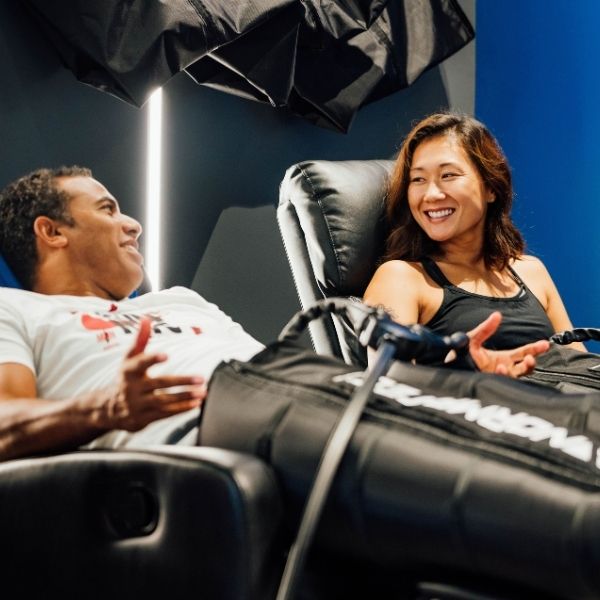
Lymphatic compression therapy uses inflatable sleeves and garments that apply wave-like pressure to move lymph fluid through your body. Sessions are gentle, non-invasive, and done fully clothed-typically lasting 30 to 60 minutes. That means you can realistically fit one into an evening after work or a weekend morning between errands and training.
Below, you’ll find the benefits, who it helps most, how sessions work, safety considerations, and how to schedule locally in North Andover.
Table of Contents
- What Is Lymphatic Compression Therapy?
- Core Benefits: Swelling, Recovery, and Energy
- Who Should Consider It?
- What to Expect During a Session
- Lymphatic Compression vs. Lymphatic Drainage Massage
- Safety and When to Avoid
- FAQs
- Why Choose Our North Andover Wellness Center
- Book Your Appointment Today
What Is Lymphatic Compression Therapy? (And How It Supports Lymphatic Drainage)
Lymphatic compression therapy stimulates the flow of lymph fluid through the lymphatic system using gradient air pressure. Dynamic pneumatic devices mimic muscle pumping to facilitate lymphatic flow, guiding excess fluid from your feet and legs back toward your lymph nodes and central circulation. Compression therapy uses external pressure to guide fluid toward the central circulatory system-something your body’s lymph vessels can’t do on their own, since the lymphatic system lacks its own pump.
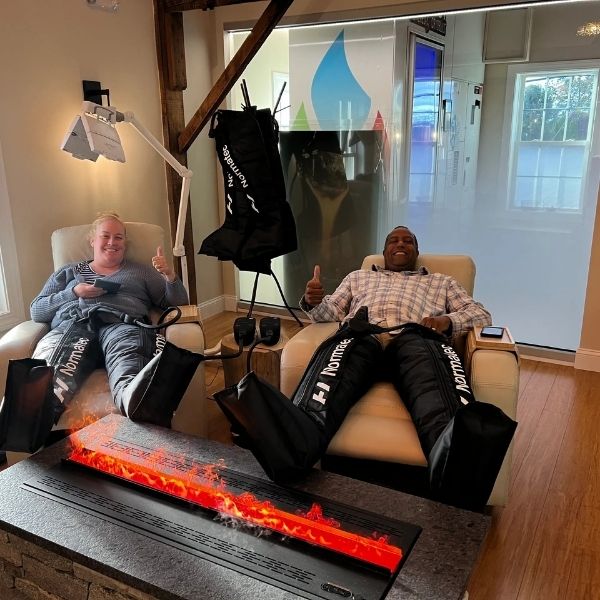
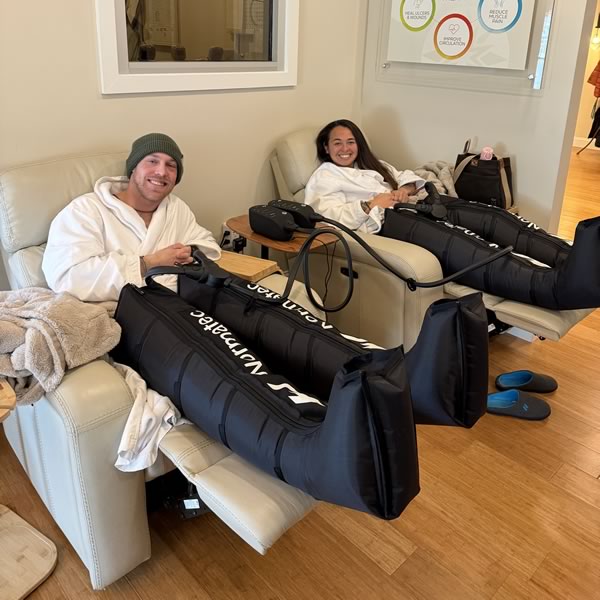
The lymphatic system removes toxins, waste products, and excess fluid from tissues, supporting immune function and fluid balance. When this system is sluggish, fluid can pool and cause swelling in your ankles, calves, and feet. The equipment itself consists of zip-up boots or sleeves connected to a console that inflates and deflates in programmed cycles using specific movements and a specific sequence of pressure.
This therapy overlaps with the goals of professional lymphatic drainage massage-a hands-on technique developed by Emil and Estrid Vodder in the 1930s that uses light pressure and rhythmic movements. Both aim to reduce puffiness and support lymphatic drainage, but compression delivers consistent, repeatable pressure across larger areas. In 2027, local runners use compression after half-marathons along the Merrimack Valley, while professionals rely on it after long commutes from Boston to relieve leg heaviness and poor circulation.
Core Benefits: From Fluid Retention Relief to Overall Wellness
Benefits vary by individual needs, but most clients notice feeling lighter, less puffy, and more energized within their first few sessions.
Fluid retention and swelling relief. Compression therapy is effective for reducing swelling and edema by moving trapped fluid out of extremities. It can alleviate localized edema caused by various factors such as prolonged sitting, long flights from BOS, or hormone-related water retention. This massage technique flushes out toxins and reduces water retention, while pneumatic compression devices improve blood circulation and enhance overall venous return. Lymphatic drainage massage reduces swelling and inflammation, and it promotes healthy circulation throughout the body.
Post-surgical recovery support. Lymphatic drainage massage reduces swelling after surgery and can cut recovery time dramatically after surgical procedures. Regular sessions enhance healing and comfort post-surgery. Clinical research supports lymphatic drainage for post-surgical swelling reduction-particularly for patients recovering from a tummy tuck or liposuction, where lymphatic drainage massage improves outcomes significantly. Compression therapy supports healing and rehabilitation by improving tissue oxygenation. This work begins only after surgeon approval, usually 2 to 4 weeks post-op once incisions are fully closed.
Inflammatory conditions and soreness. People with inflammatory conditions like mild arthritis or chronic overuse from training often experience reduced stiffness and better joint comfort after consistent treatment. Compression therapy is commonly used in athletics to boost recovery and reduce muscle soreness after intense workouts. This is supportive care, not a cure, and should complement medical care.
Immune and holistic wellness benefits. Lymphatic drainage massage boosts overall wellness and vitality. It enhances detoxification by stimulating lymph flow, and regular sessions can improve immune responses and reduce puffiness. Compression therapy enhances immune support by promoting lymphatic flow of white blood cells, supporting immune function throughout the body. Lymphatic drainage massage enhances detoxification processes in the body and can improve skin tone and reduce puffiness. Pairing compression with red light therapy or infrared sauna builds a comprehensive longevity routine targeting cellular health.
Stress and nervous system reset. The steady, rhythmic movements of compression help clients drop into deep relaxation-a gentle alternative to deep tissue work for people who want stress relief without firm pressure on muscles.
Who Should Consider Lymphatic Compression Therapy Near Me?
Use this as a quick checklist before booking:
- Swelling and puffiness: Desk workers in North Andover or Lawrence with ankle swelling by late afternoon, people noticing sock lines, or anyone with fluid retention from standing-based jobs in retail, hospitality, or healthcare.
- Athletes and active adults: Runners, cyclists, and weekend league players use compression to flush metabolic byproducts after training. Combining it with occasional deep tissue sessions can improve range of motion.
- Post-surgical recovery (with clearance): Candidates recovering from body contouring, liposuction, or orthopedic surgery once their surgeon okays compression. Therapists will ask about surgery dates and healing status. Compression garments help maintain fluid control during daily activities after swelling reduction.
- Holistic wellness seekers: Health-conscious adults already investing in IV therapy, peptides, or infrared sauna who want to add lymphatic health to their overall wellness routine.
- Who should pause: Lymphatic compression therapy can help manage conditions like lymphedema and chronic venous insufficiency, and it can serve as a foundational component of Complete Decongestive Therapy for chronic lymphedema patients. However, people with severe lymphedema, uncontrolled heart failure, active infections, or untreated blood clots require specialist medical care first.
What to Expect During a Lymphatic Compression Therapy Session
Before you arrive: Wear loose pants or shorts, hydrate well, and eat a light meal 1–2 hours before. New clients complete a brief health intake covering surgeries, medications, and any health condition details. Therapy should be administered by certified professionals to ensure safety and effectiveness.
Session flow:
- Check-in and quick consultation to review goals-recovery, lymphatic drainage, fluid retention, or relaxation.
- Staff helps you into compression boots while you stay fully clothed.
- Pressure level and cycle pattern are adjusted for comfort. Lower settings for post-op or sensitive clients; higher (still safe) levels for athletic recovery.
Manual lymphatic drainage (MLD) is often performed prior to compression therapy to stimulate lymph vessels, and your provider can advise whether combining approaches fits your situation.
How it feels: A gentle, hugging squeeze that moves up the legs in waves-never painful. Most patients describe warmth, tingling, lighter legs, and deep relaxation. Some clients nap. Discomfort is rare when pressure is properly calibrated. Session length typically runs 30 to 60 minutes.
After your session: Drink water, take a brief walk, and notice changes in swelling, tightness, or fatigue over the next 24 hours. Most clients book 1–2 regular sessions per week initially, then taper to every 1–4 weeks for maintenance and well-being. A 45-minute evening session fits easily into a North Andover commuter’s schedule after the drive back from Boston.
Lymphatic Compression vs. Lymphatic Drainage Massage and Deep Tissue Work
Many people searching for a professional lymphatic drainage massage aren’t sure whether they need manual work, compression, or both.
- Lymphatic massage (manual): A very light, hands-on technique using gentle pressure focused on superficial lymph flow. Ideal for clients recovering from delicate facial or abdominal procedures. Clinical research supports lymphatic drainage for reducing post-surgical swelling through these targeted techniques.
- Lymphatic compression therapy: Covers both legs simultaneously with programmable pressure. Time-efficient for busy clients, and pairs well with red light therapy or sauna in a single visit for a stacked lymphatic health protocol.
- Deep tissue and sports massage: Muscle-focused, using firmer pressure on trigger points and chronic tension in muscles and tissues. Great for tightness but not designed for lymph flow or drainage.
How to choose: Pick compression for leg-heavy swelling and quick recovery time. Choose professional lymphatic drainage for post-op facial or body work. Add deep tissue for chronic muscular pain. Staff can help you create a personalized plan instead of guessing.
Safety, Contraindications, and When to Talk to Your Doctor First
Lymphatic compression therapy is generally safe for healthy adults, but certain conditions require medical clearance:
- History of blood clots, deep vein thrombosis, or pulmonary embolism
- Uncontrolled high blood pressure, heart failure, or serious cardiovascular disease
- Active infections, open wounds, or unhealed incisions in the treatment area
- Advanced kidney disease where fluid balance is tightly regulated
Individuals with severe arterial disease or active infections should consult a healthcare provider before using compression therapy.
Pregnancy: Consult your OB or midwife before using compression during pregnancy. Postpartum patients, especially after C-section, need clearance on timing and pressure levels.
Post-surgical recovery: Compression begins only after incisions are closed and your surgeon confirms no contraindications. Bring surgical dates and post-op instructions to your first visit.
Red flags meaning “not today”: Sudden one-sided leg swelling, new shortness of breath, fever, or unexplained severe pain require immediate medical evaluation-not a wellness appointment.
FAQs About Lymphatic Compression Therapy Near Me
How many lymphatic compression therapy sessions do I need to see results?
Many people feel lighter after 1–2 sessions, but visible changes in swelling or leg circumference often appear after 4–6 consistent visits. Athletes or those in post-surgical recovery may benefit from multiple sessions per week initially, then taper for maintenance.
Is lymphatic compression therapy painful or uncomfortable?
The pressure is fully adjustable and should never cause pain. Most clients describe it as a gentle squeezing hug that moves up the legs. If anything feels too intense, pressure settings can be lowered immediately.
Can lymphatic compression therapy replace lymphatic drainage massage?
Compression does not fully replace skilled professional lymphatic drainage massage, especially for delicate facial, neck, or abdominal procedures. Many clients use both: manual lymphatic drainage for targeted post-op work and compression for ongoing whole-limb support. This massage technique promotes detoxification and reduces swelling effectively alongside device-based care.
Will lymphatic compression help me lose weight?
This is not a weight loss treatment. It targets fluid retention, not fat loss. Reducing excess fluid can reduce puffiness, help clothes fit more comfortably, and complement nutrition and exercise programs. Regular sessions can enhance immune function and overall wellness, but body contouring results come from other interventions.
What should I wear to my lymphatic compression appointment?
Clean, lightweight leggings or joggers plus socks work best so the boots slide on easily. You remain fully clothed throughout the session.
How soon after surgery can I start lymphatic compression therapy?
Timing depends on the procedure, healing progress, and your surgeon’s guidance. In many cases, compression starts a few weeks post-op rather than in the first days. Get written or verbal clearance from your surgeon with any restrictions on pressure, positions, or duration before booking.
Why Choose Our North Andover Wellness Center for Lymphatic Compression Therapy?
Bonfire Wellness is a dedicated health and wellness facility in North Andover-not a generic spa-focused on science-based recovery, longevity, and anti-inflammatory lifestyle support. Lymphatic compression is offered alongside cryotherapy, IV vitamin and hydration therapy, peptide programs, red light therapy, oxygen therapy, facials, and infrared halo sauna sessions. Staff help clients build coordinated plans targeting lymphatic health, skin health, cellular health, and overall wellness rather than one-off visits.
We work with Merrimack Valley residents who juggle commuting, family life, and fitness and need efficient, expert care. Our intake process tailors pressure settings and session frequency to each person’s health history, activity level, and recovery timeline. Clean, modern treatment rooms are designed for relaxation, and flexible single sessions, packages, and membership options make it simple to keep lymphatic work consistent throughout 2027.
Ready to Feel Lighter? Book Your Lymphatic Compression Therapy Appointment Today
If you’re tired of heavy, swollen legs or slow recovery, take a simple next step. Call Bonfire Wellness or use the online booking system to schedule your first 30–60-minute lymphatic compression therapy session in North Andover. Choose a time when you can relax afterward-after work, after a weekend long run, or between other wellness services.
New clients can request a short pre-session conversation to discuss goals: lymphatic drainage, post-surgical recovery support, inflammatory conditions, or general recovery. Staff can also recommend complementary services like red light therapy, infrared sauna, or IV hydration to enhance lymphatic health.
Investing in lymphatic health now supports better energy, faster healing, and a lighter, more comfortable body throughout 2027 and beyond. Schedule your appointment today and experience how targeted lymphatic support can change the way you feel this week-not someday.