
Table of Contents
This guide breaks down how lymphatic compression therapy works, who it helps, and what to expect during and between sessions at a modern wellness center.
- What is lymphatic compression therapy?
- Core benefits of compression therapy for circulation, recovery, and comfort
- Who benefits most, from athletes to desk workers to post-cancer patients
- Safety precautions and contraindications
- What a session looks like in 2026
- How often to schedule sessions
- Frequently asked questions about deep vein thrombosis DVT, chronic venous insufficiency, athletic recovery, and more
- Why a local wellness center matters for compression therapy
- Taking the Next Step With Lymphatic Compression Therapy
What Is Lymphatic Compression Therapy?
Lymphatic compression therapy uses pneumatic devices or garments to apply pressure to the limbs in a rhythmic, wave-like pattern. Pneumatic compression devices inflate and deflate in a rhythmic pattern, with chambers sequentially filling from foot to thigh. This intermittent pneumatic compression mimics muscle pump action to enhance circulation, pushing lymphatic fluid and venous blood back toward the heart.
Static compression maintains constant pressure without cyclic changes; think of compression socks or compression stockings worn throughout the day. Dynamic compression adapts pressure based on user activity levels and treatment goals. The difference matters: dynamic devices move more fluid in a shorter window (typically 20 to 45 minutes per session), while static garments provide steady support during daily wear.
The lymphatic system relies on physical movement to circulate fluid. Unlike the cardiovascular system, it has no central pump. When disrupted by surgery, radiation, prolonged sitting, or venous disease, fluid accumulates in tissues. Graduated compression applies the highest pressure at the ankle, decreasing upward, which supports proper drainage and reduces heaviness in the legs. Efficient lymph fluid movement supports immune function by filtering pathogens through lymph nodes.
Compared to manual lymphatic drainage massage, compression therapy delivers consistent, repeatable pressure across the full limb rather than relying on hand technique. Sessions are shorter, pressure is adjustable, and dosing is more predictable.
Core Benefits of Lymphatic Compression Therapy
The benefits of compression therapy span circulation, swelling control, recovery speed, and daily comfort. Results are cumulative; regular use over weeks produces more noticeable changes than a single session.
Compression therapy improves blood flow in lower legs by applying controlled pressure that narrows superficial veins and accelerates venous return. This compression therapy helps reduce chronic venous insufficiency symptoms like aching, skin tightness, and visible varicose veins. It also enhances venous return and decreases venous pressure, which supports overall vascular health. Lymphatic compression therapy stimulates the flow of lymphatic fluid, and the therapy reduces edema and swelling by clearing fluid buildup from tissues. Controlled pressure in compression therapy helps reduce swelling and related symptoms while preventing fluid accumulation. It can also enhance recovery from leg ulcers and wounds by reducing swelling and promoting faster recovery.
For athletes, compression therapy enhances muscle recovery by clearing metabolic waste products like lactic acid after intense exertion. It reduces muscle soreness and fatigue after intense training, and research supports compression therapy’s benefits for athletic performance. Athletes use compression garments to expedite healing processes between sessions. Compression therapy improves blood circulation during recovery, helping training frequency stay consistent without compounding muscle fatigue. Lymphatic compression therapy can be combined with exercise to improve effectiveness.
Desk workers and travelers benefit too. Reducing swelling after long flights, commutes, or eight-hour workdays spent standing helps prevent blood pooling and supports better circulation. In clinical studies of standing workers, both sequential and circular compression modes reduced end-of-day swelling compared to no treatment. Compression therapy can prevent blood clots in deep veins when used as part of medically supervised protocols; in hospital settings, intermittent pneumatic compression plus anticoagulation reduces DVT and PE incidence after surgery compared to either approach alone.
Lymphatic compression therapy promotes general wellness by aiding lymphatic drainage and supporting the body’s natural fluid balance.
Who Can Benefit Most From Lymphatic Compression?
Compression therapy is versatile, but matching it to individual health status determines results.
People with chronic venous insufficiency, varicose veins, or persistent leg swelling often see the clearest improvements. Compression therapy reduces CVI symptoms and can slow progression when used consistently. It primarily treats lymphedema and edema rather than general wellness issues; for those managing lymphedema, compression therapy manages swelling by helping control the affected limb’s volume. It improves lymphatic drainage for lymphedema patients, reduces swelling in lymphedema-affected limbs, and enhances limb function. Gentle pressure from compression therapy alleviates discomfort in lymphedema. Compression therapy applies gentle pressure to move excess lymph fluid from tissues. Compression garments help with long-term management after other treatments such as manual drainage or short stretch bandages.
Individuals managing cancer treatment-related swelling, especially after breast, pelvic, or abdominal procedures, should coordinate with their oncology team. A 2026 meta-analysis of 14 RCTs found that early intermittent pneumatic compression (pressure at or below 40 mmHg, duration over two weeks) reduced breast cancer-related lymphedema incidence with a relative risk of 0.36.
Athletes and recreational exercisers use compression for athletic recovery between runs, strength training, or team sports. Frequent flyers and long-distance drivers pair compression therapy with compression socks to support circulation on extended trips. Office workers, healthcare staff, and retail employees who stand or sit for extended periods find that it alleviates heavy or fatigued limbs for individuals with sedentary lifestyles. Pregnant individuals with swelling or a family history of venous issues should consult their OB/GYN before starting any compression regimen.
Is Compression Therapy Safe? Key Precautions and Contraindications
Compression therapy is safe when protocols are followed, but it is not appropriate for everyone.
Medical evaluation is essential before use if you have any of the following:
- Peripheral arterial disease (ankle-brachial index below 0.8)
- Uncontrolled congestive heart failure
- Current or recent deep vein thrombosis without anticoagulation
- Severe peripheral neuropathy or sensory loss
- Active skin infections (cellulitis) or unhealed wounds on the limb
People with diabetes, advanced chronic kidney disease, or complex cancer treatment histories should get individualized guidance from their clinicians. Compression socks rated 20 mmHg or higher require a prescription in many clinical contexts.
Stop the session and seek advice if you notice new sharp pain, numbness, burning, pale or bluish toes, or worsening shortness of breath. Professional facilities screen guests with an intake form and, when needed, request physician clearance before providing sessions. Gentle pressure can induce pain-relieving responses and improve comfort when settings are matched to the individual. Compression therapy can reduce discomfort associated with fluid retention in tissues. When appropriately selected and monitored, compression therapy safe practices keep complication risk low; in controlled trials, device-related adverse events occurred in fewer than 4% of participants.
What a Lymphatic Compression Session Looks Like
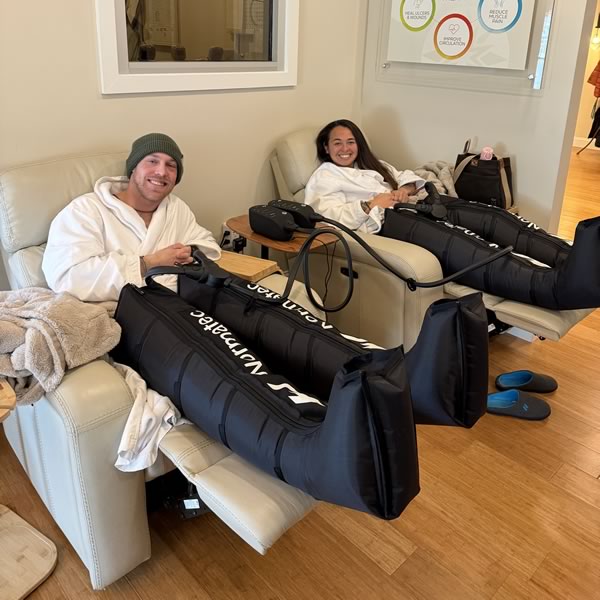

At a modern wellness center in 2026, a session starts with check-in and a brief health review. You change into loose, non-restrictive clothing, then staff fit you with leg sleeves (or a full-body suit for broader coverage). The device inflates chamber by chamber from the feet upward, creating a wave of targeted pressure that encourages lymphatic flow and venous return.
Typical pressure ranges start at 20 to 40 mmHg for beginners and can increase with experience and medical approval. Sessions run 20 to 30 minutes for newcomers and up to 45 minutes for experienced users. For severe cases, multi-layer compression can be worn for up to seven days under medical direction. Static compression supports tissue recovery and reduces edema between powered sessions, and compression garments are recommended post-surgery to minimize swelling.
During the session, you feel a firm, hug-like squeeze followed by rhythmic relaxation. Most people report lighter legs, looser-feeling joints, and visible reduction in ankle puffiness afterward. Pre-session tips: hydrate and avoid heavy meals. Post-session: take a short walk to capitalize on improved circulation and avoid tight clothing. Compression therapy pairs well with infrared sauna or red light therapy on the same visit when cleared by a clinician.
How Often Should You Use Lymphatic Compression Therapy?
Ideal frequency depends on your goals.
| Goal | Suggested Frequency | Typical Duration |
|---|---|---|
| General wellness, desk-related leg fatigue | 1-2 sessions per week | 20-30 minutes |
| Athletic recovery during heavy training | 2-4 sessions per week | 30-45 minutes |
| Chronic venous insufficiency or lymphedema | Medically directed; often daily for 4-8 weeks, then maintenance | 30-60 minutes |
| Post-surgical recovery | Per surgeon’s protocol | Varies |
Those recovering from surgery, managing a deep vein thrombosis history, or undergoing cancer treatment must follow medical advice from their surgeon or specialist. Consistency across multiple sessions yields better results than sporadic use: less end-of-day leg swelling, faster post-workout recovery, and better energy in the legs over time. Professional staff adjusts pressure settings and frequency as swelling, comfort, and concurrent therapies (physical therapy, IV hydration, anti-inflammatory lifestyle changes) evolve.
Frequently Asked Questions About Lymphatic Compression Therapy
Below are the questions clients ask most often, with answers based on clinical evidence and hands-on session experience.
How does lymphatic compression therapy actually improve circulation?
External pressure gently narrows superficial veins and encourages blood and lymph to move upward, which helps improve blood circulation back toward the heart. The chambers inflate sequentially from foot to thigh, creating a pump-like effect that enhances both venous return and lymphatic drainage.
Improving blood flow in veins (venous return) and moving lymphatic fluid through lymph vessels are related but distinct processes. Venous return reduces venous pressure and prevents blood pooling; lymphatic transport clears protein-rich fluid from tissues. Both matter for reducing swelling and leg fatigue. People often notice warmer feet, less tightness in calves, and a visible reduction in ankle puffiness after several sessions.
Can lymphatic compression therapy help prevent deep vein thrombosis (DVT)?
Medical-grade compression stockings and intermittent pneumatic compression devices are standard mechanical prophylaxis in hospitals to help prevent deep vein thrombosis. A 2026 meta-analysis of eight RCTs (1,775 patients) found that elastic compression stockings reduced total post-thrombotic syndrome risk by about 30% (RR 0.70). For the general public, compression therapy supports healthy blood circulation during long periods of sitting or bed rest but does not replace prescribed anticoagulant medications. Anyone with a history of deep vein thrombosis DVT, current leg pain and swelling, or recent surgery must consult their healthcare professional before starting compression. Pairing compression with movement breaks, calf exercises, and hydration strengthens clot formation prevention during travel or recovery.
What is the difference between compression socks and lymphatic compression boots?
Compression socks provide static, consistent pressure during daily wear. You might wear compression socks during workdays, flights, or long commutes to support better blood flow and reduce ankle swelling. Powered lymphatic compression boots deliver dynamic, sequential pressure during timed sessions, moving more fluid in 20 to 45 minutes than passive garments manage over hours.
Many clients combine both: wearing compression garments during the day and scheduling lymphatic compression therapy sessions several times per week for deeper recovery. Proper sizing and fit are critical for both formats to avoid constriction, skin irritation, or uneven pressure zones.
Is lymphatic compression therapy painful or uncomfortable?
Sessions should feel firm but comfortable, similar to a blood pressure cuff cycling at a lower intensity. Staff gradually increase pressure over the first few sessions so you find your own comfort range. If you notice numbness, tingling, toes turning white or purple, or sharp pain, pressure should be reduced immediately. Most people report feeling lighter, more relaxed, and sometimes slightly sleepy by the end.
Can I use lymphatic compression therapy while undergoing cancer treatment?
This must be coordinated with your oncology team, especially in the first year after surgery, radiation, or chemotherapy. For many patients, compression therapy becomes part of a lymphedema management plan after breast, pelvic, or abdominal cancer treatment, but only once cleared by specialists. Timing, pressure level, and areas treated need to be tailored to avoid aggravating sensitive tissues or active treatment sites. Bring recent imaging or notes from your physician when consulting about compression therapy for cancer-related swelling.
What should I do before and after a compression therapy session for best results?
Drink water beforehand, avoid heavy meals, and wear loose clothing around legs and waist. After the session, take a short walk to capitalize on improved circulation. Combining compression sessions with an overall anti-inflammatory lifestyle (adequate sleep, low-sodium meals, regular low-impact activity) amplifies results. If you use other services such as infrared sauna, red light therapy, or IV hydration, ask staff about the best service order for circulation and recovery.
Why Choose a Local Wellness Center for Compression Therapy
Receiving compression therapy in a dedicated wellness center provides professional screening, personalized pressure settings, and access to compression solutions that most people cannot replicate at home. Staff review medical history, discuss goals (athletic recovery, swelling control, longevity), and tailor each session accordingly.
A center like Bonfire Wellness in North Andover combines compression therapy with cryotherapy, IV vitamin and hydration therapy, peptide programs, infrared sauna, red light therapy, and anti-inflammatory lifestyle guidance, all under one roof. Staff track changes in swelling, performance, and comfort over time, adjusting pressure and integrating feedback from physical therapists or physicians. Membership and package options make scheduling multiple sessions per week practical, and stacking services in a single visit saves time for Merrimack Valley residents commuting into Boston. Local practitioners understand regional patterns (high school and collegiate athletics, seasonal training shifts, long winter commutes) and build compression routines around those realities.
Taking the Next Step With Lymphatic Compression Therapy
Lymphatic compression therapy offers a practical, effective method to improve blood flow, support faster healing, and ease daily leg fatigue. If you notice evening ankle swelling, heavy legs, slow workout recovery, or lingering post-surgical puffiness, a professional consultation is the right next step.
Schedule a visit at Bonfire Wellness in North Andover to review your health history, set goals, and design a safe, personalized compression plan. Bring a list of medications, any history of deep vein thrombosis or chronic venous insufficiency, and information about current medical conditions or recent surgeries. Book an assessment, explore membership or package options for ongoing recovery and longevity, and integrate compression therapy into a broader wellness strategy that supports long-term vascular and cellular health.