Table of Contents
- Cryotherapy vs Infrared Sauna: Quick Answer First
- Introduction: Why People Compare Cryotherapy and Infrared Saunas in 2026
- What Is Cryotherapy? (Whole-Body and Localized)
- What Is an Infrared Sauna and How Is It Different from a Traditional Sauna?
- Key Differences Between Cryotherapy and Infrared Sauna (At a Glance)
- Cryotherapy Benefits: When Extreme Cold Makes the Most Sense
- Infrared Sauna Benefits: Heat, Circulation, and Cardiovascular Health
- Cryotherapy vs Infrared Sauna for Mental Health, Mood, and Stress
- Combining Cryotherapy and Infrared Sauna: Contrast Therapy Protocols
- Safety, Risks, and Who Should Be Cautious
- What to Expect at a Session: Step-by-Step Experience
- Cryotherapy vs Infrared Sauna for Specific Goals
- FAQs: Cryotherapy vs Infrared Sauna
- Why Choose Our Local Wellness Center for Cryotherapy and Infrared Sauna
- Next Steps: How to Decide and Book Your First Session
Cryotherapy vs Infrared Sauna: Quick Answer First
Neither infrared sauna nor whole body cryotherapy is universally “better.” They support recovery and wellness through fundamentally different mechanisms, and the right choice depends on what you need right now versus what you are building toward over time.
- Choose cryotherapy if you need quick inflammation control after intense training, want a brief 2–3 minute session that fits a tight schedule, are dealing with a joint pain flare-up, or enjoy the rush of extreme cold.
- Choose an infrared sauna if you want 30–45 minutes of calm heat, you are focused on long-term cardiovascular health and stress relief, you prefer gentle warmth over extremely cold temperatures, or you are looking for improved sleep.
In many cases, the smartest strategy is to combine cryotherapy and infrared sauna through contrast therapy. The sections below explain exactly how, when, and for whom that approach works best.
Introduction: Why People Compare Cryotherapy and Infrared Saunas in 2026
In 2026, temperature-based recovery therapy has gone fully mainstream. Both cryotherapy and infrared sauna are popular recovery therapies used not just by elite athletes but by busy professionals, weekend runners, and people managing chronic inflammation in their daily lives.
If you are searching “cryotherapy vs infrared sauna,” chances are you have a specific problem: sore knees after your morning run, a stiff back from ten hours at a desk, poor sleep that no amount of melatonin seems to fix, or a general sense that your body feels chronically inflamed and sluggish. You want to know which treatment actually delivers real results for your situation.
What Is Cryotherapy? (Whole-Body and Localized)
Whole-body cryotherapy refers to brief exposure-typically 2 to 4 minutes-to extreme cold air inside a specialized chamber. Cryotherapy sessions typically last 2–4 minutes at temperatures between −100°C and −140°C. Some chambers keep the head above the enclosure (partial body cryotherapy), while others enclose you fully.
Here is what happens inside your body during those few minutes:
- Cryotherapy exposes the body to sub-zero temperatures for a short duration, triggering a “fight-or-flight” survival response. Rapid vasoconstriction pulls blood toward the core, skin temperature drops sharply, but core temperature stays stable.
- When you step out, vasodilation sends freshly oxygenated, nutrient-rich blood back into the tissues. Cryotherapy leads to systemic responses affecting blood flow post-session, which is where much of the recovery benefit originates.
- Cryotherapy triggers a 200–300% increase in norepinephrine, a neurotransmitter linked to alertness, focus, and pain signal reduction. Cryotherapy also activates cold shock proteins that contribute to recovery benefits at a cellular level.
Localized cryotherapy uses handheld devices or targeted units-often powered by liquid nitrogen or cold gas-to deliver cold therapy to a specific area, knee, shoulder, or lower back. This is useful when full-body cold exposure is unnecessary or when a practitioner wants to address a single trouble spot.
First-time clients typically feel intense cold and tingling, but the sensation is tolerable because the session is so short. Every cryotherapy session is supervised, with clear safety screening beforehand and protective socks, gloves, and ear coverings provided.
Commonly sought cryotherapy benefits include reduced muscle soreness after workouts, relief from joint pain, support for injury recovery, and a “post-session high” from increased norepinephrine and endorphins.
What Is an Infrared Sauna and How Is It Different from a Traditional Sauna?

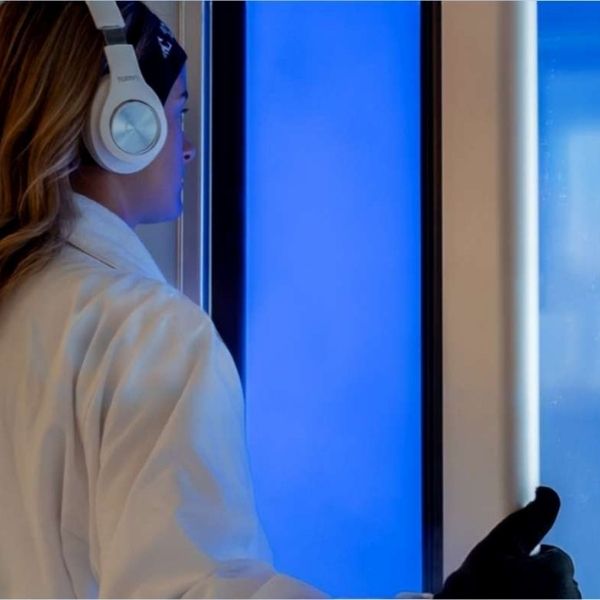
An infrared sauna is a cabin that uses infrared light-near, mid, or far wavelengths-to heat the body directly instead of heating the surrounding air. Infrared saunas use infrared light to heat the body directly, which means they operate at lower ambient temperatures than traditional saunas: generally around 50–60°C (roughly 120–150°F) compared to the 70–90°C (158–194°F) range of traditional saunas.
- Infrared wavelengths penetrate a few millimeters to centimeters into skin and muscle tissue, gently raising tissue temperature. This triggers deep sweating, improved circulation, and the release of heat shock proteins. Infrared saunas elevate core temperature, mimicking exercise effects like increased heart rate and circulatory responses.
- Traditional saunas heat the air around you, which can feel stuffy and harder to breathe in, especially during longer sessions. Many modern users in New England choose infrared sauna therapy for its comfort, longer session tolerance, and gentler breathing conditions.
Infrared sauna sessions last 20 to 45 minutes, with some protocols extending sessions to 35–50 minutes depending on goals and tolerance. The experience feels like sitting in a warm wooden cabin as gentle heat builds over 10–15 minutes, with soft lighting and quiet time for a mental reset-a stark contrast to the intense shock of body cryotherapy.
Key infrared sauna benefits at a high level include improved circulation, cardiovascular health support, muscle relaxation, joint stiffness relief, potential support for blood pressure regulation, and deep relaxation that aids sleep. Infrared sauna promotes detoxification through deep sweating, and many clients report feeling “lighter” afterward.
Key Differences Between Cryotherapy and Infrared Sauna (At a Glance)
Both therapies manipulate temperature, but in opposite directions. This creates very different experiences, timelines of effect, and ideal use cases.
- Temperature and duration: Cryotherapy uses extremely cold temperatures for 2–3 minutes. Infrared sauna uses moderate heat (50–60°C) for 25–45 minutes.
- Physiological focus: Cryotherapy triggers rapid vasoconstriction followed by vasodilation-a fast “pump and flush” that reduces acute inflammation. Infrared therapy drives gradual vasodilation, improved circulation, and heart-rate elevation similar to light cardio.
- Primary use cases: Cryotherapy shines for acute pain, post workout recovery, and soreness reduction. Infrared sauna excels at long-term cardiovascular health, improved circulation, and stress reduction.
- Speed of benefit: Cryotherapy provides immediate soreness relief post-exercise, often noticeable within minutes to hours. Infrared sauna benefits compound with regular use over time-days, weeks, and months of consistent sessions build cumulative results.
- Research maturity: Long-term cardiovascular data is more mature for sauna use (e.g., Finnish cohort studies spanning 20+ years), while cryotherapy research is newer and more focused on short-term soreness and inflammation markers.
The most useful question is not “which is better in general?” but “which is better for my specific goal at this specific time?” The sections below walk through common goals to help you decide.
Cryotherapy Benefits: When Extreme Cold Makes the Most Sense
Cryotherapy benefits are strongest in scenarios involving acute inflammation, pain spikes, or high-intensity training schedules. Here is where cold exposure earns its keep:
- Post-workout recovery and athletic recovery: Cryotherapy helps reduce acute inflammation and muscle soreness, allowing athletes and fitness enthusiasts to get back to training sooner. Research shows that cold therapy is particularly effective at suppressing creatine kinase (a marker of muscle damage) and improving perceived soreness within 24–72 hours. Cryotherapy provides immediate soreness relief post-exercise, making it a go-to for endurance athletes and anyone after intense training.
- Joint and tendon discomfort: Clients with knee, ankle, or shoulder issues often report temporary relief and easier mobility after cryotherapy treatments. Cryotherapy can increase norepinephrine levels by 200–300%, reducing pain signals and providing a window of comfort that makes physical therapy or active recovery more productive.
- Swelling and injury flare-ups: Cryotherapy reduces inflammation rapidly via cold-induced vasoconstriction, making it useful for managing post workout soreness after a weekend race or pick-up basketball game. It is often used for immediate pain relief and injury recovery.
- Mood and mental clarity: Cryotherapy can induce a release of endorphins, enhancing mood. Many clients describe a noticeable boost in alertness and focus after stepping out of the chamber.
- Metabolic effects: Cold exposure may activate brown adipose tissue and slightly increase calorie burn. The metabolism can be temporarily boosted following a cryotherapy session-one study found partial body cryostimulation raised resting energy expenditure by approximately 8% in lean women over five sessions. Cryotherapy can lead to a temporary metabolic increase after treatment, but this should support, not replace, nutrition and exercise for weight loss goals.
- Immune support: Research suggests cryotherapy can increase white blood cell counts, boosting immunity. It enhances immune function through repeated cold exposure sessions, though more research is needed on long-term effects on the immune system.
In colder climates like Massachusetts, structured cryotherapy is controlled and time-limited-very different from simply standing outside in January. Supervision, precise temperature calibration, and safety screening make all the difference.
Infrared Sauna Benefits: Heat, Circulation, and Cardiovascular Health
Infrared sauna therapy has some of the strongest evidence for long-term cardiovascular health, improved circulation, and stress management when used consistently several times per week.
- Cardiovascular health: Regular sauna use reduces cardiovascular mortality by up to 50% according to large Finnish cohort studies. Men using sauna 4–7 times per week showed a 47% lower risk of incident hypertension and a 63% reduction in sudden cardiac death compared to once-weekly users. Infrared saunas assist in cardiovascular health through increased circulation and may help lower blood pressure over time. Using infrared heat increases heart rate and circulatory responses, creating effects similar to moderate aerobic exercise.
- Improved circulation and muscle recovery: Infrared sauna increases circulation and oxygen flow to tissues, bringing warm, oxygenated blood to tight muscles and stiff joints. This makes infrared therapy especially helpful for desk workers and people with chronic tension who need to reduce muscle soreness without high-impact activity. Infrared saunas improve blood circulation and muscle recovery, and regular use can improve blood circulation and reduce pain.
- Sweating and detox support: Infrared sauna promotes detoxification through deep sweating. One study measured sweat loss at approximately 0.46 liters per hour during far infrared sessions. Clients often feel less puffy and more clear-headed afterward, though overclaiming “full detox” goes beyond what the evidence supports.
- Sleep and stress reduction: A key benefit of infrared saunas is their ability to reduce chronic distress. Infrared saunas promote relaxation by lowering cortisol levels, and infrared sauna sessions can enhance sleep quality and reduce stress. Thirty to 45 minutes of gentle heat in the evening can quiet the nervous system and meaningfully improve sleep.
- Skin and collagen production: Infrared saunas may promote healthier-looking skin by enhancing circulation and stimulating collagen production. Some clients combine sauna sessions with facials or red light therapy for compounding skin benefits.
- Accessibility across fitness levels: Infrared saunas work for both high-performing athletes and people who cannot yet tolerate intense exercise but still need cardiovascular support. Infrared sauna reduces systemic chronic inflammation over time, making it a versatile tool for broad populations. Whole body hyperthermia at these moderate temperatures is well-tolerated by most healthy adults.
Cryotherapy vs Infrared Sauna for Mental Health, Mood, and Stress
Interest in non-pharmaceutical tools for mental health support has surged since 2020, and both extreme cold and infrared sauna can be part of a broader stress-management strategy.
- Cryotherapy’s mental effects: The rapid norepinephrine spike from cold exposure creates increased alertness, a short-term mood lift, and mental clarity. This is helpful for people who want an energizing reset before a busy workday or after a long, draining week. The endorphin release can break cycles of fatigue and procrastination.
- Infrared sauna’s mental effects: The slower but deeper relaxation from infrared therapy supports those dealing with chronic stress, anxiety, or difficulty shutting off their mind at night. Lower cortisol over time, combined with the meditative quiet of a 30–45 minute sauna session, creates space for genuine mental health recovery.
- Important caveat: Neither therapy replaces therapy, medication, or medical care for clinical mental health conditions. Both can complement existing treatment plans when cleared by a provider. Exercise caution and always discuss new wellness treatments with your care team.
Practical ideas: try pairing an infrared sauna session with gentle breathwork for deep unwinding, or use an afternoon cryotherapy session to snap out of mid-day brain fog and restore focus.
Combining Cryotherapy and Infrared Sauna: Contrast Therapy Protocols
Contrast therapy involves alternating heat and cold to amplify circulation, recovery, and nervous-system balance. Combining infrared sauna and cryotherapy enhances recovery benefits beyond what either modality delivers alone, and this approach is gaining serious traction with athletes and wellness enthusiasts who want the best of both worlds.
- The common sequence: Start with an infrared sauna session (25–40 minutes), fully dry off and hydrate, then move directly into a 2–3 minute cryotherapy session to rapidly cool the body and tighten blood vessels. Using sauna first raises core temperature before cryotherapy, which primes the cardiovascular system for a more dramatic contrast effect.
- Why this order works: Heat first gently increases heart rate, promotes vasodilation and sweating, and the sauna’s heat helps alleviate pain before cold exposure. Then cold triggers powerful vasoconstriction and a “pump and flush” effect. Contrast therapy improves blood circulation and nutrient delivery to muscle tissue, enhancing circulation and supporting tissue repair.
- Frequency: Three combined therapy sessions per week is recommended for best results among active individuals. Others might add contrast sessions occasionally after intense events, always adjusting based on how their body responds. The optimal protocol depends on training load, recovery needs, and overall health status.
- Stacking with other services: Some clients also combine cryotherapy with compression therapy or red light therapy on the same day. A wellness center can help structure these wellness treatments in the safest, most efficient order for optimal recovery.
Safety, Risks, and Who Should Be Cautious
Both therapies are generally well-tolerated when supervised and used appropriately, but extreme temperatures are not right for everyone.
Cryotherapy caution: seek medical clearance if you have:
- Uncontrolled high blood pressure or severe hypertension
- Serious cardiovascular disease or unmanaged arrhythmias
- Raynaud’s phenomenon or cold allergies (cold urticaria)
- Peripheral vascular disease or certain neuropathies
- Open wounds or active infections
Infrared sauna caution-talk with your clinician first if you have:
- Unstable cardiovascular conditions, very low blood pressure, or recent heart attack
- Fever, active infection, or severe dehydration
- First-trimester pregnancy
- Sensitivity to heat or medications like diuretics or antihypertensives
Practical session safety:
- Hydrate before and after every sauna session. Wear dry socks and gloves in cryotherapy. Remove all metal jewelry.
- Listen to your body. End a session early if you feel dizzy, nauseous, or unwell.
- Reputable centers perform intake screening, ask about medications and cardiovascular history, and may adjust temperature or duration. Starting with one therapy before layering both is a common and smart approach.
What to Expect at a Session: Step-by-Step Experience
First-time anxiety almost always fades once you know exactly what will happen during body cryotherapy or an infrared sauna visit.
Typical cryotherapy appointment:
- Check in at the front desk and complete a brief health questionnaire covering cardiovascular history, medications, and cold sensitivity.
- Change into provided socks, gloves, and a robe (with dry undergarments or swimwear underneath).
- Staff explains the timing, asks you to rotate occasionally, and to remain in visual and verbal contact for the full 2–3 minutes. You can end early at any time.
- After exiting, warm up with light movement and hydration. Most people feel energized within minutes.
Typical infrared sauna visit:
- Complete intake and review your temperature preferences and session length.
- Change into light clothing or a towel, and bring water into the cabin.
- Heat builds gradually over 10–15 minutes. Staff may offer tips for breathing and relaxing, and you can listen to music, meditate, or simply sit quietly.
- Cool down afterward with a brief seated rest and hydration before heading back to your day.
Timing: A full sauna visit may take 45–60 minutes door-to-door, while cryotherapy can be as quick as 15–20 minutes including check-in. This makes each appealing to different schedules-busy professionals often choose based on how much time they have that day.
Cryotherapy vs Infrared Sauna for Specific Goals
Many readers have a main goal driving their search. Here are simple recommendations for the most common scenarios:
- Post-workout soreness and athletic recovery: Cryotherapy reduces inflammation and speeds up muscle recovery when used within a few hours of training. It is the stronger choice for reducing delayed onset muscle soreness. Use infrared sauna on off-days for improved circulation and muscle relaxation. Athletic performance can benefit from both modalities across a training week.
- Chronic stiffness from desk work or standing jobs: Prioritize infrared saunas for deep relaxation and improved circulation. Consider occasional cryotherapy for acute flare-ups of muscle pain or joint pain. Regular infrared sessions address chronic pain patterns more effectively than sporadic cold therapy.
- Cardiovascular health and longevity focus: Regular infrared sauna use is the stronger evidence-based choice. Sports medicine found that consistent sauna use multiple times per week produces the most significant reductions in cardiovascular risk markers, including blood pressure improvement.
- Mental health and stress relief: Infrared sauna for deep unwinding, improved sleep, and sustained stress reduction. Some people enjoy cryotherapy as an energizing “reset” that boosts mental clarity and breaks fatigue cycles.
- Weight management and metabolism: Both can slightly increase calorie burn, but weight loss outcomes depend primarily on lifestyle. Pair recovery therapy with anti-inflammatory habits, movement, and nutrition for meaningful results.
- Skin health: Infrared sauna supports collagen production and blood flow to the skin. Cold therapy can reduce inflammation-driven redness and puffiness. Many clients alternate both for a comprehensive approach.
A personalized wellness consultation can tailor session type, duration, and frequency to your health status and goals-these are general patterns, not prescriptions.
FAQs: Cryotherapy vs Infrared Sauna
Is cryotherapy or infrared sauna better for inflammation?
Cryotherapy excels at short-term, acute inflammation-like a fresh flare after intense exercise or a weekend game. It works through rapid vasoconstriction that limits swelling and numbs pain signals almost immediately. Infrared sauna therapy supports inflammation reduction over time by improving circulation, cardiovascular health, and stress levels. If you are dealing with chronic inflammation, consistent infrared sauna use is typically more effective. For a sudden flare, cryotherapy is your faster tool. Many people use both: cryotherapy for the acute episode, infrared sauna for ongoing systemic support.
Can I do cryotherapy and infrared sauna on the same day?
Yes. Many people safely combine cryotherapy and infrared sauna in a single visit when properly screened. The typical order is sauna first to warm tissues and increase blood flow, followed by cryotherapy for a powerful vasoconstriction contrast. Stay hydrated throughout, and listen to your body. If you are new to either modality, try them separately first before combining.
How often should I use cryotherapy vs an infrared sauna?
Active individuals often benefit from 2–3 cryotherapy sessions per week, especially during heavy training blocks. For cardiovascular and stress benefits, 3–5 infrared sauna sessions per week aligns with the frequency ranges shown to produce the strongest outcomes in published research (an international journal of sports medicine and major Finnish cohort studies). Personalization matters-people with medical conditions should get guidance from their provider.
Which option is better if I am short on time?
Cryotherapy is typically a 15–20 minute door-to-door commitment, while infrared sauna requires closer to 45–60 minutes. Busy professionals often choose cryotherapy on tight days and save longer sauna sessions for evenings or weekends. Some wellness centers offer express contrast protocols that fit both into under an hour.
Are these therapies safe if I have heart or blood pressure issues?
Some people with stable, well-managed conditions can use these therapies with medical approval. Others-particularly those with uncontrolled hypertension, recent cardiac events, or unstable angina-should avoid extreme temperature shifts. Share your full cardiovascular history during intake, and bring clearance from your cardiologist if you have any concerns. Centers with strong screening protocols will adjust temperature, duration, or recommend against a session when appropriate.
Will insurance cover cryotherapy or infrared sauna sessions?
In 2026, most U.S. insurance plans do not cover cryotherapy or infrared sauna as standard benefits. These are classified as wellness treatments rather than medical procedures. Visits are typically paid out of pocket, but wellness centers often offer memberships and session packages that make regular use-the kind of consistency that drives real performance benefits and long-term health improvements-significantly more affordable.
Why Choose Our Local Wellness Center for Cryotherapy and Infrared Sauna
Bonfire Wellness is an integrated recovery and longevity space in North Andover, Massachusetts, where both infrared sauna and body cryotherapy are offered under one roof alongside complementary services like compression therapy, IV hydration, red light therapy, peptide programs, oxygen therapy, and personalized wellness assessments.
- Experienced staff who understand how to match modalities to goals like improved circulation, recovery from local road races, or better sleep during dark New England winters.
- Personalized protocols that may combine cryotherapy with infrared sauna, compression, or other tools rather than offering a one-size-fits-all menu. Your optimal recovery plan accounts for your health history, fitness level, and what you actually want to feel better doing.
- Flexible memberships and session packages that support consistent sauna use and cryotherapy without locking you into rigid contracts-important because cardiovascular health and longevity benefits require regular, sustained sessions.
- Rigorous safety and screening, including clear conversations about medications, cardiovascular history, and tolerance to extreme cold or heat before your first session.
- Easy access from surrounding Merrimack Valley communities including Lawrence, Andover, Methuen, and Haverhill, with hours designed for both commuters and parents juggling packed schedules.
Next Steps: How to Decide and Book Your First Session
Both cryotherapy and infrared sauna can be powerful tools when used intentionally, and you do not have to make this decision alone.
- If you already know your main goal-whether that is cardiovascular health, faster muscle recovery, or improved sleep-start with the recommended therapy from the sections above, and consider adding the other modality later as your body adapts.
- If you are unsure, schedule a brief consultation by phone or in person. A wellness professional will review your goals, health history, and preferences, then suggest a simple starter plan-for example, one infrared sauna and one cryotherapy session in your first week so you can feel the difference firsthand.
- You can book online, call the front desk, or stop by the center in North Andover to explore memberships, first-time specials, and package options tailored to your recovery and longevity goals.
- Think of cryotherapy and infrared sauna not as one-time fixes but as ongoing tools to support energy, resilience, and overall health for the years ahead. The best results come from consistent, evidence-informed habits-and from having a team that helps you build them.