
Table of Contents
- What Is Whole Body Cryotherapy?
- How Whole Body Cryotherapy Works in the Body
- Key Whole Body Cryotherapy Benefits
- Who Can Benefit Most
- What to Expect During a Cryotherapy Session
- How to Prepare for Your First Treatment
- Risks, Side Effects, and Who Should Avoid It
- Whole Body Cryotherapy vs. Ice Baths
- FAQs
- Why Choose Our Wellness Center
- Book Your Cryotherapy Session
Introduction: Why People Are Turning to Whole Body Cryotherapy
Since the mid-2010s, whole body cryotherapy has moved out of Eastern European rehab clinics and into U.S. sports medicine facilities, wellness centers, and integrative health practices. Athletes use it to cut recovery time between training sessions. Adults with chronic pain or poor sleep use it to manage symptoms that haven’t responded well to conventional approaches alone. The benefits of cryotherapy draw attention because a single session takes two to three minutes, requires no medication, and can be done on a lunch break.
This article covers how a cryotherapy treatment works at the physiological level, which health outcomes are supported by clinical research, what the risks look like, and how the experience compares to ice baths and cold water immersion. Whole body cryotherapy is considered a complementary approach for recovery and wellness, not a replacement for medical care. The research is still maturing, but the practical experience from thousands of sessions in sports and clinical settings gives us a useful picture of what to expect.
What Is Whole Body Cryotherapy?
Whole body cryotherapy involves exposing the body to extremely cold dry air, typically between -110°C and -140°C (-166°F to -220°F), for two to four minutes. During a whole-body cryotherapy session, a person stands inside a cryotherapy chamber that circulates extremely cold air around the entire body while keeping the head and neck above the chamber’s top edge. Liquid nitrogen or electrically cooled systems bring the air down to ultra-cold temperatures.
This is different from localized cryotherapy, which is a local treatment applied to specific spots. Localized cryotherapy has been used to treat warts, skin tags, deep lumps, and even to destroy abnormal tissue, including some cancer cells. Whole-body cryotherapy treatment, by contrast, targets systemic responses; it is a recovery and wellness tool, not a targeted medical treatment for abnormal tissue.
Regulatory bodies such as the FDA have not approved whole-body cryotherapy as an effective treatment for specific health conditions. That said, WBC is offered in sports rehab centers, wellness spas, and integrative medicine clinics across the U.S. as a supportive service. Most practitioners recommend using it one to three times per week within a broader program that includes good sleep, nutrition, and movement.
How Whole Body Cryotherapy Works in the Body
A whole body cryotherapy session triggers a controlled cold shock response that involves the skin’s surface, blood vessels, hormones, and the nervous system. Skin temperature can drop by 5 to 15°C during a session, while core body temperature stays in a safe range because the exposure is so brief.
The immediate vascular response unfolds in two phases. First, rapid vasoconstriction narrows blood vessels in the skin and extremities, shunting blood toward vital organs to protect core temperature. After exiting the chamber, vasodilation reverses the process, increasing blood flow back to peripheral tissues. Cryotherapy triggers vasoconstriction and vasodilation in this sequence, reducing inflammation in the areas that receive the fresh wave of blood.
Cold exposure also activates the sympathetic nervous system, producing a fight-or-flight response. Norepinephrine and adrenaline spike temporarily, which explains the heightened alertness and mood lift many people report. The extreme cold slows down nerve signaling and lowers specific inflammatory markers. Cold exposure influences inflammatory signaling pathways affecting various conditions, from joint pain to mood disorders. Cryotherapy boosts cytokine proteins IL-6, IL-1Ra, and IL-10, shifting the body’s inflammatory balance toward anti-inflammatory signaling. Pain modulation comes from both nerve numbing and endorphin release. These physiological hormonal responses are well-observed in clinical settings, though long-term effects are still under investigation.
Key Whole Body Cryotherapy Benefits
The following benefits reflect what published studies and practical experience from sports medicine and recovery clinics have documented. Some appear after a single session; others build over a course of five to ten sessions.
Muscle recovery and soreness reduction. Extreme cold can lead to muscle recovery and soreness reduction, which is why athletes were the first to adopt WBC. Athletes may experience reduced muscle soreness after cryotherapy, and cryotherapy sessions may enhance recovery for athletes training at high volumes. A single cryotherapy session can treat muscle pain effectively, particularly delayed-onset muscle soreness (DOMS) from intense exercise. Whole body cryotherapy reduces inflammation and promotes muscle healing. Whole body cryotherapy can improve athletic performance by helping athletes maintain training loads without accumulating as much tissue damage. Cryotherapy can numb pain from acute injuries in athletes, offering short-term pain relief that allows continued movement-based rehab.
Chronic pain and arthritis. Individuals may experience temporary relief from pain and inflammation through cryotherapy. Whole-body cryotherapy can reduce pain in arthritis patients; small trials in rheumatoid arthritis and osteoarthritis report self-rated pain improvements of 20 to 40 percent after a course of 10 to 20 sessions. Cryotherapy can provide natural pain relief for weeks after treatment. Whole body cryotherapy can reduce inflammation for up to weeks post-treatment, giving people with chronic pain a window to increase their activity levels.
Inflammation and immune function. Cryotherapy improves antioxidant levels in the blood and shifts inflammatory markers in a direction associated with reduced tissue damage. The anti-inflammatory effects stem from changes in cytokine signaling described above. While some early research points to immune system stimulation through increased white blood cell counts, evidence is not strong enough to make broad medical claims about immunity.
Mood, stress, and mental health. People often report feeling energized and mentally refreshed after cryotherapy sessions. Cryotherapy triggers endorphin release, enhancing mood. Cryotherapy helps lower cortisol levels associated with stress. Whole-body cryotherapy can reduce symptoms of anxiety and depression. Regular cryotherapy may lead to long-term mood improvement when combined with consistent use over several weeks. These effects are relevant for anxiety disorders and mood disorders alike, though WBC should supplement, not replace, professional mental health care.
Sleep quality. Some studies suggest that regular cryotherapy sessions may help improve sleep quality. Cryotherapy can improve sleep quality, aiding mood enhancement in a positive feedback loop: better sleep reduces inflammation, which further supports recovery and well-being.
Metabolism and body composition. Cryotherapy boosts metabolism after cold exposure by activating non-shivering thermogenesis. Cryotherapy activates brown adipose tissue to burn fat. Cold exposure can decrease body fat by 2 percent in 6 weeks, though WBC alone is not a weight loss solution. It functions best as one part of an anti-inflammatory lifestyle.
Skin health. Whole body cryotherapy minimizes skin inflammation. Cryotherapy can alleviate symptoms of chronic skin conditions. Cryotherapy can treat atopic dermatitis effectively, with some patients reporting reduced flare frequency after repeated sessions.
Who Can Benefit Most from Whole Body Cryotherapy?

Whole body cryotherapy is not only for elite athletes. Properly screened adults across a range of ages and activity levels use it for different reasons.
- Runners and strength athletes with frequent training use WBC to reduce pain from muscle soreness and even acute injuries. A 40-year-old recreational runner doing two sessions per week during marathon training can maintain weekly mileage while keeping perceived recovery high.
- Adults with chronic pain conditions like osteoarthritis, chronic low back pain, or fibromyalgia. Whole body cryotherapy is often used to manage chronic joint pain. Cryotherapy can numb pain from irritated nerves, and cryotherapy helps alleviate discomfort from pinched nerves.
- Desk workers dealing with stiffness, stress, and poor sleep who want an efficient reset without a long time commitment.
- Midlife adults seeking energy and sleep support as part of a longevity-focused routine.
A single cryotherapy session can boost testosterone levels, which is one reason some strength athletes and men in their 40s and 50s add it to their recovery protocols. Cryotherapy can numb pain from acute injuries in athletes, but its perceived recovery benefits extend well beyond sports performance. WBC works best as one component of a broader program alongside good nutrition, movement, and sleep habits.
What to Expect During a Cryotherapy Session
A first-time whole-body cryotherapy session follows a predictable sequence:
- Check-in and screening. You fill out a health questionnaire. Staff check blood pressure and review your medical history to confirm you’re a good candidate.
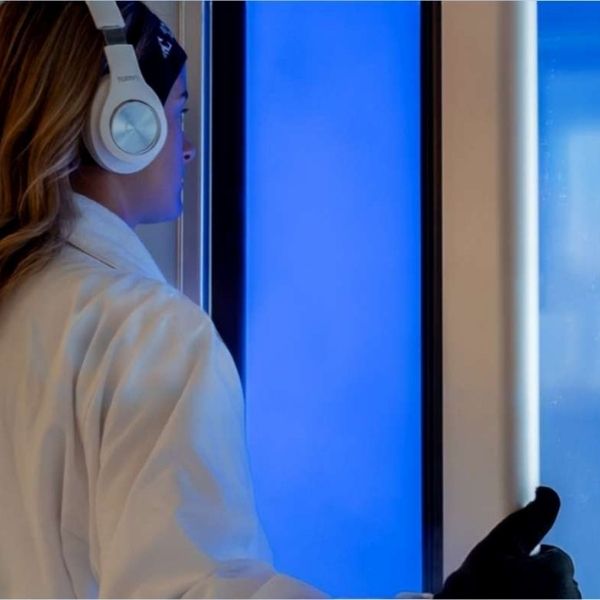
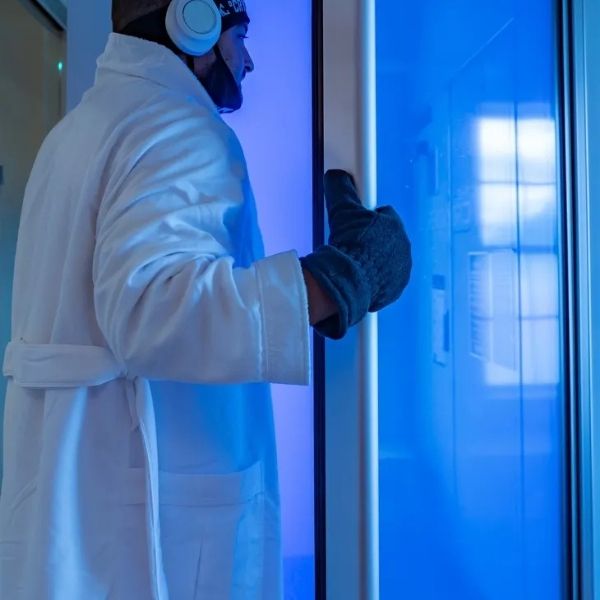
- Clothing and protective gear. You change into dry undergarments or a swimsuit. The center provides socks, slippers, gloves, and sometimes ear protection. All jewelry and metal must come off.
- Entering the chamber. You step into a pre-cooled cryotherapy chamber. The door closes, but staff monitors you continuously through a window and intercom. Sessions last two to three minutes in extremely cold temperatures.
- Physical sensations. You’ll feel bad cold on the skin and tingling, but the very cold air is dry, which makes it more tolerable than you’d expect. Most healthy adults describe it as invigorating, not painful. Staff talk you through breathing and movement.
- After the session. Skin redness and tingling fade within a few minutes. Most people feel a sense of alertness and a lighter mood. You can drive or return to work afterward.
The cold environment is intense but brief. There is no sudden and temporary loss of consciousness in well-screened, supervised sessions.
How to Prepare for Your First Whole Body Cryotherapy Treatment
Preparation is simple but matters for comfort and safety.
- Avoid heavy meals and alcohol for two to three hours before your cryotherapy session. Stay hydrated, but don’t over-hydrate.
- Bring dry underwear or a swimsuit. Avoid lotions, oils, or any moisture on the skin. Skin must be completely dry before entering the chamber.
- Remove all jewelry, piercings in the treatment area, and metal items (including underwire bras). Metal conducts cold and can cause skin injuries.
- If you have a chronic condition, bring a list of medications and any recent clearance from your doctor.
- Arrive 10 to 15 minutes early so you have time to ask questions and go through the screening process without feeling rushed.
Safety precautions are advised for cold exposure due to potential risks like frostbite; following these preparation steps keeps risk low.
Risks, Side Effects, and Who Should Avoid Whole Body Cryotherapy
Whole body cryotherapy is low risk for properly screened, healthy adults when administered by trained staff, but it carries side effects worth understanding.
Common, mild side effects include transient skin redness, tingling, temporary numbness in exposed areas, and short-lived shivering. These resolve within minutes.
Rare but serious risks include cold burns or frostbite if protocols break down, dizziness or fainting from blood pressure changes, and cardiovascular stress in people with underlying conditions. Differing patient responses to cryotherapy highlight the necessity of medical guidance before use.
Who should avoid WBC or get strict medical clearance:
- Uncontrolled high blood pressure or severe heart disease
- Recent heart attack or stroke
- Raynaud’s disease or cold-induced urticaria
- Severe anemia or uncontrolled epilepsy
- Pregnancy
- Active cancer treatment
Supervised, professionally maintained cryotherapy chambers with precise temperature control and continuous monitoring are non-negotiable. DIY cold exposure or unsupervised setups carry higher risk. If you have a medical history that includes any of the conditions above, discuss cryotherapy with your primary care provider first.
Whole Body Cryotherapy vs. Ice Baths and Cold Water Immersion
Ice baths and cold water immersion have been used in sports medicine for decades. WBC is a newer, higher-intensity form of cold therapy. Here is how they compare:
| Factor | Ice Baths / CWI | Whole Body Cryotherapy |
|---|---|---|
| Temperature | ~50-59°F (10-15°C) water | Down to -220°F (-140°C) very cold air |
| Duration | 10-15 minutes | 2-3 minutes |
| Medium | Water (high heat transfer) | Extremely cold air (lower heat transfer) |
| Depth of cooling | Deeper tissue cooling | Primarily skin surface cooling |
| Comfort | Wet, often uncomfortable | Dry, more tolerable for many |
| Equipment | Tub and ice packs | Specialized cryotherapy chamber |
Some research suggests cold water immersion cools tissue faster and deeper due to water’s heat transfer properties. WBC offers a faster, drier experience with potentially more even cooling around the body. Both can reduce muscle soreness and treat injuries, but they work through slightly different cooling dynamics.
How to choose: If you have access to supervised whole body cryotherapy treatment locally and prefer a quick, dry session, WBC fits well. If budget is tight and you tolerate water immersion, ice baths remain a viable option. Either way, avoid extreme cold exposure without understanding your personal contraindications.
FAQs About Whole Body Cryotherapy Benefits and Sessions
How many cryotherapy sessions do I need to see results?
Some people feel an immediate boost in mood or reduced muscle pain after the first body cryotherapy session. More stable benefits for sleep, chronic pain, and athletic performance typically appear after 5 to 10 whole body cryotherapy sessions over two to four weeks. Athletes in heavy training sometimes use WBC two to four times per week during demanding periods, then taper to maintenance. The ideal frequency depends on your goals, health status, and budget; trained staff can help you adjust.
Is whole body cryotherapy good for chronic pain?
Small clinical studies and practical experience suggest WBC helps some people with chronic pain conditions, including chronic low back pain and rheumatoid arthritis, by reducing inflammation markers and altering pain perception. Cryotherapy affects pain signaling in ways that offer relief lasting hours to days at first, becoming more consistent with repeated sessions. Involve your physician or physical therapist and treat WBC as part of a broader pain management plan.
Can cryotherapy boost my immune system?
Brief cold exposure can stimulate certain immune system components, including white blood cell production and anti-inflammatory cytokines. Some people report fewer upper respiratory symptoms during periods of regular use. The evidence is not yet strong enough to guarantee immune benefits for everyone. Prioritize sleep, nutrition, and stress management as your foundation, and consider cryotherapy a supplemental tool.
How safe is a cryotherapy session compared to an ice bath?
Both involve cold stress but differ in mechanism. WBC uses extremely cold air for a short time with continuous monitoring. Ice baths use much warmer water for longer but carry risk of hypothermia if unsupervised, particularly for people with underlying conditions. In a supervised setting, a cryotherapy session tends to be well tolerated due to strict time limits and dry exposure.
What should I wear during body cryotherapy?
Wear dry undergarments or a swimsuit plus the protective gear the wellness center provides: socks, slippers, gloves, and sometimes earmuffs. Remove all jewelry and metal. Ensure skin is clean and completely dry. Men may need additional protection in the groin area to shield against very cold temperatures. Staff reviews clothing choices before the session.
How long do the effects of one cryotherapy session last?
Acute effects like increased energy, lighter mood, or reduced muscle tightness can last a few hours up to a day. For goals like chronic pain relief, inflammation reduction, or improved sleep, therapeutic benefits build gradually with repeated sessions. Pay attention to how you feel over the 24 to 48 hours after each session to fine-tune your frequency and timing.
Why Choose Our Wellness Center for Whole Body Cryotherapy
Having cryotherapy sessions supervised by a trained, recovery-focused team matters more than the chamber itself. At Bonfire Wellness, every session begins with pre-session screening, blood pressure checks, and one-on-one supervision with strict time and temperature protocols.
What sets this center apart is integration. Cryotherapy benefits compound when paired with IV vitamin therapy, red light therapy, infrared sauna, compression therapy, or peptide programs. Staff builds recovery plans around your specific goals, whether that’s sports performance, chronic pain management, skin health, or longevity. Session length, frequency, and add-on services are adjusted based on how you respond.
Membership and package options make regular cryotherapy accessible for adults across the Merrimack Valley and North Andover area who balance work, family, and training. A 10-session package, for example, aligns with the clinical evidence for chronic pain and inflammation protocols.
Next Steps: How to Book a Whole Body Cryotherapy Session
If the health benefits of cryotherapy line up with what you’re working toward, start with a short assessment. Staff will review your medical history, goals, and any concerns to confirm that WBC is appropriate and to recommend the right combination of services, whether that includes body cryotherapy, infrared sauna, red light therapy, or compression.
Contact Bonfire Wellness by phone or online booking to secure a time that fits your schedule. First-time visitors are guided step by step through the entire process, from paperwork to stepping out of the chamber. Cryotherapy is a practical way to reduce pain, support your entire body, and recover faster so you can get back to the parts of your life that matter.