Table of Contents
- Why Athletes Rely on Cryotherapy for Muscle Recovery
- What Is Cryotherapy? From Ice Packs to Whole Body Chambers
- How Cryotherapy Supports Muscle Recovery and Reduces Soreness
- Key Physiological Effects: Inflammation, Circulation, and Mood
- Cryotherapy vs Ice Baths and Contrast Therapy
- When Cryotherapy Helps-and When It Might Not
- What to Expect in a Cryotherapy Session
- Safety, Risks, and Who Should Avoid Cold Therapy
- How Often Should You Use Cryotherapy for Muscle Recovery?
- FAQs About Sports Cryotherapy
- Why Choose a Professional Cryotherapy and Recovery Center
- Taking the Next Step
Introduction: Why Athletes Rely on Cryotherapy for Muscle Recovery
If you’ve ever finished a tough workout and woken up the next morning barely able to walk down stairs, you’ve met delayed onset muscle soreness. DOMS typically peaks 24 to 48 hours post-exercise and can linger for five to seven days depending on how hard you pushed. For runners logging high mileage, gym-goers chasing progressive overload, or weekend athletes playing back-to-back league games, that window of pain and stiffness can derail the next training session entirely.
That’s exactly why so many athletes swear by cryotherapy for muscle recovery. Cryotherapy-cold therapy applied therapeutically-reduces delayed onset muscle soreness and helps the body bounce back faster from exercise-induced muscle damage. It comes in two forms most people encounter: whole body cryotherapy, where you step into a chamber filled with extremely cold air, and localized cryotherapy, where cold is applied directly to a specific area like a knee or shoulder.
This article covers how the process works, what the research actually shows about inflammation markers and performance, when cold therapy helps versus when it might work against your training goals, and what a session looks like from start to finish.
What Is Cryotherapy? From Ice Packs to Whole Body Chambers
Cryotherapy is the therapeutic use of cold temperatures to manage pain, control inflammation, and support muscle recovery. It’s a nonpharmacologic, noninvasive tool used in sports medicine as an adjunct to rest, nutrition, and rehab-not a replacement for any of them.
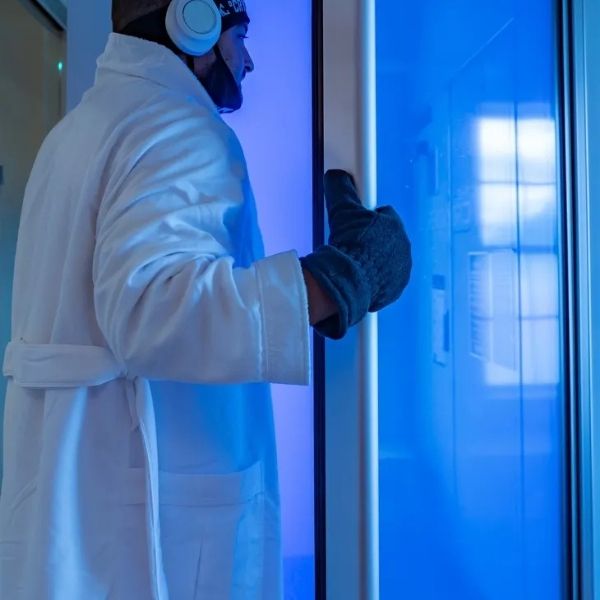
Whole body cryotherapy exposes the body to temperatures from −110°C to −195°C (roughly −166°F to −320°F) for two to four minutes inside a cryotherapy chamber. You stand in a space filled with nitrogen-cooled air while wearing minimal clothing and protective gear on your extremities. This is a fundamentally different stimulus than holding an ice pack on a sore quad.
Localized cryotherapy-sometimes called body cryotherapy or local cold treatment-targets a specific joint or muscle group with cold jets, pads, or wraps. Beyond these, cryotherapy can be performed using localized cold packs or ice baths at home.
Two other common methods fall under the cold therapy umbrella:
- Cold water immersion involves submerging the body in water below 15°C for 10 to 12 minutes, often in a tub or plunge pool.
- Contrast water therapy alternates between cold (around 15°C) and hot (around 38°C) water for 12 to 14 minutes across several cycles to stimulate microcirculation.
Each method delivers cold exposure differently, but the underlying goal is the same: use extreme temperatures strategically to help your body recover.
How Cryotherapy Supports Muscle Recovery and Reduces Soreness
When you step into intense cold, your body triggers a cascade of protective responses. Blood vessels constrict, nerve signaling slows, and the inflammatory response around damaged skeletal muscle tissue is temporarily dampened. After you exit, blood rushes back into warming tissues, carrying oxygen and nutrients while flushing out metabolic waste.
In practical terms, this means less swelling around the microtears that intense exercise creates, reduced pain signals reaching your brain, and faster perceived recovery between training sessions. Cryotherapy decreases plasma creatine kinase activity post-exercise; CK is a key marker clinicians use to gauge the severity of muscle damage. It also reduces muscle soreness and speeds up recovery time when used consistently.
Controlled studies on middle- and long-distance runners illustrate this well. In crossover trials where runners received whole-body cryotherapy immediately after exercise-induced muscle damage and again at 24, 48, and 72 hours, CK and C-reactive protein levels returned near baseline by roughly 48 hours. Passive recovery groups took closer to 96 hours to reach similar levels. Athletes report faster recovery between training sessions with cryotherapy, and vertical jump height-a proxy for neuromuscular readiness-rebounded more quickly in the cryotherapy group.
Cryotherapy accelerates recovery after intense workouts by using extreme cold exposure, but the most reliable benefits come with consistent, well-timed use rather than a single random session. Results can also vary by sport, training load, and individual physiology. Cold exposure reduces pain signals and muscle soreness regardless of these variables, but the magnitude of the effect depends on how the therapy fits your broader recovery strategies.
Key Physiological Effects: Inflammation, Circulation, and Mood

Cold exposure during cryotherapy reduces blood flow to inflamed areas through vasoconstriction-blood vessels narrow rapidly, limiting the delivery of fluid that would otherwise cause swelling. Once you step out and your skin begins rewarming, vasodilation following cold exposure rushes oxygen-rich blood back to muscles, carrying nutrients and clearing byproducts like lactic acid and other metabolic waste.
This two-phase circulatory response is what makes the treatment effective for managing the inflammatory response without shutting it down entirely. Whole body cryotherapy can lower inflammation markers effectively when sessions are repeated over days. Research on elite athletes completing repeated sessions showed that cryotherapy dampens the production of pro-inflammatory cytokines, reduces plasma C-reactive protein activity, and can interrupt the inflammation cycle in muscles. In one study, passive recovery led to a roughly 515% spike in CRP 24 hours post-exercise, while the cryotherapy group saw only a 123% increase before returning to baseline sooner.
Cryotherapy decreases muscle inflammation and soreness post-exercise through these combined mechanisms. Cold exposure slows down nerve conduction velocity, providing temporary pain relief-the same principle behind an ice pack on a sprained ankle, just applied across the entire body at extreme cold levels.
Beyond the physical, short bursts of cold exposure release endorphins and balance stress markers. Cold exposure can improve mood and energy levels post-exercise due to hormonal changes, including a norepinephrine surge that many clients describe as feeling “switched on” or unusually alert for hours afterward. These main benefits support both the physical and mental sides of recovery: less stiffness, better range of motion, and more willingness to get back into training.
Cryotherapy vs Ice Baths and Contrast Therapy
Many athletes and fitness enthusiasts compare whole body cryotherapy with cold water immersion and contrast therapy when choosing recovery strategies. Each has trade-offs worth understanding.
Ice baths-the classic form of water immersion-involve sitting in cold water (typically 10–15°C) for 10 to 15 minutes. They’re affordable, accessible, and proven to reduce perceived muscle soreness at 24 to 72 hours compared with passive rest. The downsides are real, though: the time commitment is longer, the discomfort can be significant, and cleanup at home is inconvenient if you’re doing it regularly.
Contrast therapy cycles between cold and warm immersion-roughly one to two minutes cold, one to two minutes warm- repeated over several rounds. A 2024 network meta-analysis of 57 randomized controlled trials and 1,220 participants found that contrast therapy ranked best for reducing CK (a biochemical marker of muscle damage), while cryotherapy ranked highest for relief of DOMS and neuromuscular recovery like jump height.
Cold therapy is effective for acute pain management and reducing immediate swelling after workouts regardless of the specific method. Evidence suggests that both whole body cryotherapy and cold water immersion reduce pain and muscle soreness, and the “best” option often comes down to practical factors:
- Choose whole body cryotherapy when you need a quick two- to three-minute session, want to avoid being wet, or need repeated treatments during a busy training week.
- Choose ice baths or cold water immersion when cost matters most, you have access to a tub, or you prefer a longer, more gradual cold exposure.
- Choose contrast therapy when your primary concern is clearing biochemical damage markers, and you enjoy the alternating stimulus.
When Cryotherapy Helps-and When It Might Not
Timing and training goals are the two variables that determine whether cryotherapy works for or against you. What reduces muscle pain today could theoretically slow down muscle strength gains over months if used indiscriminately.
Cryotherapy can limit inflammation-related signaling critical for muscle growth. Some of the body’s natural inflammatory response after resistance training is actually part of the adaptation signal-it’s how skeletal muscle rebuilds thicker and stronger. Using cold exposure beyond 12 hours post-workout may hinder muscle growth adaptations, and applying extreme cold immediately after every hypertrophy session could slightly blunt long-term protein synthesis.
That said, cryotherapy can enhance recovery from exercise-induced muscle damage in contexts where faster recovery matters more than maximum hypertrophy:
- Tournament weeks or back-to-back games where you need to perform again within 24 hours
- High-mileage training blocks for endurance athletes where cumulative soreness threatens consistency
- Whole body cryotherapy can improve athletic performance before competitions by reducing lingering soreness and improving neuromuscular readiness
- Periods of high training intensity where joint pain or muscle pain would otherwise force unplanned rest days
The physiological benefits of cryotherapy may be short-lived and provide symptom relief rather than speeding muscle repair at the tissue level. Cryotherapy may not significantly expedite official recovery markers like muscle repair or performance restoration in every context. Realistic expectations matter: one session can reduce soreness and improve how you feel, but lasting effects come from a broader recovery plan that includes sleep, nutrition, and load management. Injury management with cryotherapy should always be tailored to the specific injury and guided by medical advice.
What to Expect in a Cryotherapy Session for Muscle Recovery
Walking into a recovery center for your first session can feel unfamiliar, so here’s exactly what the process looks like from arrival to post-session.
Before entering the chamber, you’ll complete a health screening. Staff checks for contraindications such as uncontrolled high blood pressure, cardiovascular disease, Raynaud’s syndrome, or cold sensitivity. Your skin needs to be dry and free of lotions, oils, or sweat.
You’ll change into minimal clothing-undergarments or compression shorts-plus dry socks, gloves, and sometimes a headband or ear protection. Jewelry and any metal accessories are removed. The protective gear keeps extremities safe while allowing maximum cold exposure to larger muscle groups.
Inside the cryotherapy chamber, sessions last two to three minutes. Trained staff monitor the entire treatment. The first 30 to 60 seconds feel bracing as your skin adjusts to the extremely cold air, but breathing steadily and shifting your weight helps your body tolerate the intense cold. By the final minute, most people describe a numbing sensation that’s uncomfortable but manageable.
Immediately after stepping out, your skin begins warming, and you may feel a pleasant “pins and needles” sensation as blood flow returns. Many clients notice a mood lift and surge of alertness within minutes. From there, it’s common to combine cryotherapy with compression therapy, light mobility work, or gentle recovery cardio to extend the positive effects.
Safety, Risks, and Who Should Avoid Cold Therapy
Sports cryotherapy is generally well tolerated by most healthy adults, but extreme temperatures are still a physiological stressor that demands professional supervision. Cutting corners on safety-using unmonitored chambers, staying too long, or entering with wet skin-creates real risks.
Conditions that require medical clearance or may be contraindications include:
- Serious or uncontrolled cardiovascular disease, arrhythmias, or recent cardiac events
- Uncontrolled hypertension or blood pressure instability
- Severe Raynaud’s syndrome or peripheral vascular disease
- Uncontrolled diabetes with neuropathy
- Pregnancy
- Open wounds, active skin infections, or cold urticaria
If protocols are ignored, risks include skin burns, frostbite, dizziness, fainting, or blood pressure spikes. Reputable centers mitigate these risks with trained staff present during every session, strict time limits, gradual acclimation for new clients, mandatory safety gear, and immediate session termination if a client feels unwell.
Healthy adults-whether casual gym-goers, runners, or people with physically demanding jobs-can generally use cryotherapy safely. But anyone with a complex medical history should consult a clinician before starting, and sessions should be stopped immediately if unusual pain, numbness beyond expectation, or dizziness occurs.
How Often Should You Use Cryotherapy for Muscle Recovery?
Frequency depends on your training goals, current training intensity, and how your body responds. There’s no universal number, but research and practitioner experience point to useful ranges:
| Goal | Recommended Frequency |
|---|---|
| General wellness and joint comfort | 1–2 sessions per week |
| High-load athletic training | 2–3 sessions per week |
| Dense competition schedule | Up to 4–5 sessions per week |
| Brand-new to cryotherapy | Start with 1–2 sessions weekly |
New users should start with 1 to 2 sessions weekly and assess how their body responds over two to three weeks. Athletes may benefit from 3 sessions of cryotherapy weekly during hard training blocks. A competitive athlete in tournament play may require up to 5 sessions weekly for a short period. Cryotherapy should be done 2 to 3 times per week for most active adults seeking consistent recovery support.
More is not always better. Monitor your sleep quality, energy, soreness patterns, and performance. Use cold therapy more often when muscle soreness threatens training consistency, and less often directly after heavy strength sessions where long-term adaptations are the priority. Benefits are cumulative: a single session provides noticeable relief, but a structured three- to four-week block of well-timed sessions produces more reliable changes in how you feel and perform.
FAQs About Cryotherapy for Muscle Recovery
Does one cryotherapy session really make a difference for muscle soreness?
Many people feel noticeably less stiff and sore after a single session, especially when used within 24 hours post-exercise. That said, one session provides symptom relief-it won’t dramatically shift objective markers like creatine kinase or C-reactive protein on its own. Consistent use over several weeks yields more reliable changes in soreness patterns and perceived muscle soreness. Think of a single session as a snapshot of what’s possible and a multi-week commitment as the full picture.
Is cryotherapy better than an ice bath for post-exercise muscle recovery?
Both methods reduce DOMS and inflammation markers, and studies are mixed on which is definitively superior. Whole body cryotherapy is shorter (two to three minutes versus 10 to 15), drier, and often more comfortable for repeated use. Ice baths are cheaper and can be done at home. Individual preference, cold tolerance, and access usually determine which is “better” in practice. If you train frequently and value convenience, a cryotherapy chamber session fits more easily into a packed schedule.
How soon after a workout should I use cold therapy?
For high-volume conditioning or endurance work, using cryotherapy or cold water immersion within one to three hours post exercise can reduce muscle soreness effectively. If your primary goal is maximal hypertrophy, consider delaying cold exposure or skipping it after heavy strength sessions to preserve the body’s natural adaptation signals. A practical rule of thumb for most active adults: aim for one to three hours after exercise, adjusting based on your schedule and training goals.
Can cryotherapy help chronic joint pain as well as muscle recovery?
Cold treatment can temporarily reduce pain, stiffness, and swelling in joints affected by overuse or mild osteoarthritis. However, it does not cure the underlying condition. For more durable results, combine cryotherapy with strengthening exercises, mobility work, and weight management under expert guidance. Many clients use cold therapy as one piece of a broader plan for managing joint pain alongside their recovery routine.
Is cryotherapy safe if I’m not a competitive athlete?
Absolutely. Healthy adults-whether casual gym-goers, recreational runners, or people with physically demanding jobs-regularly use cryotherapy for recovery, stress relief, and general wellness. You don’t need to be an elite performer to benefit. What matters is a proper health screen, adherence to staff instructions, and medical clearance if you have cardiovascular or metabolic conditions. The therapy is designed to be accessible for most healthy adults, not just professional athletes.
Will using cryotherapy too often hurt my long-term muscle gains?
Evidence suggests that frequent, immediate post-lifting cold exposure may slightly blunt hypertrophy over months by suppressing the inflammatory response your muscles need to adapt. Pragmatic advice: reserve frequent sessions for phases where performance, soreness control, and faster recovery between competitions matter more than maximum muscle growth. During pure strength or hypertrophy phases, use cryotherapy selectively-perhaps after conditioning days or particularly grueling sessions-rather than after every single workout. Align your recovery strategies with your training goals and sample size your own results over several weeks.
Why Choose a Professional Cryotherapy and Recovery Center
Improvising cold therapy at home with a bathtub full of ice gets the job done occasionally, but it lacks the precision, safety infrastructure, and integration that a dedicated recovery center provides. Controlled temperatures in a properly maintained cryotherapy chamber deliver a consistent stimulus every session-something a bag of ice from the convenience store can’t replicate.
At Bonfire Wellness in North Andover, expert guidance means your protocol is tailored to your training load, injury history, and goals. Whether you’re prepping for a marathon, managing recurring muscle soreness from a physically demanding career, or recovering from a tough workout before your next rec league game, the approach adjusts to you. Complementary services like compression therapy, red light therapy, infrared sauna, and anti-inflammatory lifestyle programs can be layered into structured recovery plans-all under one roof. For active adults across the Merrimack Valley, having a trusted local resource for recovery eliminates guesswork and keeps you consistent.
Taking the Next Step: Is Cryotherapy Right for Your Recovery Plan?
Cryotherapy is a powerful tool for muscle recovery and pain relief when used at the right time, with realistic expectations, and as part of a broader strategy that includes sleep, nutrition, and smart load management. It’s not a magic cure, but for many athletes and active adults, it’s the difference between dragging through the week and actually showing up ready to train again.
Consider whether frequent muscle soreness, back-to-back training days, nagging joint pain, or plateaued performance due to poor recovery are holding you back. If any of those sound familiar, a structured trial of two to four weeks of consistent cold therapy is worth exploring.
Schedule a consultation at Bonfire Wellness to discuss whether cryotherapy fits your situation. Call to ask questions, book your first session, or visit in person to see how cold therapy, contrast therapy, compression, and other recovery services can work together in a plan built around your life and your goals.