Table of Contents
- Introduction: Non-Invasive Body Sculpting in 2026
- What Is Non-Invasive Body Sculpting?
- Who Is (and Isn’t) a Good Candidate?
- Benefits and Limitations
- How the Main Technologies Work
- Fat Freezing (Cryolipolysis)
- Heat-Based Technologies: RF, Laser, and HIFU
- Low-Level Laser Therapy and Red Light Therapy
- Injectable Fat Dissolvers
- Combination Protocols and Adjacent Therapies
- What to Expect Before, During, and After a Session
- Safety, Risks, and Common Mistakes
- Fitting Body Sculpting into a Holistic Wellness Plan
- FAQs
- Choosing a Provider
- Why Choose Our North Andover Wellness Team
- Book Your Consultation
Introduction: Non-Invasive Body Sculpting in 2026
Non-invasive body sculpting treatments have changed significantly in the past decade. What started as a narrow set of fat-freezing devices has expanded into a full ecosystem of energy-based and injectable technologies that allow targeting stubborn fat without downtime or surgical risk. In 2026, the global non-invasive body contouring market sits at roughly $9.4 billion, and demand continues to grow as devices improve and patients seek alternatives to cosmetic surgery.
These treatments are not a shortcut to lose weight or a substitute for structured medical weight management. They focus on targeted fat reduction and body contouring, meaning they reshape specific zones of your body rather than shifting the number on the scale. Common goals include smoothing a lower belly fat bulge, refining the flanks and love handles, tightening skin after modest weight loss, and feeling more confident heading into a vacation, wedding, or athletic season.
This guide covers every major noninvasive body contouring technology available today: fat freezing (cryolipolysis), radiofrequency energy, high-intensity focused ultrasound, low-level laser therapy, red light therapy, injectable options like deoxycholic acid, and combination protocols. You will learn who these treatments work best for, what realistic expectations look like, how to evaluate providers, and how to fit body sculpting into a broader plan for health and longevity.
If you live in North Andover or the wider Merrimack Valley, you already know that fitting health appointments around commuting, work, and family can be a challenge. The good news is that most non-invasive body sculpting procedures are office-based visits with minimal to no downtime and avoidance of general anesthesia, so you can walk out and drive home the same day.
What Is Non-Invasive Body Sculpting (Body Contouring vs. Fat Reduction vs. Weight Loss)?
Non-invasive body sculpting refers to energy-based or injectable treatments that reduce localized fat or improve skin quality without incisions, general anesthesia, or operating-room surgery. Instead of tissue excision, these procedures deliver controlled cold, heat, ultrasound energy, light, or biochemical agents through the skin surface to damage or shrink subcutaneous fat cells underneath.
It helps to understand three related but distinct concepts:
- Fat reduction means shrinking or eliminating fat cells in a specific treatment area. Technologies like cryolipolysis, focused ultrasound, and deoxycholic acid destroy fat cells permanently in a targeted zone.
- Body contouring is the broader goal of reshaping and smoothing your overall silhouette. This can include fat reduction but also skin tightening, cellulite softening, and improving skin texture.
- Weight loss addresses your overall body mass and metabolic health. It is typically managed through diet, exercise, medical therapies such as GLP-1 medications, or bariatric care. Non-invasive body sculpting does not treat obesity, but targets localized fat pockets that resist lifestyle efforts.
Results from non-invasive body contouring are measured in inches and visible contour changes, not dramatic shifts on the scale or BMI. Meta-analyses consistently show circumference reductions of roughly 2–4 cm in treated areas with minimal overall weight change. These procedures work best for people within roughly 10–25 pounds of their ideal weight who are frustrated by diet- and exercise-resistant stubborn fat deposits.
Here is a quick comparison of the spectrum:
- Surgical body contouring (liposuction, tummy tuck): a surgical procedure performed under anesthesia with incisions, tissue removal, and meaningful recovery time. Offers dramatic change.
- Minimally invasive treatments (microcannula approaches, tiny probe devices, injectable dissolvers): small needles or micro-incisions but no full surgery. Middle ground for results and recovery.
- Truly non-invasive body treatments (surface applicators, external energy devices): nothing breaks the skin. Comparing non-invasive options with surgical ones reveals a clear trade-off between downtime and immediate results.
Who Is (and Isn’t) a Good Candidate for Non-Invasive Body Contouring?
The ideal candidate for nonsurgical body sculpting is a generally healthy adult who has maintained a stable weight for at least three to six months, carries realistic expectations, and is motivated to maintain results with lifestyle habits afterward. This is not a primary weight loss solution. It is a refinement tool.
Common target areas include:
- Abdomen (upper and lower)
- Flanks (“love handles”)
- Inner or outer thighs
- Upper arms
- Back and bra-area fat rolls
- Under-buttock (“banana roll”)
- Under-chin (submental) for injectable or device options
Who should reconsider or avoid these treatments:
- People seeking a weight loss solution for significant overall body fat. If your BMI is well over 30, structured weight management should come first.
- Anyone with excess skin or severe skin laxity after massive weight loss. Non-invasive procedures are less effective for significant loose skin compared to surgical options like abdominoplasty.
- Specific contraindications: cold sensitivity disorders (for fat freezing), implanted pacemakers or defibrillators (for some radiofrequency energy devices), pregnancy, uncontrolled diabetes, or active bleeding disorders.
Consider someone like a 42-year-old parent from North Andover who is close to their goal weight but cannot get rid of a lower belly fat pocket despite consistent gym work and healthy eating after two pregnancies. That person, with good skin elasticity and stable weight, is a textbook candidate. An in-person body composition and skin quality assessment is always the right first step before choosing a modality, especially in a wellness-center setting where the goal is the right treatment, not the most expensive one.
Benefits and Limitations: What Non-Invasive Body Sculpting Can and Cannot Do
The appeal of nonsurgical body contouring is straightforward: no incisions, minimal downtime, and office-based visits that let you return to work or parenting the same day. Results appear gradually and look natural, which many people prefer to the sudden change that follows a cosmetic procedure like liposuction.
Realistic benefits:
- Measurable circumference reduction in treated areas, typically 2–4 cm per zone
- Smoother transitions between body regions (fewer visible bulges)
- Modest skin tightening and cellulite softening with certain technologies (RF, HIFU)
- Permanent fat cell loss with some modalities-frozen fat cells, focused-ultrasound-treated cells, and deoxycholic acid-dissolved cells do not regenerate
- Some non-invasive treatments enhance skin firmness and texture while improving fat appearance
Honest limitations:
- Results are usually mild to moderate. Average fat reduction is about 20% to 25% after treatment in the targeted zone, which is visible but not a replacement for aesthetic plastic surgery or large-volume liposuction.
- Non-invasive treatments usually require multiple sessions to achieve desired results, often three to six visits depending on the technology.
- Results from non-invasive treatments develop gradually as the body processes disrupted fat cells. Most patients see results within 6 to 12 weeks.
- Not a treatment for obesity, loose skin after significant weight loss, or excess skin that requires surgical excision.
- Safety and appropriateness depend on individual anatomy and goals for body sculpting treatments.
Photos on social media typically represent best-case outcomes. During consultation, a responsible provider should show you a range of before-and-after examples so you understand worst-, average-, and best-case scenarios for your body type.
How the Main Non-Invasive Fat Reduction Technologies Work
All modern non-invasive body contouring devices use one of a few core mechanisms to damage or shrink fat cells while sparing the skin surface, surrounding tissues, and deeper organs:
- Thermal (cold): Fat freezing / cryolipolysis uses controlled cooling and very cold temperatures to crystallize adipose tissue.
- Thermal (heat): Radiofrequency, laser, and high-intensity focused ultrasound deliver targeted heat into the fat layer.
- Photobiomodulation: Low-level laser therapy and red light panels use specific wavelengths to trigger fat cells to release their contents.
- Biochemical: Injectable fat dissolvers like deoxycholic acid chemically disrupt fat cell walls.
- Combination devices: Some platforms merge RF heating with muscle contractions or pair ultrasound with radiofrequency for dual benefit.
FDA clearance for non-surgical fat reduction usually applies to specific body areas, such as the flanks, abdomen, or submental region. Responsible clinics stick to those indicated zones. The sections below break down each technology’s process, safety profile, and expected results.
Fat Freezing (Cryolipolysis) for Localized Fat Reduction
Cryolipolysis is the most-studied non-surgical body contouring technology on the market. It works by applying controlled cooling through vacuum applicators to freeze fat cells to a temperature that triggers apoptosis (programmed cell death) without damaging the skin or muscle. Cryolipolysis freezes fat cells to reduce fat pockets, and over the following weeks, your body’s macrophages clear the debris naturally. Cryolipolysis received FDA clearance in 2010 for fat reduction.
How a typical session works:
- A vacuum applicator draws tissue into a cup-shaped device.
- The treatment area is cooled for approximately 35–60 minutes.
- The device is removed, and the area is briefly massaged to break up frozen fat cells and support clearance.
- You walk out and return to normal activities immediately.
Typical treatment areas include the lower and upper abdomen, flanks, outer thighs, inner thighs, upper arms, and back rolls. Under-chin protocols exist but involve thinner subcutaneous fat and may require careful applicator selection.
What clinical data shows: Cryolipolysis can reduce fat layer thickness by 20% to 25% over time. A 2025 meta-analysis of 30 studies and 3,158 participants found an average circumference decrease of roughly 3.45 cm and a fat-thickness reduction of about 3.56 mm in treated areas at 12 weeks. Non-invasive methods typically reduce fat by 20% to 25% per session in the targeted zone.
Safety considerations:
- Common side effects of body sculpting include temporary redness and swelling. In meta-analyses, approximately 50% of patients reported numbness, 44% redness, 30% edema, and 29% pain, all resolving within days to weeks.
- Paradoxical adipose hyperplasia can occur after CoolSculpting treatments, a rare event where the treated fat pocket thickens instead of shrinking. U.S. data recorded four instances across approximately 3,453 treatment cycles.
- CoolSculpting costs average $1,723 per treatment, though pricing varies by provider, location, and number of areas.
Fat freezing works best on “pinchable” stubborn pockets of subcutaneous fat. It is not designed to tighten skin or address fibrous tissue. Weight should remain stable afterward to preserve results.
Heat-Based Technologies: Radiofrequency, Laser, and High-Intensity Focused Ultrasound
Thermal devices use controlled heat to injure fat cells and, in many cases, stimulate collagen production in the dermis. This dual action makes them useful for both fat reduction and modest skin tightening.
Radiofrequency (RF) body contouring
Radiofrequency treatments heat fat cells to promote skin tightening while delivering a modest reduction in the fat layer. External applicators warm tissue to approximately 40–45°C, which most people experience as deep warmth. Sessions run 20–45 minutes, and most treatment plans call for three to six sessions. Radiofrequency treatments can achieve a 15-20% fat reduction per session while also stimulating collagen production for firmer, smoother skin. Side effects are generally mild: temporary redness, warmth, and occasional bruising. Devices that use radiofrequency energy require careful calibration, especially on darker skin tones, to reduce the risk of burns or pigmentation changes. Vanquish treatments can cost between $500 and $4,000, depending on the device, number of sessions, and body areas treated.
High-Intensity Focused Electromagnetic Technology is a newer category that combines radiofrequency heating with muscle contractions, targeting both the fat layer and abdominal muscles simultaneously. It is popular for core definition but sits outside the scope of pure fat reduction.
High-intensity focused ultrasound (HIFU)
Ultrasound fat reduction uses sonic waves to break down fat cells by creating tiny zones of coagulative necrosis in subcutaneous fat. Ultrasound cavitation applies low-frequency ultrasound waves to rupture fat cell walls, while focused HIFU directs energy more precisely. HIFU treatment can lead to a 2- 4 cm circumference reduction, and HIFU can decrease waist circumference by over 2 cm after treatment. A 2025 clinical trial of combined low-intensity focused ultrasound with RF showed per-zone circumference reductions of 2–3 cm and fat thickness drops of up to 35%.
HIFU treatments reported pain, ecchymosis, and swelling as common side effects, though these are typically mild and resolve quickly. Ultrasound fat reduction can lead to a 15-20% fat reduction per session for appropriate candidates, and ultrasound fat reduction costs range from $1,500 to $3,000 depending on area and protocol.
Non-invasive laser lipolysis
Laser fat reduction uses heat to break down fat cells through external diode-based applicators placed on the skin surface. Laser lipolysis uses diode laser technology to heat adipose tissue and disrupt fat cells without incisions. Laser fat removal can achieve a 15-20% reduction in body fat in the targeted zone, and results from laser fat removal are visible at about six weeks. It is important to differentiate this from minimally invasive laser liposuction, which involves tiny incisions and a probe inserted beneath the skin. This article focuses on the non-incisional external laser category for readers seeking non invasive body options. SculpSure treatments range from $300 to $1,500 per session.
Shared pros and cons of heat-based methods:
- Good for clients with slightly looser skin or mild skin laxity because heat helps stimulate collagen production and tighten skin
- Can treat larger treatment fields per session
- Require multiple treatment sessions and careful hydration and aftercare
- Mild discomfort during treatment, but no sedation required
Low Level Laser Therapy and Red Light Therapy for Body Sculpting
Low-level laser therapy and red light body contouring use light in the 635–680 nm range to interact with mitochondrial chromophores in fat cells. This energy creates temporary pores in fat cell membranes, allowing lipids to leak out and be metabolized by the body. Red light therapy triggers fat cells to release their contents, and red light therapy can shrink subcutaneous fat cells effectively over a series of sessions.
The key distinction here is that these treatments do not necessarily destroy fat cells. They shrink them. That means long-term maintenance depends heavily on nutrition, physical activity, and keeping your weight stable. If you gain body fat back, treated cells can refill.
In-session, you lie under paddles or LED panels for 20–40 minutes. The sensation is warm but not painful, and there is zero downtime. Protocols typically call for one to three sessions per week over two to six weeks. A six-week protocol in 54 participants showed a mean combined circumference reduction of roughly 5.4 inches across the waist, hip, thigh, and upper abdomen. A recent meta-analysis found waist circumference dropped approximately 2.48 cm versus 0.64 cm in controls, confirming that red light therapy can shrink subcutaneous fat cells significantly when used consistently.
Research on red light for body sculpting is less robust than for fat freezing or HIFU, so providers should present it as a gentle adjunct rather than a standalone miracle fix. That said, it pairs naturally with broader wellness services. In a recovery-focused wellness center, clients often combine red light sessions with infrared sauna, compression therapy, or localized cryotherapy for enhanced circulation and comfort.
Injectable Fat Dissolvers: Deoxycholic Acid and Other Minimally Invasive Options
While the focus of this guide is on non-invasive body techniques, injectable fat dissolvers represent a minimally invasive middle ground. There are no incisions involved, but tiny needle injections deliver a biochemical agent directly into the fat layer.
Deoxycholic acid is a synthetic version of a bile acid your body naturally produces to break down dietary fat. When injected into localized subcutaneous fat, most commonly under the chin, it disrupts fat cell membranes and leads to permanent fat removal in that area. Kybella is FDA-approved for reducing double chin fat and remains the most well-known brand in this category. Kybella can effectively reduce fat under the chin with injections, and each session takes about 20–30 minutes with multiple small injections in a grid pattern. Most patients need two to four sessions spaced about a month apart. Kybella injections average $640 per vial.
Expected side effects include:
- Significant swelling, tenderness, and bruising for several days (this is socially noticeable)
- Temporary numbness in the treatment area
- Precise dosing is critical; off-label large-volume body use in non-surgical settings carries higher risk
Wellness centers without on-site prescribing physicians may not offer deoxycholic acid and instead focus on device-based noninvasive body contouring. But informed consumers should understand this category exists, especially for stubborn under-chin fat that does not respond well to external devices alone.
Combination Protocols and Adjacent Therapies (Cryotherapy, Red Light, Compression, and More)
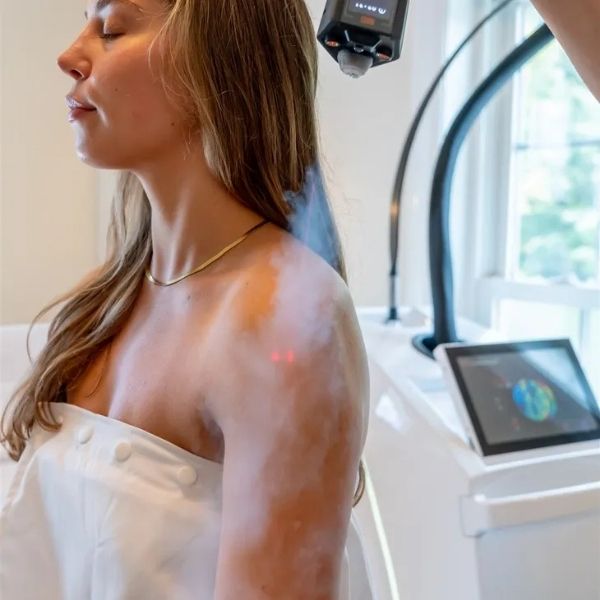
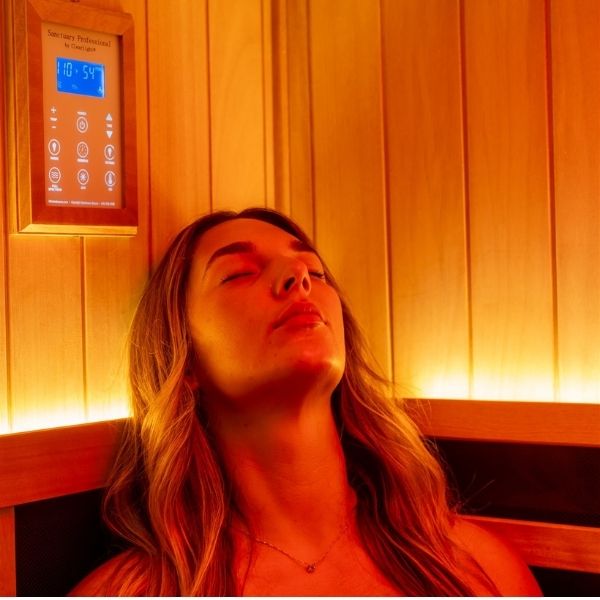
Modern body sculpting procedures often produce the best outcomes when fat reduction is combined with therapies that support circulation, recovery, and metabolic health. Rather than treating body contouring as a standalone cosmetic procedure, forward-thinking wellness centers are designing phased plans.
Examples of evidence-informed combinations:
- Fat freezing or RF followed by localized or whole-body cryotherapy to support inflammation control and post-treatment comfort
- Low-level laser therapy or red light sessions after thermal treatments to support microcirculation and improve skin texture
- Compression therapy to aid lymphatic drainage after non-surgical fat reduction sessions
- IV hydration or oxygen therapy to support cellular recovery
As of 2026, research on stacked protocols is still emerging, but early clinical experience suggests better skin texture and higher patient satisfaction when treatments are thoughtfully sequenced. A 2025 trial combining LIFU with RF showed not only fat thickness reductions but also a 9% increase in dermal thickness, indicating genuine skin tightening.
A practical phased plan might look like this:
- Assessment: Baseline photos, measurements, health intake
- Fat reduction series: Fat freezing or RF/HIFU, typically three to six sessions
- Skin and circulation support: Red light, infrared sauna, compression therapy between and after fat reduction visits
- Lifestyle coaching: Anti-inflammatory nutrition, hydration guidance, movement planning to maintain results
For a North Andover commuter, this could mean visiting once weekly for six to eight weeks, combining a body sculpting session with a same-day recovery service, and leaving feeling lighter and more energized each time.
What to Expect Before, During, and After a Non-Invasive Body Sculpting Session
Before your session:
Your first visit starts with a consultation. You will discuss your health history, current medications, problem areas, and goals. The provider should perform a physical exam to assess fat depth, skin laxity, skin elasticity, and any contraindications. This is when you receive a clear explanation of realistic outcomes, the recommended number of treatment sessions, costs, and timelines. No reputable provider should pressure you to commit on the spot.
During your session:
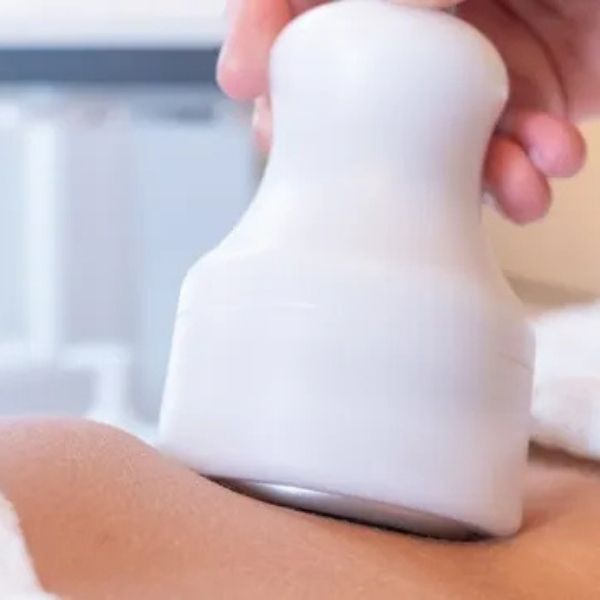
The provider marks your treatment zones and takes baseline measurements and photos. You lie on a treatment table while the device is positioned. For fat freezing, you feel a pulling sensation followed by intense cold temperatures that numb within a few minutes. For RF or HIFU, you feel deep warmth or sharp pulsing. For red light, you feel gentle warmth with essentially no discomfort. Operators monitor you throughout and adjust energy levels as needed. Sessions last 20–60 minutes depending on the technology and number of areas.
After your session:
Most patients walk out and drive themselves home or back to work. Normal short-term effects include redness, tenderness, or numbness in the treatment area. For fat freezing, numbness can last days to weeks. For RF or HIFU, mild warmth or occasional bruising is common. Your provider should give you instructions for hydration, light movement, and when to resume exercise.
Results are usually assessed at 6–12 weeks with repeat measurements and photos. A second series may be recommended depending on your goals and initial response.
Safety, Risks, and How to Avoid Common Mistakes
When performed with FDA-cleared devices by trained professionals, noninvasive body contouring has a strong safety record. But it is still a medical procedure, not a beauty gadget, and understanding the risks helps you make an informed decision.
Common, usually mild side effects:
- Temporary redness, swelling, and soreness at the treatment area
- Numbness or tingling lasting days to weeks after fat freezing
- Warmth or mild bruising after RF or ultrasound treatments
- For injectable options, swelling and bruising that can be socially noticeable for several days
Rarer complications:
- Paradoxical adipose hyperplasia with cryolipolysis (fat thickening instead of shrinking), documented in roughly 4 out of 3,453 treatment cycles in one U.S. dataset
- Burns or blisters from improperly calibrated heat-based devices, particularly on darker skin tones
- Irregular contouring if applicators are misapplied, especially in inexperienced hands
Mistakes to avoid:
- Choosing a provider solely based on discount pricing
- Treating when your weight is still rapidly fluctuating
- Expecting “one treatment, surgical-level results”
- Skipping follow-up visits and photos, which makes it hard to judge progress accurately
- Ignoring contraindications like cold sensitivity disorders or implanted electrical devices
Always ask your provider about the device brand, FDA clearances, operator training, and what emergency protocols exist if a complication occurs.
How Non-Invasive Body Sculpting Fits into a Holistic Wellness and Longevity Plan
Body sculpting is most effective and sustainable when it is integrated into a broader anti-inflammatory lifestyle focused on sleep, nutrition, stress management, and regular movement. Reducing stubborn fat deposits in one zone is satisfying, but maintaining results and feeling genuinely healthier requires more than a single cosmetic procedure.
Wellness centers that pair body contouring with recovery and metabolic support offer a distinct advantage:
- Nutrition and hydration guidance, especially around treatments
- Recovery modalities like IV hydration, red light therapy, infrared sauna, or oxygen support to enhance circulation and cellular health
- Coaching aimed at maintaining a stable, healthy weight so fat reduction results last long term
Example packages in descriptive form:
- Athletic Recovery and Sculpting: For runners or cyclists who want leaner outer thighs and improved recovery, combining RF or cryolipolysis with compression therapy and red light
- Post-Baby Core Refinement: Focusing on flanks, abdomen, and gradual strengthening in collaboration with a trainer or physical therapist
- Longevity and Recomposition: Pairing non-surgical treatment for stubborn pockets with peptide programs, sauna sessions, and metabolic coaching for someone in their 40s or 50s
This holistic approach also supports mental well-being and self-image. You are investing in long-term health and performance, not just short-term aesthetics.
Frequently Asked Questions About Non-Invasive Body Sculpting
These FAQs are based on common questions from real clients in 2024–2026 and are designed to give you quick, direct answers.
Does non-invasive body sculpting actually work?
Yes, but “work” means visible change in measurements and photos, not dramatic weight loss. Clinical evidence consistently shows that body sculpting procedures like cryolipolysis produce an average fat reduction of about 20% to 25% per treated zone, measured by ultrasound or calipers. HIFU studies show 2–4 cm circumference reduction in suitable candidates. Red light therapy produces more modest but measurable results over a series of sessions.
Outcomes depend on device choice, provider skill, the amount of excess fat in the area, and your habits afterward. These treatments reduce fat cells in the treatment area, but they do not change your overall body mass or metabolic profile.
How long do non-invasive body contouring results last?
When fat cells are destroyed through cryolipolysis, HIFU, or deoxycholic acid, those particular cells do not grow back. Results can be long-lasting as long as your weight stays stable. With low-level laser therapy or red light, fat cells shrink rather than die, so results are more sensitive to lifestyle and weight gain.
Major weight gain, pregnancy, or significant hormonal shifts can change contours again, even in treated areas. Remaining fat cells can expand. The best way to protect your investment is to maintain a stable weight through consistent nutrition and movement.
Is non-invasive body contouring painful or uncomfortable?
Sensations vary by modality:
- Fat freezing: Intense cold and pulling that usually numbs out within the first five to ten minutes. After the device is removed, you may feel tingling or achiness for a few days.
- RF and HIFU: Deep warmth or sharp pulses, typically managed by real-time energy adjustments and constant communication with your operator.
- Red light and LLLT: Typically painless warmth. Most people find it relaxing.
Most clients rate discomfort as mild to moderate. No sedation or strong pain medication is needed for any of these body sculpting procedures.
How many treatments will I need and when will I see results?
General ranges:
| Technology | Sessions per area | Spacing | Visible results timeline |
|---|---|---|---|
| Fat freezing | 1–3 | 6–8 weeks apart | 8–12 weeks |
| RF / HIFU | 3–6 | 1–2 weeks apart | 6–12 weeks |
| Red light / LLLT | 6–12 | 1–3 per week | 4–8 weeks |
Some people notice change as early as 3–4 weeks, but the most reliable results are seen around 8–12 weeks after the final session. Multiple treatment sessions are almost always needed to achieve desired results.
Is non-invasive body sculpting safe for everyone?
While generally safe, these treatments are not for everyone. Major exclusions include pregnancy, certain autoimmune or bleeding disorders, uncontrolled diabetes, cold sensitivity disorders (for cryolipolysis), and implanted electrical devices (for some RF systems). A full medical intake is essential before beginning a series, and some providers may request clearance from your primary care physician or specialist.
How much does non-invasive body contouring cost, and is it worth it?
Pricing varies by technology, provider, and region. Here are rough national benchmarks:
| Treatment | Typical cost range |
|---|---|
| CoolSculpting (cryolipolysis) | ~$1,723 per treatment average |
| SculpSure (laser) | $300–$1,500 per session |
| Vanquish (RF) | $500–$4,000 |
| Ultrasound fat reduction | $1,500–$3,000 |
| Kybella (per vial) | ~$640 per vial |
Rather than evaluating cost per session, think in terms of cost per result. A well-planned series of treatments that delivers a lasting, confidence-boosting change in your silhouette is more valuable than cheaper, scattered single sessions that never reach a visible threshold. Ask about bundled package pricing and whether adjunct services like red light therapy or compression are included.
Choosing a Provider for Non-Invasive Body Sculpting in Your Area
What to look for:
- Licensed medical oversight and properly trained operators
- Use of FDA-cleared devices for the specific body area being treated
- Clear, transparent treatment plans and pricing, with no hard-sell bundles before a proper assessment
- Willingness to show a range of before-and-after photos, not just best-case results
If you are in North Andover or the broader Merrimack Valley, prioritize convenience: easy parking, appointment times that fit commuter schedules, clean and professional facilities, and a consultative approach rather than aggressive sales tactics.
Questions to ask during consultation:
- How many years have you been using this device?
- How do you decide which technology is right for me?
- Can I see before-and-after photos of people with a body type similar to mine?
- What measurement methods do you use to track my progress?
A wellness-focused center that can also address recovery, inflammation, and lifestyle offers more value than a single-focus plastic surgery or cosmetic procedure practice, especially if your goal is sustainable results.
Why Choose Our North Andover Wellness Team for Non-Invasive Body Sculpting
Our North Andover wellness center approaches non-surgical body contouring differently than a typical medspa or aesthetic plastic surgery office. We are built around science-based recovery and longevity services, which means body sculpting is one piece of a larger health picture, not an isolated vanity service.
What sets our approach apart:
- We offer an integrated service ecosystem: cryotherapy, red light therapy, infrared sauna, compression therapy, IV hydration, peptide programs, and anti-inflammatory lifestyle coaching. When you add body sculpting, these existing services support your circulation, recovery, and long-term results.
- Every treatment plan is customized. We start with a detailed intake, body composition assessment, and baseline measurements. Technology is matched to your fat distribution, skin quality, and goals, not pushed based on what costs the most.
- Our team sequences treatments thoughtfully. Fat reduction sessions can be paired with same-day recovery modalities, so you leave each visit feeling better, not just treated.
Local relevance:
- Conveniently located for residents of North Andover, Andover, Lawrence, Methuen, and the wider Merrimack Valley
- Flexible scheduling, including evening and weekend options for commuters and busy parents
A typical experience might look like this: you arrive for a body sculpting session targeting your flanks, then follow it with a compression therapy session to support lymphatic drainage. You walk out feeling lighter, warmer, and energized, ready to pick up the kids or finish your workday.
Next Steps: How to Book a Consultation for Non-Invasive Body Sculpting
If you have been considering non-invasive body sculpting and you are within three to six months of wanting to start, the next step is simple: schedule a one-on-one consultation.
Here is what to do:
- Call our North Andover wellness center or use the online booking system to set up your visit
- Bring your questions, a current medications list, and a sense of your target timeline (wedding, vacation, athletic season, or simply feeling better day to day)
- Expect a combination of education, measurement, and collaborative planning, not pressure to commit on the spot
We welcome anyone from North Andover, Andover, Lawrence, Methuen, Haverhill, and beyond to visit the space, meet the team, and determine whether a personalized non-invasive body sculpting plan aligns with your health and aesthetic goals.
Non-invasive body contouring is one tool among many for feeling better in your body. When paired with thoughtful recovery, nutrition, and movement, it becomes part of a lasting investment in your health, confidence, and performance, not just a quick fix. If you are ready to explore what is possible, reach out and let us help you build a plan that actually works.