People across North Andover search for red light therapy near me when they want real solutions for pain relief, muscle recovery, skin health, and better sleep. This guide covers the science, safety, session details, and local factors that help Merrimack Valley residents get the most from every visit.
Table of Contents
- What You Need to Know First
- What Is Red Light Therapy? The Science Behind the Glow
- The Top Benefits of Red Light Therapy for Everyday Life
- Is Red Light Therapy Safe?
- What to Expect at Your First Session
- How Often Should You Use Red Light Therapy?
- Combine Red Light Therapy with Other Wellness Services
- Who Benefits Most Near North Andover?
- Frequently Asked Questions
- Why Choose Our North Andover Wellness Center
- Start Your Red Light Therapy Journey
Red Light Therapy Near Me: What You Need to Know First
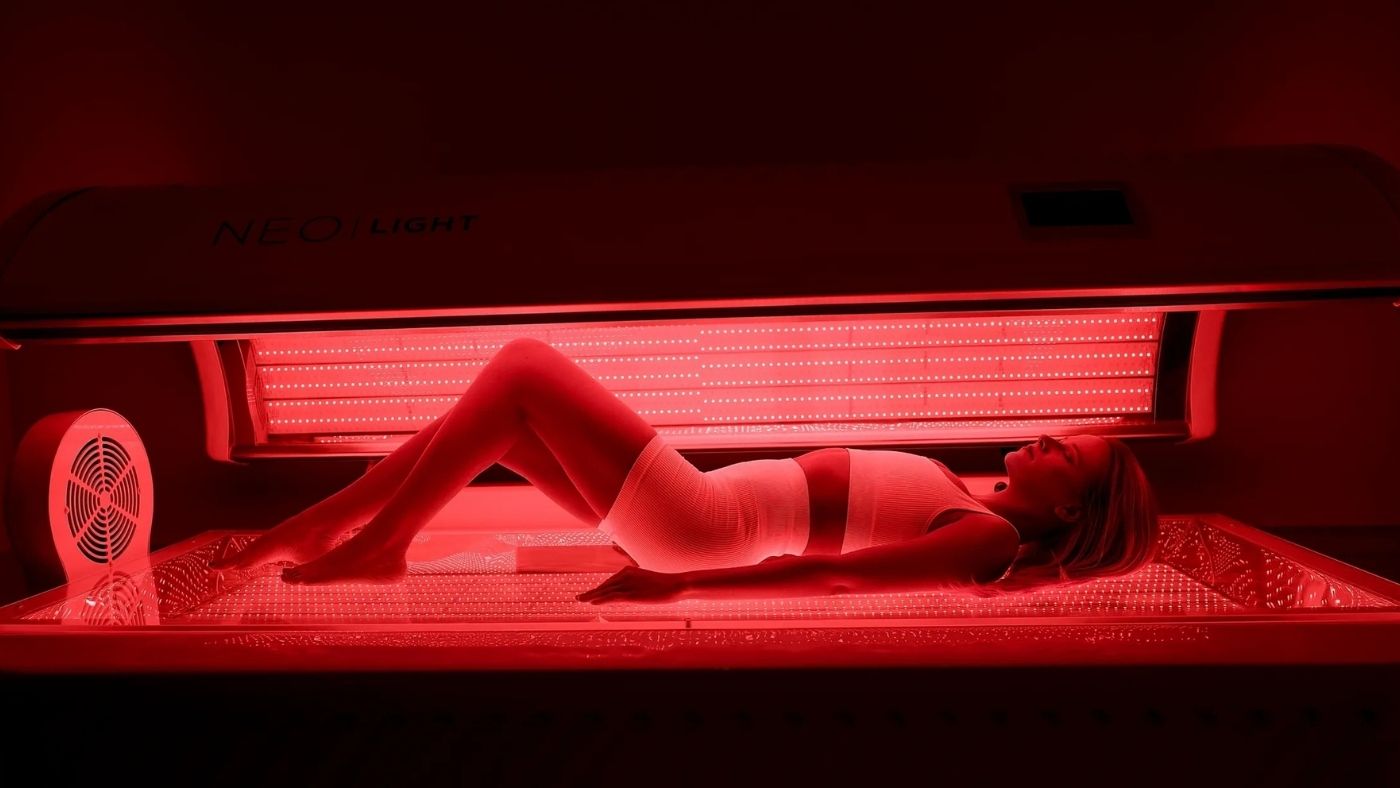
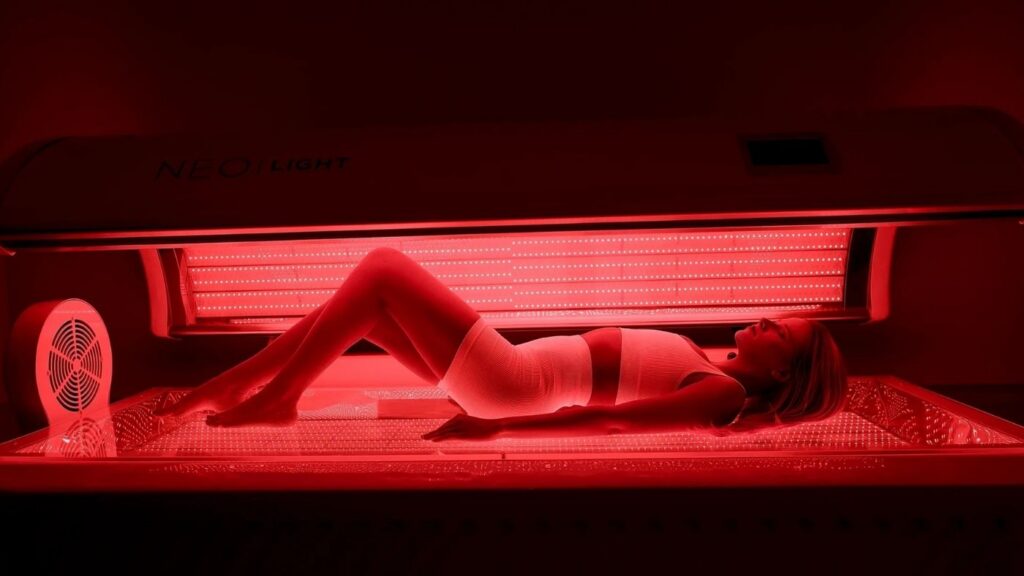
Residents of North Andover, Andover, Lawrence, and the broader Merrimack Valley have access to professional red light therapy sessions designed for pain management, skin rejuvenation, supporting muscle recovery, and improved sleep quality. A typical session lasts 10 to 20 minutes: you lie or sit while panels of red and near-infrared light bathe the treatment area. There is no downtime, no recovery period, and no UV exposure.
Location matters because red light therapy works through consistency. Choosing a center close to home, work, or your gym makes it realistic to maintain the two to five weekly sessions that produce lasting changes. A center off Route 114 or near the Merrimack College area, with parking and flexible hours, removes the friction that causes people to abandon their red light therapy journey after the first week.
This article focuses on in-studio, professional light therapy rather than consumer-grade home gadgets. You will learn how red light therapy works at the cellular level, what results are realistic, and how to evaluate a local provider.
- Easy access from I-495, Route 125, and Route 114
- Parking availability for quick lunchtime or post-work visits
- Early morning and evening hours that fit commuter schedules
- Professional-grade equipment that delivers consistent, measurable output
What Is Red Light Therapy? The Science Behind the Glow
Red light therapy uses specific wavelengths of red and near-infrared light, typically ranging from 600 nm to 900 nm, to stimulate cellular activity and support the body’s natural healing processes. Specific light wavelengths are used for different therapeutic effects: wavelengths around 630 to 660 nm target surface-level tissue (skin, shallow wounds), while near-infrared light around 800 to 850 nm penetrates deeper into muscle, joints, and connective tissue.
The therapy penetrates the skin to trigger biological responses in cells. Inside your cells, mitochondria contain a protein called cytochrome c oxidase that absorbs these photons. When activated, this protein boosts ATP production in mitochondria for energy, increasing cellular energy production and restoring normal cellular function. In cultured muscle cells, researchers measured peak ATP and mitochondrial activity at 3 to 6 hours after a single exposure at roughly 2.5 J/cm². Red light therapy also reduces inflammation and oxidative stress by modulating reactive oxygen species and nitric oxide signaling.
Red light therapy is non-invasive and UV-free. Unlike tanning beds, which emit ultraviolet radiation linked to skin cancer, red light panels produce no UV light and do not burn or tan the skin. The technology traces back to NASA-funded research in the late 20th century on wound healing and has since expanded into clinical, sports, and spa environments worldwide.
The Top Benefits of Red Light Therapy for Everyday Life
The benefits of red light therapy are cumulative. Most clients notice subtle shifts in the first week or two; visible, measurable changes in pain, skin, or sleep typically emerge over three to six weeks of regular sessions. Red light therapy can be offered for various goals, including skin appearance and recovery, and the therapy promotes faster cellular proliferation and tissue remodeling across multiple tissue types.
Core benefit areas include:
- Pain relief and natural pain management
- Muscle recovery and athletic recovery
- Skin health, collagen production, and anti-aging
- Improved sleep quality and relaxation
- Mood, more energy, and whole-body wellness
- Wound healing and tissue repair
Pain Relief and Natural Pain Management
Red light therapy helps manage symptoms of osteoarthritis and joint stiffness by reducing inflammatory markers (IL-6, TNF-α) at the tissue level and supporting tissue repair in damaged cartilage and tendons. Systematic reviews of tendinopathy studies report improved pain scores and function at energy densities around 4 to 6 J/cm² per area, two to three times per week.
Typical use cases: someone with chronic pain in the knees after years of running on the Merrimack River trail, a desk worker with low-back tension from sitting eight hours a day, or an adult managing arthritis pain in the hands or shoulders. This noninvasive treatment is drug-free and fits alongside existing pain management plans; clients with complex health concerns should coordinate with a healthcare professional.
One pattern clients describe after four to six weeks of consistent sessions: easier movement in the morning, fewer pain flare-ups during the workday, and less reliance on over-the-counter anti-inflammatories.
Muscle Recovery, Sports, and Active Lifestyles
Athletes and active adults use red light therapy to support muscle recovery after strength training, pickleball, cycling, or high-intensity classes. A 2024 meta-analysis of randomized controlled trials found moderate to large effect sizes for muscle endurance and reduced creatine kinase (CK) and lactate dehydrogenase (LDH) values; a 2026 CrossFit trial showed that photobiomodulation combined with static magnetic fields outperformed passive recovery, compression, and shockwave therapy at 24 and 48 hours post-workout for power output and oxidative stress markers.
This therapy alleviates joint inflammation and muscle soreness, reducing delayed-onset muscle soreness and improving readiness for the next session. Scheduling red light treatments before or after gym visits works well for people training for local 5Ks, high school sports seasons, or weekend leagues. Reduced recovery time translates to fewer missed workouts and lower injury risk over time, including for sports injuries that linger between training cycles.
Skin Health, Anti-Aging, and Confidence
Red light therapy promotes collagen synthesis for improved skin elasticity and enhances circulation for better nutrient delivery to skin cells. Over time, consistent sessions stimulate collagen production in the dermis, leading to firmer skin, fewer fine lines, and a more radiant complexion. The therapy reduces fine lines and wrinkles over time with consistent use, and it treats inflammatory skin conditions like acne by reducing fine lines and calming active breakouts simultaneously.
Red light therapy improves skin texture and reduces fine lines across the face, neck, and chest. Realistic timelines: subtle glow and plumpness within seven to ten days, more noticeable changes in overall skin tone and skin elasticity over four to eight weeks. Red light therapy may also enhance hair growth and scalp health, with emerging research supporting hair regrowth in cases of pattern thinning. For skin rejuvenation without downtime, this is a practical option for professionals in the Merrimack Valley who want to look refreshed without interrupting busy schedules; the result is improved skin health and reduced stretch marks over sustained use.
Improved Sleep Quality and Relaxation
Red light therapy improves sleep quality by regulating circadian rhythms. A 2026 meta-analysis of five randomized controlled trials (roughly 240 participants) found that photobiomodulation improved Pittsburgh Sleep Quality Index scores by about 1.25 points versus sham over approximately four weeks. Some trials documented melatonin onset shifting earlier by roughly 30 minutes.
Clients describe the session experience as calming: warm light, a quiet room, deep breathing, and a shift from a stressed state into relaxation. A commuter who deals with I-495 traffic and uses evening sessions two to three times per week can restore balance before bed, supporting better rest. Better sleep quality ripples into improved energy, mood, and pain resilience during the day.
Mood, Energy, and Whole-Body Wellness
Increased cellular energy and reduced discomfort support mood, mental clarity, and mental well-being. Clients who maintain regular sessions often report feeling less brain fog and more mental sharpness, though these effects are indirect; red light therapy stimulates cellular function and the body’s natural processes, which creates a foundation for better daily function.
Red light therapy differs from traditional bright-light therapy for seasonal affective disorder. Bright-light boxes emit broad-spectrum white/blue light at 10,000 lux to suppress melatonin in the morning; red light therapy operates at lower intensities and specific wavelengths that target mitochondria in skin and brain cells rather than the retinal photoreceptors that control circadian timing. Early research suggests potential benefits for immune function and long-term cellular health, though these findings need larger trials. Pairing sessions with walking trails, anti-inflammatory eating, and good hydration habits strengthens the whole-body wellness effect.
Is Red Light Therapy Safe? What You Should Know Before You Go
Red light therapy is generally considered safe with minimal risks when delivered with professional-grade devices and proper protocols. It is considered safe when properly administered and does not induce DNA damage, unlike UV light. FDA clearance indicates that red light therapy devices are safe for specific uses, including pain relief and skin conditions. The therapy is UV-free and safe for year-round use.
Some individuals may experience mild irritation or mild redness post-treatment; these are typically transient and resolve within hours. Safety practices in red light therapy include proper eye protection and hygiene. Eye protection is required during red light therapy sessions, especially with full-body panels or facial treatments.
Who should seek medical clearance first:
- Patients with photosensitivity disorders should consult clinicians before undergoing red light therapy; red light therapy is not suitable for individuals with photosensitivity
- People taking photosensitizing medications (certain antibiotics, retinoids)
- Individuals with a medical history of skin cancer
- Pregnant clients who want OB approval
- Anyone with uncontrolled chronic conditions or active adverse reactions to light-based treatments
A reputable center screens every client’s medical history and adjusts direct exposure, session length, and frequency accordingly. Medical professionals should be consulted for complex cases.
What to Expect at Your First Red Light Therapy Session
When you walk in for your first appointment, the process is straightforward:
- Check-in and intake. You complete a short form covering your goals (pain relief, muscle recovery, skin rejuvenation, improved sleep), current medications, and any health concerns. Staff reviews your medical history to screen for photosensitivity or contraindications.
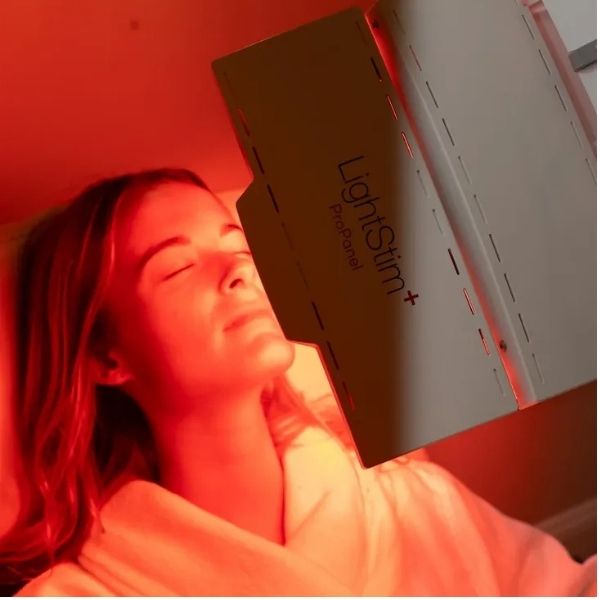
- Session setup. You change into comfortable clothing or provided robes, exposing the treatment area. For full-body panels, many clients wear undergarments. Staff helps you put on eye protection and position you on the bed or in front of the panels.
- The session itself. First-timers typically start with 10 to 15 minutes. The room has a gentle red glow, soft music or white noise, and a comfortable temperature. Most clients rest, meditate, or practice deep breathing. The warmth is mild, not hot.
- Post-session. You can resume normal activities immediately. Staff may suggest hydrating and noting any changes in sleep or soreness over the next 24 to 48 hours. There is no downtime, no peeling, no recovery period.
Clients describe the first visit as simpler than expected. You do not need to know your ideal protocol in advance; the team calibrates based on your goals and comfort.
How Often Should You Use Red Light Therapy for Best Results?
Many recommend 3 to 5 sessions per week for best results during an initial four-to-six-week phase. Sessions typically last about 15 to 30 minutes depending on the treatment area and device. After the initial phase, most people reduce to one to two maintenance sessions per week.
Regular sessions may be needed for lasting results. Pain management and muscle recovery goals often respond faster to frequent early sessions, while skin health and anti-aging goals show gradual change over several weeks. Overexposure to red light therapy does not necessarily produce greater benefits; research shows that doses above approximately 30 J/cm² sometimes reduce mitochondrial activity rather than enhance it. Consistency at the right dose matters more than occasional long sessions.
Red light therapy costs between $50 and $200 per session at most professional centers. Device quality affects the results of red light therapy treatments; professional-grade red light therapy machines deliver higher therapeutic output than consumer devices, which is why in-studio sessions tend to produce more reliable outcomes. Track your progress: log sleep quality, soreness levels, range of motion, or skin appearance every two weeks so you can see patterns over time.
Combine Red Light Therapy with Other Wellness Services
You can combine red light therapy with other noninvasive treatment options for compounding benefits. At a comprehensive wellness center, stacking therapies creates a recovery and longevity routine tailored to your goals.
- Cryotherapy + red light: an athlete uses whole-body cryotherapy to reduce acute inflammation, then follows with red light to accelerate healing at the cellular level and promote healing in stressed tissue. One caveat: a double-blind trial found that cryotherapy applied simultaneously with photobiomodulation reduced the PBM effect, so spacing the two by at least 30 minutes may preserve each therapy’s benefit.
- Infrared sauna + red light: a busy professional books an IR halo sauna session followed by red light for relaxation and sleep support.
- Compression therapy + red light: post-workout, compression clears metabolic waste while red light supports cellular processes for repair.
- Facials + red light: someone focused on skin health combines a professional facial with red light treatments to stimulate cellular activity and boost collagen production.
Introduce new therapies gradually. Communicate any medical diagnoses or medications so staff can adjust your plan safely.

Who Can Benefit Most from Red Light Therapy Near North Andover?
Red light therapy serves a wide range of people:
- Adults 30 to 60 with desk-related neck, back, and joint pain
- Recreational athletes from local gyms and sports leagues
- Parents dealing with poor sleep and low energy
- Adults 40 to 70 wanting natural anti-aging support and skin rejuvenation
- Individuals recovering from tough training cycles or managing chronic pain
- People interested in physical therapy complements and non-invasive treatment options
Red light therapy is not a replacement for medical treatment, but it supports the body’s natural healing alongside conventional care. Many people use it as part of a long-term longevity and cellular health plan, not a one-time fix. Massachusetts weather, with cold winters and shorter daylight, increases demand for light therapy that supports mood, mental health, sleep, and recovery through the darker months.
Frequently Asked Questions About Red Light Therapy
These are the questions people in North Andover ask most often when searching for red light therapy near me.
How quickly will I notice results from red light therapy?
Some people feel subtle relaxation or lighter muscle soreness after the first few sessions. Visible skin or pain relief changes typically appear over three to six weeks of consistent use. Set specific goals and evaluate progress every two to four weeks rather than after a single visit. Immediate benefits like relaxation and warmth are common from session one.
Can red light therapy help with chronic pain conditions?
Red light therapy may support pain relief and improved function for issues like arthritis pain, tendon irritation, joint pain, and old sports injuries, but it does not cure the underlying condition. Low level laser therapy and LED-based photobiomodulation both fall under this category. Anyone with a diagnosed chronic illness should work with their physician and use red light as a complementary, non-drug support for pain management.
Is red light therapy safe to use long term?
Current research and clinical trials suggest red light therapy safe for long-term use when protocols are followed correctly. The therapy does not induce DNA damage, and no lasting adverse events have been documented in trials with healthy adults. Reputable centers monitor client comfort and response, adjusting session frequency if any sensitivity develops.
What should I wear to a red light therapy appointment?
Loose, comfortable clothing that can be adjusted to expose the target area works well. For full-body panels, many clients wear undergarments or provided robes. Heavy lotions, makeup, or self-tanner can reduce light penetration on facial treatments, so removing heavy products beforehand is recommended for best results.
Can I combine red light therapy with my workouts on the same day?
Many people schedule red light sessions before or after workouts for athletic recovery, and this is safe for healthy adults. Post-workout sessions let you directly feel the difference in soreness and recovery. Experiment with timing based on how your body responds.
Is red light therapy covered by insurance?
Most insurance plans treat red light therapy as a wellness or elective service, so sessions are typically paid out of pocket. Check with your HSA or FSA administrator; some plans allow wellness therapies to qualify, though rules vary by provider.
Why Choose Our North Andover Wellness Center for Red Light Therapy?
Bonfire Wellness is built around recovery, cellular health, and longevity. Our center uses professional-grade full-body and targeted red light devices calibrated to deliver consistent therapeutic output at proven wavelengths of red and near-infrared. Staff is trained to understand pain relief, muscle recovery, skin health, and sleep goals, and every client receives a personalized plan.
- Easy access from I-495 and Route 125 with available parking
- Flexible hours for early morning, lunchtime, or evening sessions
- Initial consultation to prioritize goals and screen for contraindications
- Ability to combine red light therapy with cryotherapy, IV therapy, infrared sauna, compression therapy, or facials in a single visit
- Ongoing check-ins to fine-tune your plan based on how you respond over time
Red light therapy offers real value when it is delivered with the right equipment, the right protocols, and a team that tracks your progress.
Start Your Red Light Therapy Journey in North Andover
Red light therapy is a low-stress, noninvasive way to support pain relief, muscle recovery, skin rejuvenation, and better sleep when done consistently. The body’s natural healing processes respond to regular stimulation at the cellular level, and the results build week over week.
Many residents of North Andover, Andover, and the Merrimack Valley start seeing benefits within weeks. The first step is booking that initial visit.
Walk in and let the team help you design a plan that fits your schedule, comfort level, and budget. Schedule a consultation to discuss your goals today.