Table of Contents
- What Is Hormone Replacement Therapy?
- Common Menopausal Symptoms HRT Can Relieve
- Types of Hormone Therapy
- Is Hormone Therapy Safe?
- Starting HRT
- Alternatives to HRT
- FAQs
- Why Choose Our Center
- How to Book a Consultation
Menopause is not a disease, but for many women it feels like one. When hot flashes interrupt your workday, night sweats wreck your sleep, and vaginal dryness makes intimacy painful, the impact on daily life is real. Hormone replacement therapy for women remains one of the most studied and effective ways to manage these changes, yet millions of women avoided hormone therapy due to cancer fears following early research that has since been significantly refined. This guide breaks down what HRT actually involves, who benefits most, the real risks, and how complementary wellness strategies can amplify your results.
What Is Hormone Replacement Therapy for Women?
Hormone replacement therapy, sometimes called menopausal hormone therapy, refers to treatment that replaces the estrogen and often progesterone your body makes in decreasing amounts as you approach and pass through menopause. The average age of menopause in the US is 51, but perimenopause can begin in the early to mid-40s, bringing fluctuating hormone levels and symptoms that catch many women off guard.
As the female reproductive system produces less estrogen, the drop triggers a cascade of changes: vasomotor symptoms like hot flashes and night sweats, mood changes, sleep disruption, vaginal dryness, and accelerated bone loss. Hormone replacement therapy HRT aims to restore enough estrogen-and progesterone when needed-to alleviate symptoms and protect long-term health. You may hear the terms “hormone replacement therapy,” “menopausal hormone therapy,” and “estrogen therapy” used interchangeably in everyday speech; they all describe variations of the same concept.
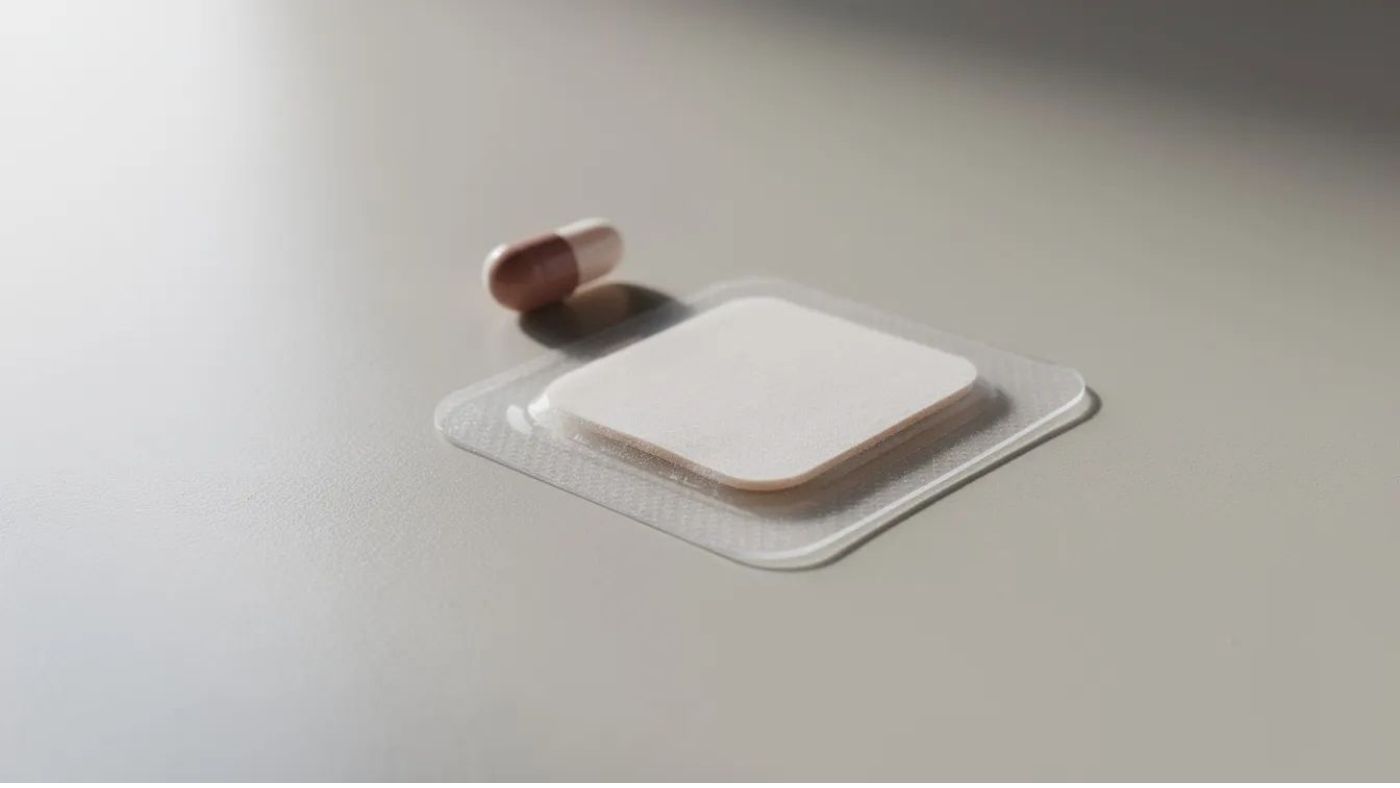
Hormones can be delivered as pills, a skin patch, gels, sprays, a vaginal cream, a vaginal ring, or tablets. Your clinician customizes the dose and route based on your medical history, symptom severity, and risk profile. Some women use FDA-approved bioidentical hormones-structurally identical to your body’s natural hormones-while others use conventional formulations. Compounded bioidentical hormone therapy is also available through specialty pharmacies, though it lacks the standardized oversight of FDA-approved options. It’s worth noting that HRT is one tool within a broader wellness approach: lifestyle, sleep, stress management, and recovery therapies like infrared sauna and red light therapy can meaningfully support results.
Common Menopausal Symptoms HRT Can Help Relieve
Roughly 70–80% of women experience menopause symptoms that are significant enough to affect their quality of life. Systemic estrogen therapy is considered the most effective treatment for vasomotor symptoms, and FDA-approved hormone therapies relieve menopausal symptoms effectively across several categories.
Here’s what hormone replacement therapy can reduce or resolve:
- Hot flashes and night sweats – sudden waves of heat, flushing, and drenching sweat that can strike multiple times per day or night
- Insomnia and fragmented sleep – often driven by night sweats, leading to daytime fatigue and difficulty concentrating
- Mood swings, anxiety, and brain fog – estrogen plays a role in neurotransmitter regulation; therapy for women may stabilize mood and support cognition, though it is not an approved treatment for depression or dementia
- Vaginal dryness and painful intercourse – thinning vaginal tissue from low estrogen makes intimacy uncomfortable for most women going through menopause
- Urinary urgency and recurrent UTIs – declining estrogen weakens bladder and urethral tissue
- Joint aches and accelerated bone loss – estrogen helps maintain bone mineral density; its loss speeds up osteoporosis risk
When night sweats persist and sleep quality crumbles, inflammation rises, weight gain becomes harder to prevent, and cardiovascular disease risk climbs. Early treatment with hormone therapy can break that cycle. That said, not every woman needs HRT-the decision depends on how much symptoms of menopause interfere with daily life, work, relationships, and overall wellbeing.
Types of Hormone Therapy: Estrogen, Progestogen, and Beyond
There are several types of hormone therapy and multiple ways to deliver them. Matching the right regimen to a woman’s uterus status, age, health history, and symptom severity is critical-there is no one-size-fits-all prescription.
Estrogen therapy (ET): Women who have had their uterus removed typically use estrogen alone. Systemic hormone therapy includes pills, patches, and gels that deliver estrogen throughout the body to treat hot flashes, night sweats, sleep disturbance, and mood symptoms. However, taking estrogen alone raises the risk of endometrial cancer in women who still have a uterus, which is why a progestogen is added for them.
Combined estrogen–progestogen therapy: For women with a uterus, combination therapy includes estrogen and progestogen to protect the uterine lining and reduce uterine cancer and endometrial cancer risk. The choice of progestogen-natural micronized progesterone versus synthetic progestins-affects the overall risk profile.
Systemic vs. low-dose vaginal estrogen: Systemic hormone therapy is absorbed by the whole body and addresses broad menopausal symptoms. Low-dose vaginal estrogen treats only vaginal and urinary symptoms with minimal systemic absorption. Topical vaginal estrogen therapy includes creams and rings, sometimes called vaginal estrogen therapy, and carries a different (generally lower) risk profile than systemic therapy.
Bioidentical hormone therapy: Bioidentical hormones are structurally identical to the female hormones your body produces. FDA-approved bioidentical options include certain estradiol patches and oral micronized progesterone. Compounded bioidentical formulations from specialty pharmacies lack standardized dosing and long-term safety data. Major organizations, including the North American Menopause Society, recommend FDA-approved options when possible. Importantly, bioidentical hormones do not automatically mean safer.
Other delivery systems like hormone pellets provide steady hormone levels but aren’t ideal for every woman due to dosing variability and the inability to quickly adjust if side effects arise. Treatment options are always tailored: age, time since last period, cardiovascular risk, personal and family history of breast cancer, and personal preferences all influence the choice.
Benefits and Risks: Is Hormone Therapy Safe?
Is hormone therapy safe? The honest answer: it is highly effective and reasonably safe for many women, but it is not risk-free. HRT’s risks depend on age and health conditions, the type of hormones used, the route of delivery, and the duration of use.
Key benefits:
- Strong relief of hot flashes and night sweats-hormone therapy effectively relieves hot flashes and vaginal dryness
- Improved sleep and mood stability
- Prevention of bone loss; FDA-approved hormone therapies can reduce osteoporosis risk and lower the chance of broken bones
- Maintenance of urogenital tissue, reducing vaginal symptoms and urinary issues
- Possible reduction in colon cancer risk
Timing matters: Hormone therapy is safer for women under 60 or within 10 years of menopause. Starting HRT before age 60 may reduce cardiovascular risks and offers the best benefit-to-risk ratio, according to the North American Menopause Society and supporting trial data.
Key risks in plain terms:
- Hormone therapy can increase the risk of blood clots and stroke, particularly with oral formulations. Specifically, oral estrogen increases the risk of deep vein thrombosis (DVT) and stroke. Transdermal estrogen (patches, gels, sprays) may carry lower clot risk because it bypasses first-pass metabolism in the liver.
- Combined estrogen-progestin therapy slightly increases breast cancer risk after 3 to 5 years. Breast cancer risk increases further after 5 years of hormone therapy.
- Taking estrogen alone in women with a uterus raises the risk of endometrial cancer.
- Potential gallbladder issues, especially with oral formulations.
- HRT may prevent bone loss after menopause, but risks depend on many factors unique to each woman.
Who should generally avoid HRT: Women with prior breast cancer, known heart disease, history of stroke, active liver disease, unexplained vaginal bleeding, or history of blood clots should not use HRT unless a specialist advises otherwise.
Side effects like breast tenderness, spotting, headaches, mood changes, and mild nausea are common initially but often improve with dose adjustments. Healthcare professionals emphasize using the lowest dose for the shortest duration that still controls menopausal symptoms, with annual reevaluation.
A regulatory update worth knowing: In February 2026, the FDA approved changes to hormone therapy drug labels. The FDA requested removal of certain risk statements from hormone therapy labels-specifically, boxed warnings related to cardiovascular disease, breast cancer, and probable dementia were removed from six menopausal hormone therapy products. Boxed warnings are the FDA’s most prominent safety warnings, and their removal reflects updated evidence that these risks are more nuanced than earlier labeling suggested.
Starting HRT: What to Expect Before, During, and After
Consider starting hormone therapy when persistent menopausal symptoms are disrupting sleep, work, intimacy, or mood. Women with early menopause (before age 45) or surgically induced menopause face increased bone and cardiovascular disease risk, and women with premature menopause can benefit from HRT for long-term heart and bone health.
Initial evaluation: Your health care providers will review your detailed medical history-cardiovascular risk, migraines, clotting history, cancer history-along with medications, family health history, menstrual patterns, and personal goals. Routine hormone blood testing is not typically necessary before starting HRT, though younger women with irregular cycles or suspected premature ovarian insufficiency may benefit from baseline hormone levels. A lipid panel, fasting glucose or A1C, and liver function tests may also be ordered.
Choosing a regimen: Your clinician decides between systemic therapy versus local estrogen, oral versus transdermal route, estrogen alone versus combined with progesterone, and continuous versus cyclic dosing-all based on whether you have a uterus, your common risk factors, and symptom profile.
Timeline: Many women notice improvement in hot flashes and sleep within 2–6 weeks of starting HRT. Full stabilization-including mood and vaginal symptoms-often takes 3 months or longer. An initial follow-up visit at about 3 months assesses response and side effects, with at least yearly reassessments after that. There’s no single “right” age to stop; for many women this is after 4–5 years, though some continue longer under supervision. Gradual tapering helps reduce symptom rebound.
Non-hormonal wellness services like infrared sauna, red light therapy, cryotherapy, and structured anti-inflammatory lifestyle programs can be layered alongside HRT to support sleep, mood, joint comfort, and long-term cellular health.

Alternatives and Complements to Hormone Therapy
Some women can’t or prefer not to use HRT. Others want to combine lower doses of hormone therapy with lifestyle and non-hormonal treatment options to reduce symptom severity while minimizing exposure.
Non-hormonal prescriptions for hot flashes: SSRIs/SNRIs (e.g., low-dose venlafaxine), gabapentin, clonidine, and newer neurokinin-3 receptor antagonists-all prescribed by a medical provider.
Local treatments for vaginal dryness: Over-the-counter vaginal moisturizers and lubricants, prescription options like ospemifene or vaginal DHEA for women not using systemic estrogen.
Lifestyle strategies: Regular strength training and walking to support bone density, Mediterranean-style anti-inflammatory nutrition, consistent sleep schedules, limited alcohol, and smoking cessation. These are among the most common factors influencing how a woman’s life changes during menopause.
Supportive recovery therapies: Infrared sauna sessions, red light therapy, whole-body cryotherapy, IV hydration and vitamin therapy, and peptide-based programs may help with fatigue, joint pain, inflammation, and recovery. While these therapies don’t replace estrogen, they can meaningfully improve quality of life and complement medically supervised hormone therapy. Working with both a licensed medical provider for prescribing decisions and a wellness team for recovery and longevity planning gives you the most comprehensive support.
FAQs About Hormone Replacement Therapy for Women
Below are direct answers to the questions women in their 40s, 50s, and 60s most frequently ask about HRT, estrogen therapy, safety, and practical details.
How do I know if I should consider starting HRT?
Consider HRT when menopausal symptoms such as hot flashes, insomnia, mood swings, or vaginal dryness are frequent and interfering with work, relationships, or wellbeing. Early menopause (before 45) or removal of the ovaries is a strong reason to discuss hormone therapy promptly, as long-term estrogen deficiency affects bones and cardiovascular health.
Does hormone replacement therapy cause weight gain?
Current evidence does not show estrogen therapy directly causes weight gain. Midlife weight changes are more related to age, less estrogen production, decreased activity, and sleep disruption. For many women, relief of night sweats and hot flashes makes it easier to exercise and maintain a healthy routine.
How long can I safely stay on hormone therapy?
There is no universal time limit. Many women use HRT for 3–5 years; some continue longer based on symptom severity and evolving risk profile. Yearly check-ins with your healthcare professionals help reassess benefits and risks and consider adjusting the lowest dose or changing the route over time.
Is bioidentical hormone therapy better than traditional HRT?
FDA-approved bioidentical hormones (like certain estradiol patches and oral micronized progesterone) are standardized, tested for dose consistency, and monitored for safety. Compounded bioidentical formulations lack that oversight. The North American Menopause Society and other organizations recommend FDA-approved options first.
Can I use hormone therapy if I have a family history of breast cancer?
A family history of breast cancer does not automatically rule out hormone therapy, but it requires a more detailed risk assessment. Bring specifics-which relative, what age, what type of cancer, any genetic testing results-to your appointment so your provider can make a nuanced, individualized recommendation.
What’s the difference between systemic HRT and low-dose vaginal estrogen?
Systemic HRT delivers estrogen throughout the body via pills, patches, gels, or sprays and is used for hot flashes, night sweats, and broad menopausal symptoms. Low-dose vaginal estrogen works locally to treat dryness, irritation, and bladder symptoms with minimal hormonal absorption into the bloodstream and a different risk profile.
Why Choose Our Local Wellness Center for Midlife and Menopause Support
Our North Andover, Massachusetts–based health and wellness center focuses on cellular health, recovery, and longevity for adults across the Merrimack Valley. While hormone prescriptions must come from licensed medical providers, we offer complementary services that help women going through perimenopause and menopause feel and function better-whether or not they are on HRT.
Our relevant services include IV vitamin and hydration therapy for fatigue, whole-body and localized cryotherapy for inflammation and joint aches, red light therapy for skin health and recovery, infrared sauna for relaxation and circulation, compression therapy for heavy or achy legs, and peptide programs aimed at metabolic support. We provide personalized wellness assessments that consider sleep, stress, exercise, and nutrition patterns unique to midlife women, with tailored recommendations to support hormone balance. Flexible membership and package options are designed for local residents who want regular support, and our team collaborates with your existing clinicians-OB/GYN, primary care, or menopause specialist-to ensure services safely complement any hormone therapy or medications you’re using.
Next Steps: Schedule a Menopause-Focused Wellness Consultation
Hormone replacement therapy can be life-changing for the right woman, but it’s one piece of a broader, science-based approach to healthy aging, recovery, and inflammation control. If you’re in North Andover or the surrounding Merrimack Valley communities-Andover, Lawrence, Haverhill, Methuen, or Salem, NH-we invite you to book a personalized wellness consultation focused on midlife and menopause concerns.
You can schedule an in-person assessment, call the center to discuss your concerns, or book specific services like infrared sauna, red light therapy, cryotherapy, or IV therapy as part of a wider menopausal symptom support plan. Before your visit, jot down your most bothersome symptoms, current medications, and any questions about hormone therapy so your time with our team is focused and productive.
You don’t have to just live with menopausal symptoms. Effective treatment options, supportive therapies, and local experts are available now-and the right combination can help you feel like yourself again.