Welcome! Start Here If You’re Searching “Peptide Therapy Consultation Near Me”
Welcome! If you just searched “peptide therapy consultation near me,” odds are you’re dealing with something specific: low energy that coffee can’t fix, a nagging injury that won’t fully heal, weight that sticks around despite real effort, or a general sense that your body isn’t responding the way it used to. You’re not alone, and you’re in the right place.
This guide walks you through what peptide therapy actually is, how a consultation works at a local wellness center, who makes a good candidate (and who doesn’t), what it costs in the Merrimack Valley area in 2027, and how long it realistically takes to notice changes. No hype, no jargon walls, no pressure.
The focus here is on in-person clinicians and brick-and-mortar wellness centers serving the North Andover, MA area and surrounding communities, not anonymous online peptide vendors shipping unmarked vials. Whether you’re an active adult chasing faster recovery, a professional managing the Boston commute, or someone exploring healthy aging options, this is a practical, experience-based guide to help you make a confident decision.
Your key questions (cost, safety, results timeline, what happens in the consult) are answered early and clearly.
Table of Contents
- What is peptide therapy (in plain English)
- Why people near you are seeking peptide therapy in 2027
- What happens during a peptide therapy consultation near you
- Peptide therapy vs. standard symptom-based care
- Who is (and isn’t) a good candidate for peptide therapy
- Combining peptide therapy with other wellness services
- Safety, sourcing, and legal considerations in 2027
- How long it takes to see results (and how to track progress)
- Frequently asked questions about peptide therapy consultations
- Why local expertise matters
- Why choose a Merrimack Valley wellness center
- Ready to explore peptide therapy? Your next step
What Is Peptide Therapy? (In Plain English)
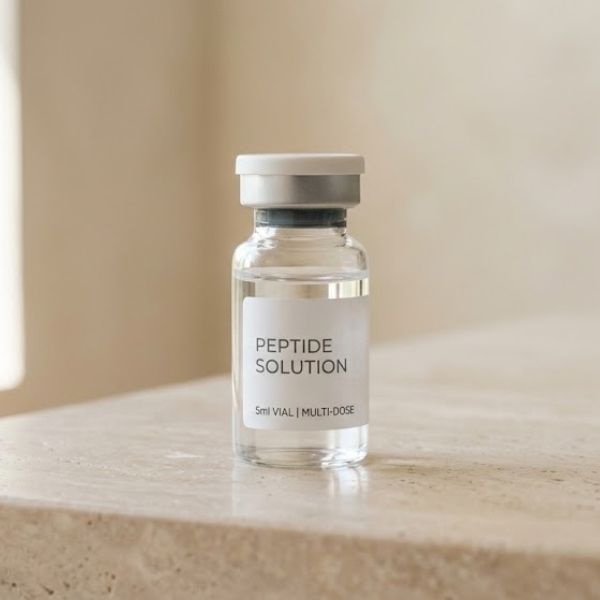
Peptides are short chains of amino acids that act as signaling molecules between your cells. Think of them as targeted text messages telling specific tissues to repair, produce hormones, reduce inflammation, or ramp up energy production. They’re smaller and more focused than full proteins, which makes them useful for nudging specific natural processes without overwhelming the body.
Here’s the practical difference: where a drug might override a system, peptides act more like volume knobs, adjusting your body’s own signaling at the cellular level. Peptide therapy improves tissue repair and cognitive function by working with your existing biology rather than replacing it. A few well-known examples:
- BPC 157: a 15-amino acid peptide originally derived from gastric juice. BPC-157 accelerates tendon and ligament repair and may support gut health and tissue healing. It is not FDA-approved and has limited human evidence, but preclinical data is extensive.
- CJC-1295 / Ipamorelin: growth hormone secretagogues that encourage your body to release its own growth hormone, supporting better sleep, muscle recovery, and fat metabolism.
- Thymosin Alpha-1: an immune system modulator that may support immune function and resilience, especially useful for people with recurrent illness or slow healing.
Peptide therapy can enhance muscle recovery and immune function, and these are goals that resonate with people in the Merrimack Valley who want more cellular energy for their daily commutes, faster recovery after weekend hikes, or support during perimenopause and andropause transitions.
Why People Near You Are Seeking Peptide Therapy in 2027
Picture a 47-year-old professional commuting from Andover to Boston, training for a local 10K, but dealing with joint stiffness every winter morning and sleep that hasn’t been restful in months. Or a parent in Lawrence balancing work, kids, and stubborn abdominal fat that persists despite consistent exercise and clean eating. These are the people walking into peptide therapy consultations across the Merrimack Valley right now.
The most common motivations include chronic fatigue, slow injury healing, hormonal changes, brain fog, weight that won’t budge, and a desire for non-surgical, medication-sparing options. Peptide therapy can enhance metabolic rate and insulin sensitivity, which is part of why interest has surged. Semaglutide and tirzepatide can reduce body weight by 15 to 22 percent, and GLP-1 receptor agonists are FDA-approved for chronic weight management. Patients typically notice appetite suppression within one to two weeks of GLP-1 therapy. MOTS-C is reported to prevent obesity and insulin resistance in studies, adding another layer to the weight management conversation.
Peptide therapy fits into the broader trend toward integrative longevity and anti-aging strategies. It’s typically part of a plan that includes nutrition, movement, sleep, and sometimes hormone therapy, not a standalone magic injection. Common goals local clients share:
- Recover faster from pickleball, skiing, or trail running injuries
- Stay cognitively sharp in demanding tech or finance roles
- Reduce inflammation that flares with New England’s cold, damp winters
- Support hormone production during midlife transitions
- Improve sleep quality and cellular energy production
- Address gut healing concerns alongside body composition goals
- Explore regenerative medicine approaches to healthy aging
What Happens During a Peptide Therapy Consultation Near You
This is the section most people want first: what actually happens when you walk in?
At a reputable wellness center, the process starts with a thorough review of your health history: past injuries, current medications, prior hormone therapy or weight-loss medications, supplements, and lifestyle factors including sleep, stress, exercise, and nutrition. Providers should conduct this review before discussing any specific peptides. Diagnostic testing is necessary before prescribing peptides, and a consultation requires a comprehensive medical evaluation rather than a quick sales pitch.
Quality providers order or review baseline labs before building a peptide protocol. Common panels include CBC, CMP (liver and kidney function), thyroid profile, sex hormones, IGF-1, fasting glucose and insulin, and inflammatory markers like CRP. These labs inform whether you’re a good candidate, highlight contraindications, and create a baseline for tracking progress. Walk-in “peptide shots” without any lab review or health assessment are a red flag.
During the conversation, the clinician discusses your goals (energy, weight management, recovery, longevity, cognitive function), explains specific peptides that match those goals, and covers administration methods, whether subcutaneous injection, oral, or topical. A proper consultation includes discussing potential side effects, realistic timelines, and what consistent use looks like week to week. A customized protocol is essential for effective peptide therapy because no two people respond identically.
Finding a consultation includes locating licensed medical professionals who take adequate time (typically 45 to 90 minutes for an initial visit). By the end, you should leave with:
- A clear written plan: which peptides, doses, route, frequency, and duration
- Lab orders (baseline or follow-up)
- A transparent cost breakdown
- A structured follow-up plan (usually at 8 to 12 weeks)
- Instructions for injection technique, safe storage, and sharps disposal if applicable
Peptide Therapy vs. Standard Symptom-Based Care
Many people arrive at a peptide therapy consultation after years of “normal” lab results paired with persistent fatigue, inflammation, or slow healing. Conventional care often addresses downstream symptoms: NSAIDs for joint pain, sleep aids for insomnia, or antidepressants for low mood. These treatments manage effects without targeting the signal layer where cellular communication breaks down.

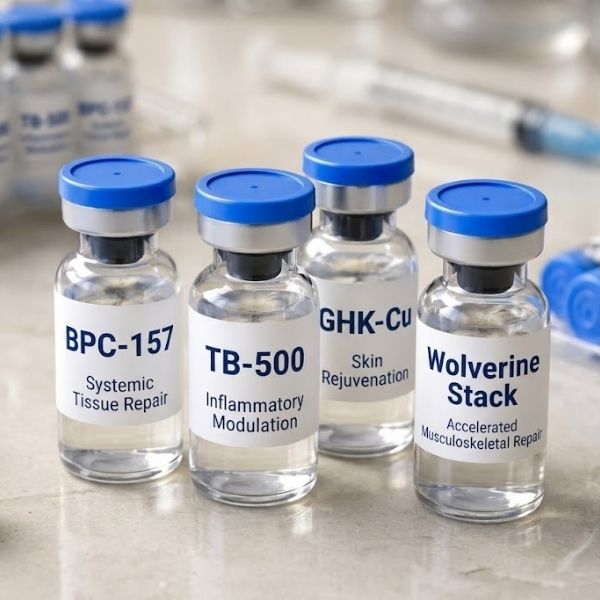
Peptide therapy can target athletic recovery and weight management at the cellular level. Consider chronic tendon pain: standard care often means repeated NSAID prescriptions, which mask pain but don’t rebuild tissue. A peptide-informed plan might combine physical therapy, anti-inflammatory lifestyle changes, and BPC 157 to support tendon repair alongside actual healing. Thymosin Beta-4 supports systemic recovery of tendons and ligaments through a different mechanism, giving clinicians flexibility. Peptides can modulate inflammation to aid recovery rather than simply suppressing it.
Chains of amino acids arranged into specific peptides can also nudge hormone production. Growth hormone-releasing peptides encourage your body to produce its own growth hormone rather than introducing exogenous hormones at full replacement doses. This distinction matters for people who want to support lean muscle and fat loss without the risks that come with direct hormone replacement.
Peptide therapy is not a substitute for emergency or primary care. It’s a complement for long-term concerns like metabolic health, mild chronic injuries, and healthy aging goals where conventional options have plateaued.
Who Is (and Isn’t) a Good Candidate for Peptide Therapy?
One of the most important outcomes of a consultation is honest candidacy assessment, not a sales pitch.
Likely good candidates include people who:
- Have chronic but stable symptoms (slow healing, fatigue, mild hormone decline)
- Are willing to complete baseline lab work and follow-up testing
- Can self-administer subcutaneous injections or have someone to help
- Commit to lifestyle changes (nutrition, sleep, movement) alongside peptides
- Have realistic expectations about gradual changes over a few weeks to months
- Are active adults or aging adults seeking recovery, body composition, or longevity support
- Understand that most peptides require physician oversight and monitoring
Peptide therapy can enhance muscle recovery after exercise, making it appealing for athletes and weekend warriors alike. But not everyone is ready.
People who are likely not ready right now include those with:
- Active cancer (peptides that promote angiogenesis could pose risks)
- Pregnancy or breastfeeding (insufficient safety data)
- Uncontrolled diabetes or severe metabolic instability
- History of hormone-sensitive cancers without oncology clearance
- Refusal to complete any lab work or health assessment
- Expectations of dramatic fat burning or transformation within two weeks
A clinician might advise a 42-year-old with chronic insomnia and high-stress work to first stabilize sleep habits and cortisol patterns through lifestyle interventions before layering in peptides. Starting a specific protocol only makes sense once the foundation is stable.
Combining Peptide Therapy with Other Wellness Services
In practice, the strongest outcomes happen when people combine peptide therapy with supportive modalities rather than relying on peptides alone. A North Andover wellness center might pair peptide protocols with:
- IV therapy with amino acids and micronutrients for hydration and absorption support
- Red light therapy for skin health, joint support, and collagen stimulation
- Infrared sauna sessions for circulation and anti inflammatory benefits
- Compression therapy for active adults managing training loads
- Structured nutrition coaching for fat metabolism and hormone optimization
GHK-Cu promotes collagen synthesis and supports skin health, making it a natural complement to red light therapy and facial treatments. MOTS-C activates AMPK to enhance cellular energy production, which pairs well with exercise and metabolic programming. BPC-157 accelerates tendon and muscle repair, and combining it with physical therapy and red light can create a layered recovery plan for someone returning to running after injury.
A practical scheduling pattern for an active adult might look like peptide injections at home five days per week, IV therapy once or twice monthly, and sauna or red light sessions two to three times per week. Exact frequency is always personalized based on goals, budget, and how many patients respond to their initial protocol. The key caution: stacking multiple online peptide products without physician supervised programs is where problems arise.
Safety, Sourcing, and Legal Considerations in 2027
Safety is the primary reason to start with a local peptide therapy consultation rather than ordering from an overseas vendor. Prescription peptides are sourced from licensed 503A U.S. compounding pharmacies that follow strict sterility and dosage accuracy standards. Compounded peptides are not the same as FDA-approved drugs; they’re prepared under different regulatory frameworks, and quality varies if you step outside licensed pharmacies.
Not all peptide treatments are FDA-approved. BPC-157, for example, is classified as a Category 2 bulk drug substance by the FDA, meaning its safety in humans is not established for compounding use. Peptide therapy uses clinically tested, medical-grade peptides when sourced properly, but “research chemicals” from unverified vendors carry real contamination and mislabeling risks. Reports of adverse events from unregulated sources include injection-site infections and worse.
Is peptide therapy safe when done right? Adverse reactions to prescription peptides are uncommon at appropriate doses. Safety standards should be verified before treatment. Be cautious of providers who lack a physical evaluation process. Green flags to look for in a local peptide clinic:
- In-person or telehealth medical exam before any prescribing
- Documented informed consent covering risks and alternatives
- Baseline and follow-up lab monitoring for all hormone-related peptides
- Clear injection training and sharps disposal instructions
- Direct access to the prescribing clinician if side effects occur
- Transparent sourcing from a licensed compounding pharmacy
Common side effects include injection-site irritation, mild water retention, nausea (especially with GLP-1 peptides), and occasional headaches. Any severe reaction warrants immediate medical attention.

How Long It Takes to See Results (and How to Track Progress)
Realistic timelines depend on which specific peptides you’re using and what you’re tracking. Most patients notice changes within two to four weeks for sleep quality, appetite, and energy. Patients typically notice recovery effects within four weeks for musculoskeletal concerns. Deeper shifts in body composition and fat loss typically take 8 to 12 weeks of consistent use.
Specific examples:
- BPC 157 for tissue repair: pain reduction in 4 to 8 weeks; structural remodeling takes longer
- Growth hormone secretagogues (CJC-1295/Ipamorelin): better sleep in 2 to 4 weeks; measurable body composition changes by 8 to 12 weeks; muscle mass and lean muscle improvements after several months
- Immune-modulating peptides (Thymosin Alpha-1): infection frequency and resilience improvements over 4 to 6 weeks; full immune system benefits after several months
Longevity-focused peptides are a longer play. Peptides can increase mean lifespan by 20 to 40 percent in rodent studies. Epitalon stimulates telomerase activity to support longevity. SS-31 supports ATP production in mitochondria for longevity. These are research findings, not guaranteed human outcomes, but they inform why many patients pursuing healthy aging commit to protocols measured in months, not days.
Track your own progress between visits:
- Weekly energy and sleep quality journal
- Workout logs (strength benchmarks, soreness duration)
- Waist measurements or body composition scans
- Progress photos every 4 weeks
- Step counts and daily activity levels
- Lab marker trends (fasting insulin, IGF-1, CRP)
Lack of instant transformation does not mean failure. Dosages and protocols are adjusted at 8 to 12 week follow-ups based on how your body responds.
Frequently Asked Questions About Peptide Therapy Consultations
Here are the questions people in North Andover and the greater Merrimack Valley ask most often before booking a peptide therapy consultation.
What exactly happens at my first peptide therapy consultation?
Your first visit starts with a health history intake covering past injuries, current medications, supplements, and goals (whether that’s weight, recovery, healthy aging, or cognitive function). If the visit is in person, there may be a focused physical exam. The clinician orders or reviews labs, then explains which specific peptides match your situation, covering pros, cons, and a phased timeline. By the end, you’ll know whether you’re a good candidate, which peptides are being considered, and what the follow-up plan looks like.
Are peptide therapy programs safe when prescribed locally?
When prescribed and monitored by a licensed physician using pharmacy-grade products, peptide therapy is generally well-tolerated for appropriately selected adults. Peptide therapy protocols require physician oversight and monitoring to manage risks. Safety depends on thorough screening, lab work, and honest reporting of medical history. The contrast with unregulated peptides purchased online, where purity, dosage, and even the actual compound may be uncertain, is stark.
How much does peptide therapy typically cost near me?
In the Boston and Merrimack Valley area in 2027, initial consultations typically run $150 to $600 depending on whether labs are included. Monthly protocol costs for serving patients on common peptides range from $200 to $600, influenced by the type of peptide, dosing complexity, and whether follow-up visits are bundled. Ask for a written estimate during your consultation and clarify what’s included: injection supplies, lab reviews, and follow-up visits can add up if billed separately.
Can I combine peptide therapy with hormone therapy or other treatments?
Under medical oversight, many patients safely combine peptide therapy with hormone therapy, IV therapy, red light therapy, and structured nutrition plans. For example, using a growth hormone-releasing peptide to support recovery alongside testosterone therapy, or adding a GLP-1 peptide for weight management while strength training to preserve lean muscle. All combinations must be individualized and lab-guided. Disclose every supplement and prescription you use.
How quickly will I notice changes from peptide therapy?
Some people report better sleep or appetite shifts within a few weeks. Musculoskeletal recovery often becomes noticeable at four to eight weeks. Deeper metabolic and body composition shifts take three to six months. Age, baseline health, activity level, and consistency with injections and lifestyle changes all influence timing. View peptide therapy as a medium- to long-term investment in cellular health rather than a same-week transformation.
What if I’ve already tried peptides from an online clinic or overseas website?
Many patients in 2027 arrive after mixed experiences with generic online stacks or questionable “research chemicals.” A local clinician will review what you used, at what doses, and whether side effects occurred, then decide whether to pause, switch, or rebuild a more appropriate protocol. Honesty about past use makes the next steps safer and more effective.
Does peptide therapy support healthy aging even if I’m not an athlete?
Many people seeking peptide therapy consultations are not competitive athletes but everyday adults focused on healthy aging: better sleep, cognitive clarity, joint comfort, muscle preservation, and immune resilience. Certain peptides support your body’s own growth hormone production, mitochondrial function, or immune system balance specifically for longevity rather than performance. Therapy is always personalized to age, risk factors, and long-term goals.
Why Local Expertise Matters When You Search “Peptide Therapy Consultation Near Me”
Choosing a local provider over a faceless telehealth platform gives you access to clinicians who understand regional lifestyle factors. New England winters affect vitamin D levels, joint stiffness, and seasonal activity patterns. Commuting stress from Merrimack Valley to Boston influences cortisol, sleep, and recovery capacity. A local clinician factors these into your plan.
Reasons local care is valuable:
- In-person exams when needed for musculoskeletal assessment
- Hands-on injection training during your first visit
- Coordination with your local primary care provider or specialists
- Protocol adjustments based on seasonal training changes
- Easy follow-up visits without long drives or shipping delays
- Access to on-site services (IV therapy, red light therapy, infrared sauna, compression therapy) under one coordinated plan
- Serving patients across North Andover, Andover, Lawrence, Haverhill, and Methuen
Why Choose a Merrimack Valley Wellness Center for Your Peptide Consultation
A science-based, in-person wellness center in the North Andover area offers something generic med spas and remote platforms cannot: an integrative approach where peptide therapy fits into a broader health plan. Rather than prescribing a peptide in isolation, a quality center starts with a thorough wellness assessment, builds a program around your specific goals, and coordinates complementary services under one roof.
What sets this type of center apart:
- Complementary on-site therapies: cryotherapy, IV vitamin and hydration therapy, infrared sauna, red light therapy, and recovery tools that layer with peptide protocols
- Custom programs for active adults, busy professionals, and those focused on anti aging
- Anti inflammatory lifestyle programs addressing root causes alongside peptides
- Membership options for ongoing care at predictable costs
- Flexible scheduling accommodating commuters
- Clear education around each peptide, including honest guidance when peptides are not the right next step
- Personalized to your goals, with lab review and follow-up built into the process
Ready to Explore Peptide Therapy? Your Next Step
Peptide therapy is a powerful but nuanced tool that should begin with a thoughtful consultation at a reputable local wellness center rather than a one-click online order. Before scheduling, gather your recent lab work, write down your top three to five goals (energy, recovery, weight, sleep, longevity), and note your current medications and supplements.
You don’t need to know which peptide you “should” be on before calling. That’s exactly what the consultation is for. Reach out to Bonfire Wellness in North Andover to request a peptide therapy consultation or book an introductory wellness assessment that includes discussion of peptide options.
Taking a practical, science-informed step toward better recovery, metabolism, and long-term vitality starts with one conversation.