
Table of Contents
- Introduction: Why People Are Turning to Peptide Therapy in 2026
- What Is Peptide Therapy, in Plain English?
- How Peptide Therapy Works in the Body
- Potential Benefits: What Results You Might Notice (and When)
- Is Peptide Therapy Safe? What You Should Honestly Expect
- How Peptide Therapy Is Given: What to Expect From Injectable Peptides
- Who Is (and Is Not) a Good Candidate for Peptide Therapy?
- How the Process Works: From First Consultation to Ongoing Care
- Common Mistakes and Misconceptions About Peptide Therapy
- FAQs: Clear Answers to Real Peptide Therapy Questions
- Why Choose a Local, Integrated Wellness Center for Peptide Therapy
- Next Steps: How to Decide if Peptide Therapy Is Right for You
Introduction: Why People Are Turning to Peptide Therapy in 2026
Peptide therapy has gained significant attention in the wellness and regenerative medicine industries over the past two years, and the interest shows no signs of slowing. Adults dealing with stubborn inflammation, poor sleep, sluggish recovery, or visible signs of aging are looking beyond conventional options and asking whether peptides can offer something more targeted. Clinical research into therapeutic peptides has expanded rapidly, with thousands of studies published in 2026 alone, spanning anti-aging, muscle recovery, chronic conditions, and metabolic health.
Here is what this guide will help you understand: peptide therapy is not a magic shot. It is a precise, medically supervised tool that can support hormonal balance, the immune system, cognitive function, and tissue repair when used correctly alongside healthy habits. Peptide therapy uses synthetic peptides to regulate bodily functions, and the protocols can involve injectable peptides, peptide injections, oral supplements, or topicals depending on the goal.
For health-conscious adults in Massachusetts and the Merrimack Valley region, the bar for credible wellness services is high. Proximity to Boston’s biotech corridor means people here expect science-backed programs, real lab work, and providers who can explain what they are prescribing and why. This guide is written with that standard in mind.
What Is Peptide Therapy, in Plain English?
Peptides are short chains of amino acids that act as signaling molecules throughout the body. Think of them as the building blocks your cells use to communicate instructions: repair this tissue, release that hormone, ramp up collagen production. Peptide therapy involves using specific therapeutic peptides, either natural or synthetic, to nudge targeted systems toward a desired outcome.
You already know some peptides by name. Insulin, a peptide that regulates blood sugar, has been used medically for over a century. GLP-1 medications like semaglutide are FDA-approved peptide medicines that have undergone clinical testing and carry specific medical indications for conditions like type 2 diabetes and obesity. These are among the common therapeutic peptides with the strongest evidence behind them.
The difference between the peptides that occur naturally in your body and clinically prescribed peptide therapy is control. Your body produces peptides on its own to manage various bodily functions. Exogenous peptide therapy introduces precisely dosed, targeted compounds to amplify or restore the body’s natural processes where they have slowed, declined, or become imbalanced. Peptide therapy can be part of broader longevity and recovery programs that may also include IV therapy, cryotherapy, infrared sauna, and lifestyle changes, but the focus of this guide is on what the peptides themselves do and what you can realistically expect.
How Peptide Therapy Works in the Body
Peptides bind to specific receptors to stimulate biological processes. When an injectable peptide reaches its target receptor, it essentially reminds the body to perform a natural function more efficiently, whether that is releasing growth hormone, calming inflammation, or accelerating wound healing. Different peptides target different receptors and produce varying results based on the peptide used, so the protocol must match the goal.
Here are the major pathways peptide therapy can influence:
- Metabolic regulation and fat loss. Certain peptides support fat metabolism and weight management by improving blood sugar control, reducing appetite signals, or enhancing metabolic function. GLP-1/GIP dual agonists, for example, produced roughly 15 to 20 percent weight loss over 72 weeks in landmark clinical trials.
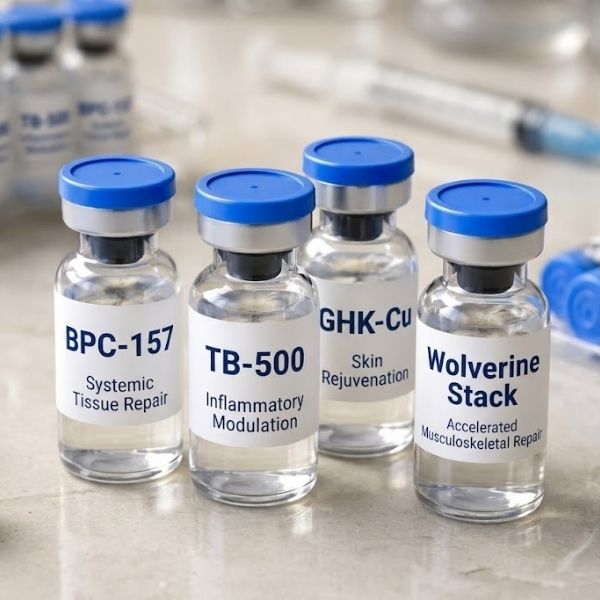
- Muscle recovery and tissue repair. Peptides like BPC-157 and TB-500 are touted for their role in promoting recovery from injuries. CJC-1295 and Ipamorelin stimulate growth hormone release for muscle synthesis, supporting the body’s ability to rebuild after training. Peptides can enhance muscle growth and tissue repair processes.
- Immune system modulation. Specific peptide sequences are being researched for modulating immune response and gut health. Peptides can enhance immune function and support healing, though human clinical data remain limited for many compounds.
- Hormone signaling and hormonal balance. Growth hormone secretagogues encourage the pituitary gland to increase its own hormone production. Peptides like Kisspeptin regulate reproductive hormones, while Gonadorelin stimulates luteinizing hormone release for hormonal balance. Follicle-stimulating hormone pathways can also be influenced. Peptide therapy can support natural hormonal rhythms rather than simply replacing hormones.
- Brain and cognitive function. Certain peptides are studied for enhancing cognitive function and regulating sleep cycles. Delta sleep inducing peptide is one example under investigation for improving sleep quality through hormonal regulation.
Most peptide therapy protocols usually last between 4 to 12 weeks, run cyclically with periodic reassessment, and results accumulate over weeks to months rather than appearing overnight.
Potential Benefits: What Results You Might Notice (and When)
The potential benefits of peptide therapy depend on which peptide is chosen, the dose, your baseline health, and your lifestyle. Someone who sleeps well, eats enough protein, and trains consistently will typically notice more from peptide therapy than someone who skips these fundamentals. Results from peptide therapy can be seen within a few weeks for certain markers, though bigger changes take longer.
Here is what clinical research and practitioner experience suggest across key benefit areas:
- Muscle recovery and performance. Peptide therapy supports muscle growth and recovery for athletes and active adults alike. Peptide therapy can promote muscle growth and recovery, reduce post-workout soreness, and promote healing of connective tissue. One randomized controlled trial found that participants taking collagen peptides experienced reduced soreness and fatigue, with improved strength 48 hours after exercise. BPC-157 aids in post-workout tissue repair and reduces inflammation. Peptides can enhance endurance and optimize athletic performance when paired with proper training.
- Anti-aging and skin quality. Peptides can stimulate collagen and elastin production, which slows naturally with age. Matrixyl and copper peptides improve skin firmness and hydration, while peptide-based products may reduce fine lines in 8 to 12 weeks. A meta-analysis of 19 randomized controlled trials with roughly 1,300 participants showed oral collagen peptides improved skin hydration and brightness. Peptides can stimulate collagen production for skin health and improve skin texture and overall appearance, supporting skin rejuvenation and improved skin health. Skin elasticity, skin barrier strength, and collagen production all respond to consistent peptide use.
- Immune system resilience. Peptides stimulate certain immune pathways that can improve stress tolerance and may reduce susceptibility to illness. Preclinical data on antimicrobial peptides is strong, though large-scale human trials are still emerging.
- Cognitive function and mental clarity. Peptide therapy may improve sleep quality and cognitive function, with some users reporting sharper focus and better motivation within the first few weeks. Brain health research on mitochondrial peptides like MOTS-c is preliminary but promising.
- Support for chronic conditions. For those managing joint health issues, inflammatory patterns, or metabolic challenges, certain peptides may support tissue repair, reduce inflammatory markers, and improve metabolic health. Some peptide therapies are claimed to improve body composition and enhance recovery processes in these populations.
- Energy, sleep, and vitality. Peptides can enhance energy levels by optimizing hormonal balance. Peptide therapy may improve sleep quality through hormonal regulation, supporting the body’s natural production of recovery-related hormones.
Indicative timelines to set expectations: sleep and recovery shifts often appear within 2 to 4 weeks. Body composition, body fat reduction, and skin changes typically emerge at 8 to 12 weeks. Bigger structural changes like joint repair or hormonal imbalances correcting may take 3 to 6 months. Combining peptide therapy with nutrition, movement, and other recovery tools leads to more noticeable, durable changes than injections alone.
Is Peptide Therapy Safe? What You Should Honestly Expect
Peptide therapy is generally considered safe when administered by professionals, but it is not risk-free. The distinction between safe and unsafe comes down to sourcing, supervision, and protocol design. Peptide therapy requires medical supervision to ensure purity and correct dosing, and not all marketed peptides have FDA approval or extensive clinical evidence supporting their use.
What “peptide therapy safe” means in practice:
- A full health history and medication review before starting peptide therapy
- Choosing pharmaceutical-grade or licensed compounding pharmacy peptides, not gray-market products
- Individualized dosing and regular monitoring through lab work
- Clear stop rules if side effects escalate
Mild side effects include redness at the injection site and headaches. Transient digestive upset, fluid shifts, and temporary sleep changes are also reported. Injection site reactions are common but usually temporary, resolving within a day or two. Serious side effects from peptide therapy are rare when protocols are properly managed.
Immunogenicity can occur with synthetic peptides, causing immune responses in some individuals. Red-flag symptoms that should trigger immediate contact with your provider include signs of allergic reaction (rash, facial swelling, difficulty breathing), intense abdominal pain, sudden mood changes, or rapid unexplained weight gain. Topical peptides can strengthen the skin barrier and reduce inflammation with minimal systemic risk, but even these should be part of a supervised treatment plan.
How Peptide Therapy Is Given: What to Expect From Injectable Peptides
Most therapeutic protocols rely on injectable peptides because many peptides are poorly absorbed if swallowed. Peptide therapy typically involves subcutaneous injections for absorption, meaning the needle goes just under the skin rather than into muscle or a vein.
Here is what the typical experience looks like:
- Injection site and technique. Subcutaneous shots are given in areas like the abdomen or thigh using very small insulin-style needles. Most people report only a brief pinch.
- Self-administration. After an in-office teaching session, you will self-administer at home. Peptide injections become routine quickly.
- Storage and preparation. You will learn proper storage (refrigeration and protection from light), how to prepare the dose (reconstitution if needed), clean the skin, inject, and rotate sites.
- Tracking. Logging doses, timing, and any injection site reactions in a journal or app is standard practice.
A few peptides may be available as nasal sprays, dietary supplements, capsules, or topical formulations. Peptide supplements and topicals are typically used for skin health or joint support, but expect that most clinically meaningful protocols still rely on injectable peptides for reliable, measurable effects. Oral collagen peptides are an exception with solid data behind them for skin and connective tissue support.

Who Is (and Is Not) a Good Candidate for Peptide Therapy?
Not everyone needs peptide therapy. Before starting peptide therapy, it should solve a clear problem or serve a specific goal.
Typical good candidates include:
- Active adults wanting better muscle recovery, muscle mass retention, body composition, or performance
- Individuals noticing age-related changes in energy, sleep, skin, or libido
- People managing chronic conditions where inflammation, tissue repair, muscle repair, or metabolic health are ongoing challenges
- Those who have already built basic healthy habits and want an additional, targeted tool to support fat metabolism, fat breakdown, or weight management
Situations where peptide therapy may not be appropriate or needs extra caution:
- Pregnancy or breastfeeding
- Active cancer or hormone-sensitive conditions (certain peptides may promote healing pathways that could theoretically encourage tumor growth)
- Uncontrolled chronic disease, autoimmune disorders, or severe psychiatric conditions
- Anyone seeking a quick fix without committing to lifestyle changes
A comprehensive consultation including lab work, medication review, and discussion of specific functions you want to improve should come before any treatment plans are finalized. Sometimes the best recommendation is to address fundamentals first.
How the Process Works: From First Consultation to Ongoing Care
At a brick-and-mortar wellness center offering peptide programs, the journey is structured to reduce guesswork and build confidence at every step.
- Initial consultation and wellness assessment. Your provider reviews your health history, goals (muscle recovery, anti-aging, sleep, immune support), current medications, and any prior labs.
- Baseline testing. Depending on goals, recommended labs may include metabolic panels, hormone levels (growth hormone, IGF-1, thyroid), inflammatory markers, and sometimes a body composition scan.
- Peptide selection and protocol design. Specific peptides are chosen and matched to your goals. Dosage, route, and cycle length are set. Different peptides serve different purposes, so the plan is tailored, not one-size-fits-all.
- Education visit. You receive hands-on training for safe injectable peptide use at home, including storage, preparation, injection technique, and what to log.
- Follow-up schedule. Check-ins every 4 to 8 weeks for dose adjustments, lab retesting, side effect review, and progress tracking.
Peptide therapy is often integrated with complementary services like IV therapy, infrared sauna, red light therapy, compression therapy, or anti-inflammatory lifestyle coaching. Treatment plans should cover the whole picture, not just the injections.
Common Mistakes and Misconceptions About Peptide Therapy
A big part of knowing what to expect is knowing what to avoid, especially with social media hype and online gray-market vendors driving unrealistic promises.
- Expecting a cosmetic quick fix. Peptide therapy works at a cellular level. Changes in fat loss, muscle growth, or skin rejuvenation build gradually. This is not filler or Botox.
- Assuming all peptides are the same or that more is better. Higher doses or more frequent peptide injections do not produce proportional benefits and may increase risk. Hormonal imbalances, edema, and blood sugar disruptions can result from poorly managed protocols.
- Buying research-grade peptides online without medical oversight. Gray-market products carry real risks of contamination, mislabeling, and inconsistent dosing. If a product is sold “for research purposes only,” it was not made for human injection.
- Ignoring foundational habits. Sleep, nutrition, movement, and stress management remain the primary drivers. Peptides are amplifiers of what is already working. They do not replace the body’s need for the basics.
- Stopping too soon. Many users quit after two or three weeks and conclude it did not work. Structural, hormonal, and metabolic shifts often require 8 to 12 weeks or longer. Tracking subtle early wins like better sleep or smoother recovery helps you stay the course.
Bring your questions and any internet-based claims to a qualified provider for a reality check before you inject anything.
FAQs: Clear Answers to Real Peptide Therapy Questions
Below are straightforward answers to concerns people commonly have before starting peptide therapy.
How long does it usually take to notice results from peptide therapy?
Sleep, energy, and muscle recovery shifts often appear within 2 to 4 weeks. Body composition changes, fat loss, and improved skin health typically become noticeable around 8 to 12 weeks. Bigger changes like joint health improvement or hormonal balance correction may take 3 to 6 months. Different peptides have different onset times; growth hormone secretagogues may act faster than gut-healing or immune-modulating compounds. Tracking sleep, energy, workouts, and symptoms helps you spot subtle improvements early.
Are peptide injections painful or difficult to do at home?
Most people experience only a brief pinch or pressure, since very fine needles and shallow subcutaneous injections are used. Clients receive hands-on teaching and written instructions until they feel confident self-injecting safely. Mild stinging or small bruises at the injection site can occur but typically fade quickly with proper technique and site rotation.
Is peptide therapy the same as taking anabolic steroids or traditional hormone therapy?
No. Peptides are short chains of amino acids that signal the body, whereas steroids are synthetic versions of hormones like testosterone. People sometimes confuse peptides steroids, but they work very differently. Many peptide therapies stimulate your own hormone production, including the body’s natural production from the pituitary gland, in a more physiologic pattern rather than replacing hormones outright. Under medical supervision, peptide therapy is designed to support balance and recovery, not extreme performance enhancement.
Can peptide therapy help with chronic conditions like joint pain or long-term fatigue?
While peptide therapy is not a cure for chronic conditions, certain peptides are used to support tissue repair, promote healing, reduce inflammation, or improve mitochondrial energy production. Improvements are gradual and should be combined with medical management, physical therapy, and lifestyle strategies. Coordination with your primary care provider or specialist is important when chronic disease is involved.
What should I do if I miss a peptide injection or experience a side effect?
Do not double up on doses. Resume your normal schedule and document the missed dose in a log. For minor side effects like mild injection site irritation, ice and good hygiene are usually sufficient. For anything more concerning, such as persistent swelling, unusual fatigue, or allergic symptoms, contact your clinic promptly. Responsible peptide therapy programs include clear after-hours contact instructions and regular follow-up visits.
Will I need to stay on peptide therapy forever to keep the benefits?
Many protocols are cyclical, typically running 3 to 6 month courses with planned breaks. Some benefits, like improved body composition, better sleep routines, or increased muscle mass, can be maintained with good habits even after a peptide cycle ends. Long-term plans are personalized. Some people use peptide therapy as a short-term reset, while others integrate it periodically as part of their longevity strategy. Your provider will help you decide based on your goals and response.
Why Choose a Local, Integrated Wellness Center for Peptide Therapy
Working with a physical wellness center in the Merrimack Valley and North Andover area offers more safety and support than ordering peptides online. You get in-person wellness assessments, lab review, and face-to-face guidance before, during, and after your protocol, which is the standard that molecular sciences and clinical evidence demand.
At Bonfire Wellness, the differentiators are practical:
- In-person consultations with baseline lab work and health history review before any peptide is prescribed
- Access to complementary services like IV therapy, whole body cryotherapy, infrared sauna, red light therapy, and compression therapy that can enhance recovery, reduce inflammation, and support optimal health alongside your peptide program
- Personalized peptide programs designed around your recovery, cellular health, and longevity goals, not a one-size-fits-all weight loss template
- Hands-on education for safe injectable peptide technique, proper storage, and travel tips
Ongoing, relationship-based care means regular check-ins, dosage adjustments, and the ability to ask questions as your body and goals change. This is a long-term partner in health optimization, not a one-time injection shop.
Next Steps: How to Decide if Peptide Therapy Is Right for You
You now have a clear picture of what peptide therapy is, how peptide therapy works, the potential benefits you can realistically expect, safety considerations, and typical timelines. Whether your focus is muscle recovery, anti-aging, immune support, improved sleep, mental clarity, or help with chronic conditions, the next step is the same: a conversation with a qualified provider who can evaluate your specific situation.
Schedule a consultation or wellness assessment to discuss your goals. Before that visit, gather your current medications, any recent lab results, specific symptoms or performance concerns, and your longevity goals. The more prepared you are, the more productive the conversation will be.
Peptide therapy is one of several modern tools available for people serious about their health. The best outcomes come from combining it with expert guidance, sustainable lifestyle changes, and a willingness to track progress over time rather than chasing overnight transformations. If you are ready to explore whether peptide therapy fits your plan, reach out to Bonfire Wellness to get started.