
Table of Contents
- What Are Peptides and What Is Peptide Therapy?
- Key Benefits of Peptide Therapy for Muscle Growth and Recovery
- Peptide Therapy for Skin Health, Anti-Aging, and Longevity Support
- Peptide Injections vs Peptide Supplements: How Are They Used?
- Evidence, FDA-Approved Peptides, and Potential Benefits vs Hype
- Safety, Side Effects, and Potential Risks of Peptide Therapy
- What to Expect from a Medically Supervised Peptide Therapy Program
- Common Questions About Peptide Therapy (FAQs)
- Why Choose a Local, Integrated Wellness Center for Peptide Therapy
- Next Steps: Is Peptide Therapy Right for Your Goals?
Why Peptide Therapy Is Getting So Much Attention
In 2026, more patients, recreational athletes, and busy professionals are asking about peptide therapy benefits than ever before. The conversation has shifted from niche biohacking forums to mainstream wellness, and for good reason: targeted signaling molecules that support muscle growth and recovery, skin health, and anti-aging goals represent a genuinely different approach from traditional supplements or hormone replacement.
But here is the reality most marketing glosses over. The benefits of peptides are real in certain contexts, yet they are also nuanced, sometimes overhyped, and highly dependent on medical supervision and individual health. This article covers what peptide therapy actually is, potential benefits and potential risks, how peptide injections compare to peptide supplements, which compounds are FDA-approved and which are not, and what a structured program looks like at a local wellness center.
Picture a 45-year-old recreational runner in Massachusetts dealing with slow muscle recovery, persistent joint aches, and the creeping sense that training just does not bounce back the way it used to. That is the kind of person who stands to benefit most from an honest, medically supervised peptide therapy conversation.
What Are Peptides and What Is Peptide Therapy?
Peptides are short chains of amino acids, typically between 2 and 50, that act as specific biological signaling molecules in the body. Think of them as messengers built from the same building blocks of proteins but much smaller and faster-acting than full-length proteins. These molecules called amino acids are amino acids found throughout every tissue in your body.
Naturally occurring peptides regulate hormone production, immune function, inflammation, tissue repair, and metabolic function. For example, kisspeptin stimulates luteinizing hormone release for hormonal balance, gonadorelin regulates reproductive hormones in men and women, and Thymosin Alpha-1 enhances immune function and hormonal balance. Certain peptides have been studied for their effects on sleep regulation and cognitive function, while others influence sleep quality by increasing growth hormone secretion.
Peptide therapy is the medical or wellness use of specific synthetic peptides or bioidentical peptides to nudge targeted biological processes. Benefits of peptide therapy depend on the specific type of peptide used. Peptide therapy may support natural hormonal rhythms without synthetic hormones, and it may support immune function and hormone regulation across multiple pathways. Therapy is always highly individualized, based on goals like recovery, health optimization, or anti-aging, and it should be overseen by a clinician rather than self-directed through unregulated products.
Key Benefits of Peptide Therapy for Muscle Growth and Recovery
Peptide therapy has gained attention for its targeted approach to healing and recovery, particularly among adults over 35 who notice their body’s natural processes slowing down. Here is where the connection between peptide therapy benefits and muscle growth and recovery becomes most practical.
Certain peptides can stimulate the body’s own growth hormone release. CJC-1295 and ipamorelin stimulate growth hormone release, which in turn raises insulin-like growth factor 1 (IGF-1). IGF-1 aids muscle protein synthesis, supporting lean muscle maintenance and promoting muscle growth even during caloric restriction. Peptide therapy may preserve lean muscle mass during dieting, which matters for anyone trying to improve body composition without sacrificing hard-earned muscle-building progress.
On the recovery side, research-popularized peptides like BPC-157 and TB-500 support tissue healing and recovery. Specific signaling peptides may accelerate the healing of tissues like tendons and ligaments, promote angiogenesis, and reduce inflammation. Peptides can enhance energy production during athletic recovery, helping athletes and weekend warriors bounce back faster between sessions. Therapeutic peptides are used in targeted, medically supervised contexts for specific goals, not as blanket solutions.
Realistic timelines matter: most people should expect gradual improvements over 4 to 12 weeks when combined with strength training, adequate protein intake, and sleep. Peptides are not anabolic steroids. The peptides-steroids confusion is common, but peptides are signaling molecules, not hormones like testosterone. Their mechanisms, side-effect profiles, and legal status differ substantially.
Peptide Therapy for Skin Health, Anti-Aging, and Longevity Support
Starting in our 30s and 40s, collagen loss accelerates, mitochondrial function slows, and hormonal shifts show up as fine lines, thinning skin, low energy, and disrupted sleep. These changes are not just cosmetic; they signal deeper shifts in cellular health.
Topical and systemic peptides can support skin rejuvenation and skin elasticity. Peptides like GHK-Cu, a copper peptides compound, may improve skin texture in 8 to 12 weeks of consistent use. Matrixyl peptides support collagen and elastin production in skin, while palmitoyl pentapeptide-4 helps strengthen the skin barrier. Even peptides in eye creams may stimulate collagen for youthful skin. Peptides can also reduce redness and dryness in skin conditions, offering broad skin health support.
A meta-analysis of 19 randomized controlled trials involving roughly 1,341 participants found statistically significant improvements in skin hydration and modest but real wrinkle reduction, particularly with oral collagen peptides. Common anti-aging goals clients ask about include smoother skin, better sleep, more stable energy, and improved body composition. Peptide therapy fits into a broader longevity plan alongside red light therapy, infrared sauna, cryotherapy, and an anti-inflammatory lifestyle.
Long-term data for some aesthetic uses is still emerging. Responsible providers set modest, realistic expectations and monitor progress continuously rather than making overnight transformation promises.
Peptide Injections vs Peptide Supplements: How Are They Used?
The main delivery methods are peptide injections (subcutaneous), oral peptide supplements, and occasional topical creams. Route of delivery directly affects absorption and effectiveness.
Most therapeutic peptides are delivered as injectable peptides because digestive enzymes quickly break down peptides before they can act systemically. Oral peptide supplements are often broken down into basic amino acids during digestion, which limits their potency for systemic goals. That said, collagen peptides and collagen supplements taken orally have clinical backing for joint health, skin elasticity, and indirect support for muscle repair when combined with exercise and a balanced diet.
Some peptide-based medications are FDA-approved for specific diagnoses, including insulin and certain GLP-1 drugs like semaglutide. Many wellness-oriented peptides are not FDA-approved and should be treated as experimental, requiring careful informed consent.
Day-to-day, a typical client self-administers micro-injections with tiny insulin-style needles at home after clinic-based training. Injection site reactions like brief redness are normal and generally mild. Dosing schedules depend on the specific peptide’s half-life: daily, every other day, or weekly.

Evidence, FDA-Approved Peptides, and Potential Benefits vs Hype
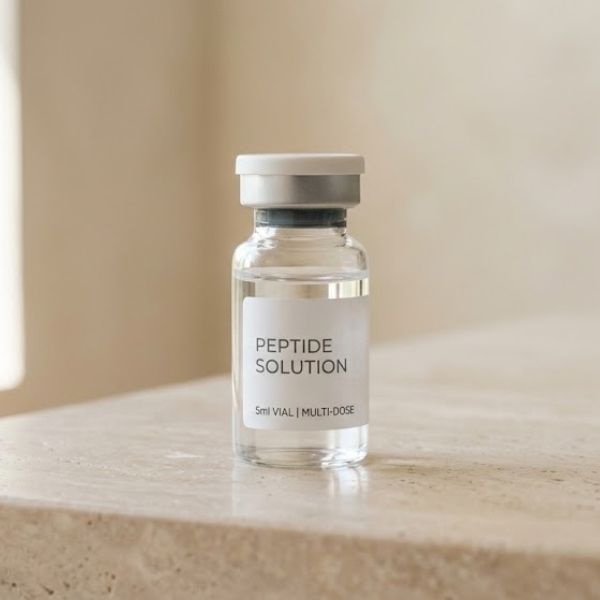
There is a meaningful difference between FDA-approved peptide medications and compounded or “research” peptides sold online or prescribed off-label.
FDA-approved peptides have undergone extensive safety testing and are strictly regulated for safety and effectiveness. Key examples:
- Semaglutide (GLP-1 receptor agonist): approved for type 2 diabetes and chronic weight management. FDA-approved GLP-1 receptor agonists are effective for regulating appetite and blood sugar, helping treat diabetes and improve blood sugar control.
- Tesamorelin: approved for HIV-associated lipodystrophy, a synthetic peptide analogue of growth hormone-releasing hormone.
- Teriparatide: approved for osteoporosis to increase bone formation, including in cases of advanced prostate cancer, dulaglutide treatment-related bone loss, and follicle-stimulating hormone changes in hormonal imbalances.
Certain formulations assist in optimizing endocrine function and metabolic balance. Some peptides aim to aid weight management and overall metabolic health. Peptides can enhance metabolic function and body composition. Peptides can support fat metabolism without affecting blood sugar levels, and some peptides may improve sleep quality and mental clarity. Peptide therapy may help maintain gut integrity and nutrient uptake.
However, many peptides promoted in wellness clinics lack robust human clinical trial evidence. Many claims about muscle mass gains, rapid fat loss, or fat breakdown rely on animal data or small preliminary human trials. Clinical research is ongoing but far from conclusive for most non-approved compounds.
Safety, Side Effects, and Potential Risks of Peptide Therapy
Peptide therapy is generally well-tolerated when medically supervised, but transparency about potential risks matters. Consulting a qualified healthcare provider is crucial before starting peptide therapy.
Common mild side effects include:
- Temporary redness, itching, or swelling at the injection site
- Mild water retention or headaches
- Transient digestive upset (some users report gastrointestinal issues from peptide injections)
- Improper peptide administration can lead to minor side effects like headaches or site irritation
More serious but less common risks include hormone imbalances, changes in blood sugar or blood pressure, interaction with existing medications, and theoretical concerns about stimulating growth in undiagnosed tumors. Cardiovascular disease risk factors should be assessed. Severe chronic pain or allergic reactions are possible, particularly with unregulated compounds. Injecting unregulated peptides can trigger severe allergic reactions.
The gray-market warning is critical: compounded peptides are not FDA-approved and may pose safety risks. Unregulated peptides may contain harmful impurities, and long-term effects of unregulated peptides are largely unknown. Products labeled “for research use only” are a red flag. Nearly 990 adverse event reports have been filed for compounded semaglutide alone as of mid-2026.
A responsible clinic performs baseline labs, reviews medical history, monitors markers over time, and adjusts or stops therapy promptly if adverse changes appear. This is non-negotiable for safe practice in modern medicine.
What to Expect from a Medically Supervised Peptide Therapy Program
A typical program follows a clear structure:
- Initial consultation covering health history, goals (muscle recovery, body composition, anti-aging, sleep, energy production, immune defense), and screening for contraindications
- Baseline lab work including hormone levels, fasting glucose, inflammatory markers, liver and kidney function
- Selection of a specific peptide or peptide stack tailored to individual needs, possibly combined with IV therapy, cryotherapy, red light therapy, or anti-inflammatory lifestyle coaching
Realistic timelines include loading phases over the first 8 to 12 weeks, check-ins every 4 to 8 weeks, and program lengths of 3 to 6 months or longer. Lifestyle foundations are essential: resistance training, nutrition with adequate dietary supplements and protein, sleep, and stress management determine how well peptides stimulate the body’s response. Peptides amplify good habits but cannot replace them.
Track progress with objective markers: strength numbers, recovery time after workouts, sleep duration and quality, body measurements, and lab values like IGF-1, fasting glucose, and CRP.
Common Questions About Peptide Therapy (FAQs)
How long does it take to see results from peptide therapy?
Many clients notice subtle changes like better sleep, improved muscle recovery, and slightly increased energy within 2 to 6 weeks. More visible changes in muscle growth, body composition, or skin quality typically take 8 to 12 weeks or more. Response time varies with age, baseline health, adherence, and the type of peptide. Providers reassess and adjust dosing if there is no improvement after a reasonable trial period.
Are peptides the same as steroids?
No. Peptides are short chains of amino acids that act as signals. Anabolic steroids are synthetic hormones related to testosterone. Although both appear in performance enhancement conversations, their mechanisms, side-effect profiles, and legal status differ significantly. Peptides should not be viewed as a one-to-one replacement for steroids.
Can peptide therapy help with both muscle growth and fat loss?
Yes, potentially. Certain peptides support muscle growth and recovery while others influence appetite, insulin sensitivity, or fat metabolism, assisting body recomposition. Certain growth hormones pathways can be activated to support muscle growth alongside weight management goals. Sustainable changes still depend on calorie balance, macronutrient intake, and exercise. Peptides make those lifestyle efforts more effective.
Who is a good candidate for peptide therapy?
Typical candidates are adults experiencing slower muscle recovery, stubborn body composition challenges despite training, early hormonal imbalances, or chronic inflammation and fatigue. People with active cancers, uncontrolled autoimmune disease, or uncontrolled diabetes require careful specialist input before considering any peptide program.
How are peptide injections given, and do they hurt?
Subcutaneous injections use very small insulin-style needles, usually into the abdomen or thigh. Most clients report only brief pinching or mild discomfort. Reputable clinics provide in-person training, clear written instructions, and ongoing support for safe self-administration at home.
Can I buy peptide supplements online and use them on my own?
There is a significant difference between mainstream over-the-counter products like collagen powders, which are legitimate dietary supplements, and unregulated “research peptides” sold online with “not for human use” labels. Self-injecting gray-market peptides carries real contamination risk, dosing uncertainty, and zero medical oversight. Always work with a licensed provider for anything beyond standard collagen or protein supplements.
Why Choose a Local, Integrated Wellness Center for Peptide Therapy
A brick-and-mortar wellness center in Massachusetts that combines peptide therapy with cryotherapy, IV vitamin therapy, red light therapy, and infrared sauna offers something online peptide sellers simply cannot: holistic, clinician-led care with real-time adjustments. In-person assessments, onsite lab coordination, and the ability to modify protocols based on how you actually feel create a safety net that mail-order peptides never provide.
At Bonfire Wellness in North Andover, licensed providers use evidence-informed protocols, cautious dosing, and transparent education about such benefits and potential risks. The center understands the needs of health-conscious adults, recreational athletes, and busy professionals across the Merrimack Valley who want non-surgical, performance-oriented wellness options without the hype. Quality-controlled sourcing, integration with broader recovery and anti-inflammatory lifestyle programs, and genuine clinical oversight make the difference between guessing and knowing.
Next Steps: Is Peptide Therapy Right for Your Goals?
Peptide therapy can support muscle growth and recovery, skin health and anti-aging goals, metabolic health, and hormone regulation when supervised properly. It is not a shortcut, and it carries real potential risks that deserve honest conversation.
If you are struggling with slow recovery, plateaued progress, or early signs of aging and want to explore whether peptide therapy fits your situation, schedule a one-on-one wellness consultation at Bonfire Wellness. Review your health history, discuss personalized options, and decide whether peptide therapy, alone or combined with other services, makes sense for your goals, budget, and long-term health. An ethical provider will never pressure you into therapy. They will help you weigh the evidence and make a confident decision.