Table of Contents
- Understanding GLP-1 for Weight Loss
- How GLP-1 Medications Promote Weight Loss
- Who Is a Good Candidate for GLP-1 Weight Loss Treatment?
- Pros and Cons of GLP-1s for Weight Loss
- Side Effects, Safety, and What to Watch For
- GLP-1 Injections vs. Wegovy Pill and Other Oral GLP-1s
- Cost, Insurance Coverage, and Access to GLP-1 Medications
- Why GLP-1s Alone Are Not Enough: Building a Sustainable Weight Loss Journey
- How a Local Wellness Center Can Support You During GLP-1 Treatment
- Common Questions About GLP-1s, Weight Loss, and Wellness Support
- Why Choose a Local Wellness Partner for Your GLP-1 Weight Loss Journey
- Next Steps: Starting or Supporting Your GLP-1 Weight Loss Plan
If you have been researching weight loss medications over the past two years, GLP-1 drugs are likely at the top of your list. The conversation around these treatments has shifted from whispered curiosity to mainstream discussion, and for good reason: clinical trials have demonstrated that certain GLP-1 medications can help people lose 15 to 21 percent of their body weight. But a prescription alone does not tell the full story. This guide walks through how GLP-1s work, who they help most, what they cost, and why the lifestyle changes you build around them may matter just as much as the medication itself.
Understanding GLP-1 for Weight Loss
GLP-1 stands for glucagon-like peptide-1, a hormone your gut naturally produces after you eat. It signals your brain that you are full, helps regulate blood sugar, and slows the speed at which food leaves your stomach. GLP-1 medications mimic this hormone that regulates appetite, amplifying its effects far beyond what your body produces on its own. The first GLP-1 drugs were developed for type 2 diabetes care, but researchers quickly noticed that patients were also losing significant weight, which led to dedicated obesity trials starting in the early 2020s.
From 2024 through 2026, the landscape expanded rapidly. Semaglutide (marketed as Wegovy for weight management) and tirzepatide (marketed as Zepbound by Eli Lilly) became household names. Newer options like the Wegovy pill brought the same active ingredient into a daily pill form, giving people a choice between a once-weekly injection and an oral tablet. The shorthand “GLP-1s,” “GLP-1 drugs,” and “GLP-1 medications” all refer to this class, which now includes both injections and oral formulations.
It is worth stating clearly: these medications are one tool in a broader weight loss journey, not a replacement for healthy habits. Patients in the Merrimack Valley and North Andover area typically learn about GLP-1s from their primary care clinician, endocrinologist, or a weight management clinic. From there, many seek out supportive wellness services to protect muscle mass, maintain energy, and address the metabolic shifts that come with rapid weight change.
How GLP-1 Medications Promote Weight Loss
GLP-1 medications work through several overlapping mechanisms. They slow gastric emptying, meaning food stays in your stomach longer and you feel satisfied with smaller portions. They also act on appetite centers in the brain, reducing cravings and the constant background noise of hunger that derails so many dietary changes. The result is that people eat fewer calories without the grinding willpower battle that characterizes most traditional diets.
These drugs also help the pancreas release insulin when blood sugar is high and suppress glucagon, which raises blood sugar. By keeping glucose levels more stable after meals, GLP-1s reduce the energy crashes that often trigger snacking or overeating. This mechanism also helps regulate blood sugar over the long term, improving markers of insulin resistance and prediabetes.
The clinical trials behind these medications are extensive. In clinical trials, Wegovy users lost about 15 percent of their body weight over roughly 68 weeks. Zepbound users lost up to 21 percent of their starting body weight at the highest dose over a similar period. The Wegovy pill, which contains the same active ingredient as injectable Wegovy, showed average weight loss around 16.6 percent in adherent participants. These numbers represent averages; individual results depend on dose, adherence, starting health conditions, and lifestyle changes made alongside the medication.
Both injectable GLP-1s like the once-weekly injection of Wegovy and oral options like the daily pill require lifestyle support for lasting results. The most durable outcomes in research come when GLP-1 therapy is combined with nutrition coaching, regular exercise, stress management, and adequate sleep.
Who Is a Good Candidate for GLP-1 Weight Loss Treatment?
Current guidelines generally follow FDA-approved criteria. A BMI of 30 or above qualifies for GLP-1s. A BMI of 27 or above with a weight-related health condition-such as high blood pressure, high cholesterol, type 2 diabetes, obstructive sleep apnea, or liver disease-also qualifies. GLP-1s are approved for adults aged 18 and older, and individuals under 18 may be eligible after provider consultation depending on the specific medication.
Before prescribing, a qualified health care provider reviews the patient’s full health history. This includes past weight loss attempts, personal or family history of medullary thyroid cancer or MEN2 syndrome, gallbladder disease, kidney problems, current medications, and any medical condition that might affect tolerability. GLP-1 medications should be prescribed and monitored by a clinician who can adjust doses and watch for complications.
GLP-1s tend to be especially helpful for people who have hit a plateau after structured diet and exercise, those with intense hunger or binge eating patterns that make calorie restriction unsustainable, and individuals carrying risk factors for heart disease, diabetes, or severe obstructive sleep apnea. They are generally not appropriate for people with a personal or family history of medullary thyroid cancer, certain endocrine disorders, pregnancy, or active severe gastrointestinal disease. Only a licensed healthcare provider can make the final call.
If you are in North Andover or the surrounding communities, the first step is a conversation with your primary care clinician or an obesity medicine specialist. Once a treatment plan is in place, local wellness services can help you build the non-drug side of your approach.
Pros and Cons of GLP-1s for Weight Loss
GLP-1 drugs can be life-changing for some people and poorly suited for others. Weighing the evidence honestly helps you make a confident decision with your clinician.
Pros:
- Substantial weight loss-10 to 22 percent of starting body weight in many clinical trials-when paired with dietary changes and movement
- Improved blood sugar control and lower A1c in people with prediabetes or type 2 diabetes
- Reduced high blood pressure and high cholesterol in many participants
- Wegovy reduced the risk of major adverse cardiovascular events by 20 percent in people with established heart disease
- Better mobility, sleep quality, and overall health markers as weight comes down
Cons:
- High cost without insurance coverage, often hundreds to over a thousand dollars per month
- Long-term use of GLP-1 medications may be necessary to prevent weight regain; stopping the drug frequently leads to appetite returning and weight creeping back
- Potential side effects include nausea, vomiting, diarrhea, and gallbladder issues
- Approximately 25 percent of weight lost may come from lean muscle mass if patients do not prioritize protein and resistance training
- Injection anxiety for some; oral forms have restrictions around empty stomach timing and interactions with other medications
The best approach is to weigh these factors alongside your healthcare provider and plan from day one how you will support your body with non-pharmacologic strategies.
Side Effects, Safety, and What to Watch For
The most common side effects of GLP-1 medications include nausea and vomiting, particularly during the early weeks of treatment. Nausea is a common side effect of GLP-1s that tends to decrease as your body adjusts. Vomiting occurs frequently when starting GLP-1 treatment, especially during dose escalation. Diarrhea is another common side effect of GLP-1 medications, and constipation can also occur with GLP-1 use. Most prescribers manage this by titrating the dose slowly over several weeks, starting low and increasing gradually.
Warning signs that require urgent medical attention include severe abdominal pain that could signal pancreatitis, signs of gallbladder disease such as sharp pain under the ribs, persistent vomiting leading to dehydration, and any serious allergic reaction. Patients with chronic kidney disease or those taking medications like diuretics face increased risk of acute kidney injury if they become dehydrated. Animal studies indicate possible links between GLP-1 medications and thyroid tumors, which is why the drugs carry warnings for anyone with a family history of medullary thyroid cancer.
Less discussed but equally important: when appetite drops dramatically, some people simply stop eating enough. Under-consuming protein accelerates muscle mass loss. Skipping meals entirely can leave you fatigued and nutrient-depleted. A structured nutrition plan is not optional-it is part of the treatment. GLP-1 medications are FDA-approved and considered safe when used as directed under medical supervision, but long-term effects are still being studied, so ongoing follow-up and lab work remain standard parts of care.
GLP-1 Injections vs. Wegovy Pill and Other Oral GLP-1s
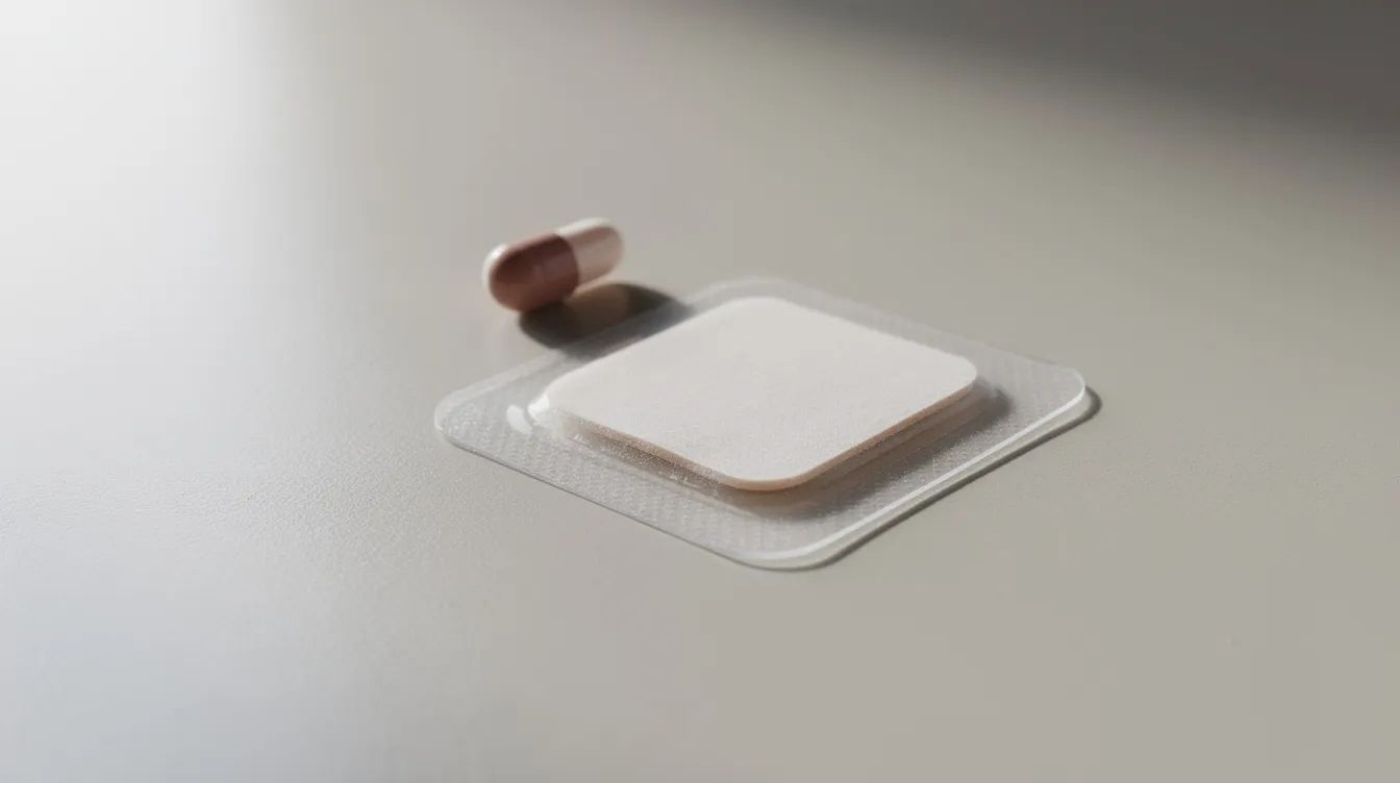
GLP-1s were originally available only as injections because digestive enzymes break down peptide drugs before they can be absorbed. The active ingredient in oral formulations survives the GI tract through specialized absorption-enhancer technology, though bioavailability is lower and doses are adjusted accordingly. The Wegovy pill, approved for weight management, offers a daily oral alternative to the weekly injection.
Key practical differences:
| Factor | Injectable GLP-1s | Oral GLP-1s |
|---|---|---|
| Dosing schedule | Once-weekly injection | Daily pill |
| Food timing | No food restrictions | Must be taken on an empty stomach |
| Needle required | Yes | No |
| Weight loss range | ~15–21% in trials | ~11–17% in trials |
Gastrointestinal side effects are similar for pills and injections. Weight loss from pills and injections is broadly comparable in many trials, with injections holding a modest edge but pills offering real convenience for people who dislike needles or travel frequently. Discuss with your prescriber whether an injectable or oral GLP-1 fits your lifestyle, other medications, and digestive tolerance.
Cost, Insurance Coverage, and Access to GLP-1 Medications
Cost remains one of the biggest barriers. Brand-name GLP-1 weight loss medications like Wegovy and Zepbound carry list prices exceeding $1,000 per month. GLP-1 medications can cost up to $500 per month even through discount programs, and self-paying patients can access GLP-1s for as low as $149 per month through introductory price offers on lower-dose formulations. Manufacturer savings cards and subscription models help reduce the sticker shock, but they often expire or apply only to specific doses.
Insurance coverage for GLP-1s used solely for weight management varies wildly. Only 19 percent of large employer plans covered GLP-1s for weight loss in 2025. Many exchange plans exclude them entirely or require documentation of failed diet attempts. Medicare will cover select GLP-1s starting July 1, 2026, through the GLP-1 Bridge program, and Medicare beneficiaries can access GLP-1s through this Bridge program with a $50 copay under qualifying conditions. Monthly costs for GLP-1s may drop to tens of dollars with insurance once coverage is confirmed.
Beyond the drug itself, factor in hidden costs: lab work, follow-up visits with your healthcare provider, nutrition services, gym memberships, and supportive wellness therapies. Telehealth and direct-to-consumer services advertise lower cash prices but may lack the full in-person evaluation and long-term lifestyle support that produce durable results. Budget for the whole journey, not just the prescription.
Why GLP-1s Alone Are Not Enough: Building a Sustainable Weight Loss Journey
GLP-1 medications can reduce hunger and help people lose weight, but without changes in daily lifestyle habits, most of the lost weight tends to return after stopping the drug. The appetite suppression these medications work through is powerful, yet it does not build the habits, muscle, or metabolic resilience that keep weight off for years.
The pillars that should accompany GLP-1 therapy:
- Nutrition: Adequate protein intake (at least 1.2 to 1.6 grams per kilogram of ideal body weight), healthy fats, and micronutrient-dense foods. When appetite is low, prioritize smaller, protein-forward meals rather than skipping meals entirely.
- Resistance training: Proper protein intake and resistance exercise are crucial during GLP-1 treatment to preserve muscle mass. Even two to three sessions per week can protect lean tissue.
- Cardio and movement: Regular exercise-walking, swimming, cycling-supports cardiovascular fitness and mood.
- Sleep and stress: Poor sleep increases hunger hormones, and chronic stress raises cortisol, which can promote fat retention. Address both with consistent routines.
Integrative therapies can also play a role. Cryotherapy after workouts may reduce inflammation and soreness, keeping you moving consistently. IV vitamin and hydration therapy can help replenish nutrients when appetite is suppressed. Red light therapy supports cellular health and recovery, and infrared sauna sessions promote relaxation and stress relief. The goal is not just losing body weight but improving cellular health, strength, and longevity markers that persist even if medications are tapered later.
How a Local Wellness Center Can Support You During GLP-1 Treatment
A brick-and-mortar wellness and recovery center in North Andover can work alongside your prescribing clinician to support safe, effective weight loss. At Bonfire Wellness, services like whole-body cryotherapy help reduce soreness after workouts so you stay consistent with training. IV hydration and targeted vitamin drips address the nutrient gaps that develop when appetite drops. Peptide programs, red light therapy, and infrared sauna sessions round out a recovery toolkit designed for people in active treatment.
A wellness assessment establishes baseline metrics-body composition, energy levels, recovery capacity-so you can track real progress beyond the scale. Many local clients build routines around memberships: weekly cryotherapy to keep joints comfortable while ramping up exercise, or regular red light therapy sessions to counter the fatigue that can accompany Massachusetts winters and calorie reduction alike.
Bonfire Wellness does not prescribe GLP-1 medications. The focus is on helping clients protect their overall health, performance, and longevity while they use GLP-1s under medical supervision elsewhere.
Common Questions About GLP-1s, Weight Loss, and Wellness Support
Below are the most frequent questions people in the Merrimack Valley ask when considering GLP-1 medications and supportive wellness services.
How much weight can you realistically lose with GLP-1 medications?
Results vary by medication and individual. In clinical trials, Wegovy users lost about 15 percent of their body weight. Zepbound users lost up to 21 percent of their body weight at the highest dose. Foundayo users lost an average of 11 percent of their body weight, and Saxenda users lost about 8 percent of their starting body weight. Real-world results depend on adherence, dose, treatment goals, and the lifestyle changes you build alongside the drug. Protecting muscle mass through adequate protein and resistance training matters as much as the number on the scale.
How long do you need to stay on GLP-1 drugs for weight loss?
Most clinical trials run 68 to 72 weeks, and the data consistently show weight regain when medications stop. Many prescribers now think of GLP-1s as long-term or chronic therapy rather than a short course. Any plan to taper off should be coordinated with your healthcare provider and paired with strong lifestyle habits and a wellness routine to minimize rebound.
What happens to your body when you stop GLP-1 medications?
Appetite typically returns, cravings increase, and weight tends to creep back without a solid nutrition and movement plan. Strategies that help include gradual dose reductions supervised by your clinician, continued strength training, mindfulness around hunger cues, and supportive therapies for stress and sleep management.
Can you exercise normally while taking a GLP-1 drug?
In most cases, movement is encouraged and strongly beneficial. Some people need to ease in during the first few weeks while adjusting to GI side effects or lower calorie intake. Local clients often combine GLP-1s with low-impact cardio, progressive strength training, and recovery services like compression therapy or cryotherapy to manage soreness.
Are GLP-1 weight loss medications safe for everyone over 50?
Age alone does not rule out GLP-1 use, but older adults need careful evaluation. Your provider will review your health history for heart disease, kidney function, bone density concerns, and interactions with other medications you may be taking. Muscle preservation and balance training are especially important for this age group, and wellness services like red light therapy and targeted IV support can help maintain strength and energy while weight comes down.
Do you still need vitamins, IV therapy, or other wellness support if you are on a GLP-1?
GLP-1s do not replace micronutrients, hydration, or recovery. In fact, low appetite can increase the risk of nutrient shortfalls and fatigue. Targeted IV vitamin and hydration therapy, red light therapy, and sauna sessions may help some people feel stronger and more energized through their weight loss journey. These services should complement-not replace-professional medical advice and ongoing clinical monitoring.
Why Choose a Local Wellness Partner for Your GLP-1 Weight Loss Journey
Bonfire Wellness serves as a trusted, local ally for people using GLP-1 medications. While your prescribing clinician manages the drug and monitors labs, Bonfire focuses on recovery, inflammation reduction, and longevity-the elements that turn weight loss into lasting health improvement.
What sets this apart:
- In-person support in North Andover with science-based services including cryotherapy, IV therapy, peptides, red light therapy, and infrared sauna
- Personalized programs built around your health history, treatment plan, and recovery capacity
- Collaborative approach: staff encourage clients to share lab results or physician recommendations so wellness plans align with medical care
- Flexible membership and package options that fit around work, family, and the realities of a busy schedule
The goal is not just rapid weight loss but healthier, more resilient cells, joints, and cardiovascular fitness that support long-term wellbeing.
Next Steps: Starting or Supporting Your GLP-1 Weight Loss Plan
Here is a practical roadmap:
- Talk with your provider. Discuss GLP-1 eligibility with a primary care clinician or obesity specialist. Review your full health history, risk factors, and treatment goals.
- Get your prescription and monitoring plan in place. Confirm insurance coverage, understand your costs, and set up follow-up labs.
- Schedule a wellness consultation. Once your medical plan is underway, connect with Bonfire Wellness to design supportive therapies and lifestyle strategies that protect your muscle, energy, and metabolic health.
Bring your questions about cryotherapy, IV drips, peptide support, infrared sauna, red light therapy, and anti-inflammatory lifestyle coaching so a personalized plan can be created around your needs.
Whether or not you ultimately use GLP-1 medications, you deserve a weight loss approach that protects your energy, mood, and long-term health-not just your scale number. Reach out to Bonfire Wellness in North Andover to start building that plan today.