Table of Contents
- What Is Red Light Therapy?
- How It Works in the Skin
- Proven Skin Benefits
- Other Conditions Like Hair Loss
- Safety and Side Effects
- Who Should Avoid It
- In-Clinic vs At-Home Devices
- What to Expect in a Session
- How Often to Do It
- Combining with Skin Care
- Choosing a Red Light Device
- FAQs
- Why Choose a Local Wellness Center
- How to Get Started
What Is Red Light Therapy? (Quick Overview)
Red light therapy uses visible red light and near-infrared light, typically in the 630 to 700 nm and 800 to 850 nm wavelength ranges, to support the skin’s natural repair processes. The treatment is non-invasive, does not heat or burn human skin, and carries none of the DNA damage risks associated with ultraviolet tanning beds or prolonged sun exposure.
You may see it listed under other names: photobiomodulation, low-level light therapy, low-level laser therapy, or LED light therapy. These terms describe the same core approach, using light-emitting diodes or low-power laser therapy devices to deliver controlled doses of visible light and near-infrared light to living tissue. Red light therapy is also known as low-level light therapy or photobiomodulation in peer-reviewed literature.
People encounter red light treatment in dermatology clinics, medical spas, wellness centers like Bonfire Wellness in North Andover, and through at-home device options such as panels, red light masks, and handheld wands. This article focuses on skin health and skin conditions, with shorter sections on hair loss and recovery. The goal is to give you specific, evidence-based information so you can decide whether red light therapy fits your needs.
How Does Red Light Work in the Skin? (Science Made Simple)
Understanding the effects of red light at the cellular level helps explain why this non-invasive treatment produces visible changes in the skin over time.
Every cell in your body contains mitochondria, the structures responsible for producing adenosine triphosphate (ATP), the molecule that fuels cellular processes. Mitochondria produce more ATP with red light exposure because red and near-infrared photons are absorbed by a protein called cytochrome c oxidase (part of Complex IV in the mitochondrial electron transport chain). This absorption displaces nitric oxide, which otherwise competes with oxygen and slows energy production. The result: red light therapy enhances mitochondrial function in cells, restoring normal respiration and boosting ATP output.
Red light wavelengths ranging from 630 to 660 nm are absorbed primarily in the epidermis and upper dermis, making them effective for surface-level concerns like fine lines, skin texture, and redness. Near-infrared light treatment at 800 to 850 nm penetrates deeper into connective tissue, reaching dermal fibroblasts, blood vessels, and subcutaneous layers. That deeper reach is why near-infrared wavelengths are studied for blood circulation improvement, inflammation control, and tissue repair. Red light therapy improves blood circulation through mild vasodilation, which brings more oxygen and nutrients to treated areas.
One principle guides dosing: the biphasic response. Too little light produces minimal effect. Too much can inhibit cellular processes or cause irritation. Professional protocols aim for a therapeutic middle, typically measured in milliwatts per square centimeter (irradiance) and joules per square centimeter (fluence). This dose window is why a calibrated device and a clear protocol matter.
These cellular changes connect to visible outcomes: improved collagen production, better microcirculation, calmer inflammation, and faster skin healing. Red light therapy stimulates collagen production in the skin, and photobiomodulation improves wound healing and reduces inflammation at the tissue level. Red light therapy may also reduce oxidative stress and inflammation via activation of antioxidant defense pathways.
Skin Health Benefits: What the Research Actually Supports
Scientific evidence for red light therapy is strongest in skin aging, wrinkle reduction, and mild acne. The data is more mixed for pigmentation disorders, rosacea, and chronic inflammatory skin conditions. Here is what clinical trials have found for each major concern.
Anti-aging and skin rejuvenation. Red light therapy can improve collagen production, and studies show red light therapy reduces wrinkle depth after consistent treatment. A controlled trial with 52 human participants using 660 nm red light at approximately 5.17 joules per session over 12 weeks produced measurable reductions in periorbital wrinkle depth. A separate randomized controlled trial testing a mask combining 630 nm red light and 850 nm near-infrared over 16 weeks found that 69% of participants showed improvement in crow’s feet wrinkles by independent rater assessment, with an effect separation from sham of about 49%. Two randomized controlled trials in this space confirm that intradermal collagen density increase occurs alongside wrinkle reduction after 8 to 16 weeks of consistent use. Red light therapy enhances skin texture and elasticity as a downstream effect of this collagen remodeling.
Fine lines, tone, and radiance. Red light therapy is used to enhance overall skin appearance and reduce aging signs. Improvements in skin roughness, plumpness, and overall glow typically appear within 4 to 8 weeks of consistent sessions. These changes are subtle and natural-looking. They result from the skin’s own repair cycle, not from chemical peeling or ablative resurfacing, which is why red light therapy is often described as a tool to reverse skin aging signs gradually rather than dramatically.
Acne treatment. A systematic review of at-home LED devices across six randomized controlled trials (approximately 216 human participants with mild to moderate acne) found that blue light and red light combinations reduced inflammatory lesion counts compared to sham or white light controls. In a separate meta-analysis, approximately 89% of participants receiving treatment with blue and red visible light had partial resolution of lesions, and about 9% had complete resolution. Red light therapy may reduce acne severity when used as part of a broader acne treatment plan. Blue light therapy targets acne-causing bacteria at the surface, while red light calms the inflammation underneath. It may also help with post-inflammatory healing from acne. Adverse effects across these studies were mild: temporary redness and dryness that resolved within a day.
Redness, sensitive, and irritated skin. Preliminary evidence suggests red light therapy may help calm inflammatory skin conditions like rosacea and eczema. The mechanism likely involves reduced expression of inflammatory cytokines such as IL-1β and TNF-α. Results vary, and light therapy for these conditions is typically an add-on to medical care rather than a standalone solution. Red light therapy also shows promise for treating psoriasis, though more research is needed in this area.
Wound healing and scars. Red light therapy may accelerate wound healing by increasing fibroblast proliferation and reducing fibrosis. Some clinicians apply red light after procedures such as microneedling, fractional laser, or surgery to reduce swelling and discoloration. Scar softening is gradual, often requiring weeks to months. Newer, shallower scars respond better than older, deeper ones.
Red light therapy can improve skin conditions such as fine lines and wrinkles, but it supports the skin’s own repair processes rather than acting like an instant eraser. Multiple sessions over weeks or months are the norm for visible change. Patient satisfaction in published trials tends to be highest among those who maintained consistent schedules.
Beyond Skin: Hair Loss and Other Medical Conditions
While this article centers on skin care and skin health, many people discover red light therapy through claims about hair growth and other medical conditions.
Hair loss. Low-level laser therapy caps and helmets have received FDA clearance for pattern hair loss in specific cases. Clinical trials report modest increases in hair density and thickness after 4 to 6 months of regular use. Red light therapy may stimulate hair follicle growth when used consistently, and it can improve hair growth in individuals whose follicles are still viable. Hair regrowth is unlikely where hair follicles have been permanently destroyed. Results for thinning hair vary, and the treatment works best as part of a broader plan that may include topical or oral therapies.
Muscle recovery and joint pain. Red light photobiomodulation is studied for tendinopathy, chronic wound repair, and joint inflammation. Data from multiple trials show pain reduction and improved range of motion, but effect sizes are inconsistent and protocols differ. Light therapy for musculoskeletal conditions should not replace medical evaluation for serious injuries or arthritis.
Other medical conditions. Research into red light for neurodegeneration, metabolic regulation, mental health, and retinal disease is in early stages. A 2026 review in the Journal of Photochemistry and Photobiology B identified clustering in tissue regeneration, anti-inflammation, and neuroprotection but emphasized that sample sizes remain small and long-term safety data are limited. Relying on red light therapy for unproven indications or serious medical conditions without physician oversight is not advisable.
For most readers, the best-supported use of red light therapy remains as part of a broader skin health and recovery plan.
Is Red Light Therapy Safe? What You Need to Know
When used correctly, red light therapy is generally safe with minimal side effects. Red light therapy is considered safe and non-toxic. It carries far less risk than UV tanning, ablative lasers, or chemical peels.
Red light therapy is not associated with skin cancer risks like UV light. The wavelengths used (630 to 850 nm) are non-ionizing and non-thermal at recommended doses, meaning they do not damage DNA directly. The American Academy of Dermatology states there is no evidence that red light causes skin cancer. Short-term use of red light therapy has minimal side effects across published trials.
Some individuals may experience temporary redness or irritation from red light therapy. Potential side effects include temporary skin redness and discomfort, mild warmth, tightness, or slight dryness that typically fades within hours. These reactions are more common when the dose is too high or when skin is already sensitized by topical retinoids or acids.
Less common issues include discomfort in people with very sensitive or inflamed skin, and rare headache or eye strain when eye protection is not used. Red light can harm the eyes at high intensities. In-office treatments should always provide protective goggles, and at-home users should wear eye protection and avoid staring directly at LEDs or lasers. Protective eyewear is recommended when using high-intensity red light devices; always wear protective goggles during sessions.
One important caveat: long-term safety of red light therapy devices is not fully known. While short-term data across hundreds of human participants look favorable, few studies have followed users beyond 12 months of regular exposure. Anyone with a history of skin cancer, eye disease, or photosensitivity disorders should clear red light therapy with their dermatologist or physician before starting.
Who Should Avoid or Use Extra Caution with Red Light
This section serves as a practical checklist. If any of the following apply to you, consult a physician before trying red light therapy.
- History of melanoma or aggressive skin cancers on or near the treatment area. While red light itself does not cause skin cancer, the interaction with cancerous or pre-cancerous tissue is not well studied.
- Photosensitive conditions such as lupus erythematosus or certain porphyrias, or use of photosensitizing medications including tetracycline antibiotics, some acne medications, certain psychiatric drugs, and diuretics.
- Uncontrolled medical conditions such as active infections, open or weeping wounds, or severe inflammatory skin flares. Receiving treatment during an acute flare can worsen irritation.
- Pregnant individuals. Evidence is limited; most providers recommend a cautious, case-by-case approach because controlled human data during pregnancy are sparse.
- Children and teens should only use red light therapy under medical supervision, especially for chronic skin conditions. Developing skin and eyes may respond differently than adult tissue.
In-clinic evaluation is safer than trial-and-error at home whenever there is uncertainty about whether red light therapy is appropriate.
In-Clinic Treatments vs At-Home Red Light Devices
Professional-grade red light devices in wellness or dermatology settings differ from consumer panels, red light masks, and wands in several measurable ways.
| Factor | In-Clinic | At-Home |
|---|---|---|
| Power output | Higher irradiance, calibrated delivery | Variable; often lower power density |
| Dose control | Precise fluence per session | Relies on user following instructions |
| Coverage | Full-body panels or large facial arrays | Masks, wands, or small panels |
| Safety oversight | Protective goggles provided, professional monitoring | User-dependent; eye protection may not be included |
| Cost structure | Per-session or membership fees | One-time purchase (ranges from $50 to $1,000+) |
Pros of in-clinic red light therapy. A trained provider assesses your skin health, reviews medical conditions and medications, and selects a protocol (session length, device distance, frequency) matched to your goals. Sessions can be integrated with facials, infrared sauna, compression therapy, or cryotherapy for whole-body recovery. Clinics typically use FDA-cleared devices tested for specific cosmetic indications.
Pros and limitations of at-home devices. Convenience and daily-use potential are the main draws. Upfront cost can be lower than months of clinic visits. The risk: buying an underpowered or poorly made at-home device that delivers inconsistent wavelengths or inadequate irradiance. Without professional guidance, following a consistent protocol is harder, and improper use reduces effectiveness or raises risk. Many consumer red light devices lack published clinical data to support their marketing claims.
A hybrid approach works well for many people: a series of professional sessions (6 to 12 over 8 to 12 weeks) to jump-start results, then an evidence-based home device for maintenance.
What to Expect During a Professional Red Light Therapy Session
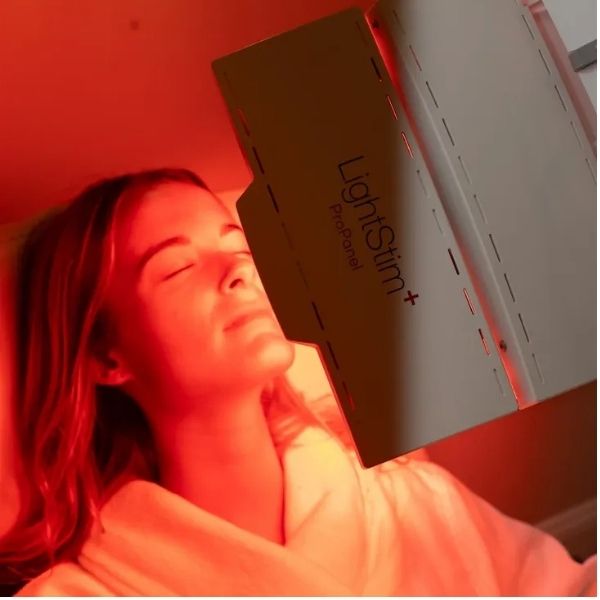

A typical red light therapy session at a wellness center lasts 15 to 20 minutes and follows a straightforward sequence.
- Consultation. Before your first session, a provider reviews your skin goals, current skin care products, and any medical conditions or medications that could affect treatment.
- Preparation. The treatment area is cleansed to remove makeup, SPF, and heavy oils. Red light therapy should be applied on clean skin free of heavy products so photons can reach the target tissue without obstruction.
- Treatment. You are positioned under a red light device or panel at a set distance, typically 6 to 12 inches from the skin. Protective goggles are provided. The light is bright and warm but not painful; there are no needles, no burning, and no downtime.
- Combination options. Depending on the center, you may combine your session with compression therapy, a facial, or other recovery services. At Bonfire Wellness, for example, clients often pair red light with infrared sauna or cryotherapy sessions.
After treatment, skin may look slightly flushed or more radiant. Most people return to work or exercise immediately. Your provider may recommend avoiding harsh exfoliants or intense heat sources (hot yoga, steam rooms) for the rest of the day.
How Often Should You Use Red Light Therapy for Skin Health?
Consistency in using red light therapy is necessary for visible results. The therapeutic effects of red light therapy are enhanced with consistent use over weeks, not from a single session.
Red light therapy typically requires multiple sessions to see results. Here are practical schedules drawn from published trials:
- Skin rejuvenation and anti-aging: 2 to 3 sessions per week for 8 to 12 weeks, then weekly or biweekly maintenance. This aligns with wrinkle trials showing measurable change at 12 to 16 weeks.
- Active acne or inflamed skin conditions: 3 to 5 shorter sessions per week for several weeks, with a dermatologist guiding duration and intensity. Published acne trials ranged from 4 to 12 weeks.
- Post-procedure recovery: Daily or near-daily sessions for 1 to 2 weeks if recommended by the treating clinician, to reduce swelling and support skin healing.
Optimal frequency depends on the strength of the red light device you are using, your skin type and sensitivity, baseline skin conditions, and whether other treatments (retinoids, acids, procedures) are part of your skincare routine. Do not exceed manufacturer or provider instructions in hopes of faster results. More red light in one day does not produce better outcomes and can push you past the therapeutic dose window into irritation.
Combining Red Light Therapy with Your Skin Care Routine
Red light therapy does not replace foundational skin care practices. It works best as one component of a broader approach to skin health.
Timing. Use red light on clean, dry skin before applying thick creams or sunscreens. If you use active serums such as vitamin C or peptides, apply them after the session unless your provider advises otherwise.
Pairing with common ingredients:
- Retinoids and exfoliating acids: reduce strength or frequency on treatment days if you notice irritated skin or increased sensitivity.
- Hydrators, ceramides, and barrier-supporting moisturizers: excellent companions that help the skin repair and maintain results between sessions.
What red light therapy cannot replace: daily broad-spectrum sunscreen, adequate sleep, low-inflammatory nutrition, stress management, and consistent hydration. These habits form the foundation of long-term skin health. Red light therapy amplifies results when these basics are already in place.
Coordinating with other services. Red light therapy pairs well with holistic facials, microneedling, cryotherapy, and infrared sauna. A provider can design safe combination protocols, spacing treatments appropriately so the skin is not over-stressed. At Bonfire Wellness, clients often build multi-service wellness plans that layer these modalities for recovery and skin rejuvenation.
How to Choose a Safe and Effective Red Light Device
If you are considering a home red light device, here is what to evaluate before purchasing.
Wavelength. Devices should specify wavelengths of 630 to 660 nm for red light and optionally 800 to 850 nm for near-infrared. Avoid products that list only “red” or “infrared” without publishing exact nanometer ranges.
Irradiance and dose. Choose light devices that disclose power density (mW/cm²) and recommended session times. Without these numbers, you cannot calculate whether you are under- or over-treating. Published wrinkle trials used approximately 5 J/cm² daily or 10 mW/cm² over 15 to 20-minute sessions.
Safety and regulatory status.
- FDA-cleared devices should be used for red light therapy to ensure safety. FDA clearance indicates safety and efficacy for red light devices tested against specific cosmetic indications.
- RLT masks are classified as Class II medical devices by the FDA when cleared for wrinkle or acne treatment.
- Consult the FDA’s 510(k) database to verify a device’s clearance status before purchasing.
- Look for UL or equivalent safety certifications, automatic shutoff timers, and heat management features.
- Peer-reviewed studies enhance the credibility of red light therapy devices; check whether the manufacturer cites published data or just testimonials.
Practical factors. Consider coverage area (mask vs panel vs handheld), build quality, warranty, and realistic expectations for what a consumer-grade device can deliver. Be skeptical of exaggerated marketing promises such as guaranteed wrinkle erasure, dark spot removal in days, or dramatic weight loss. Transparent brands reference specific wavelengths, published trials, and clear dosing instructions.
Frequently Asked Questions About Red Light Therapy for Skin
Below are answers to the questions clients ask most often about red light treatment for skin health.
Does red light therapy really work for wrinkles and fine lines?
Multiple clinical trials with human participants have shown measurable improvements in wrinkle depth, skin smoothness, and elasticity after consistent use, typically 2 to 3 times per week for 8 to 12 weeks. One controlled trial using 660 nm light over 12 weeks found reduced periorbital wrinkle depth. A 16-week mask trial reported 69% of participants improved by independent assessment. Results are usually subtle and natural-looking, not as dramatic as surgery or aggressive lasers. Maintenance sessions and good skin care help sustain improvements. Red light therapy can improve skin conditions such as fine lines and wrinkles when used as part of a realistic expectations framework.
Is red light therapy safe for all skin tones?
Red and near-infrared light therapy appears safe across the full range of skin tones because it does not target melanin the way some ablative or pigment-specific lasers do. That said, people with darker skin tones may still be sensitive, so starting with shorter sessions and monitoring for irritation is wise. Some acne trials have included Fitzpatrick III through VI participants with favorable results, but careful protocol adjustments (lower irradiance, shorter duration) reduce risk of hyperpigmentation.
Can red light therapy help with acne and acne scars?
For active acne, red light may calm inflammation and speed healing of breakouts, and it is often combined with blue light therapy for broader antibacterial effect. Longer-term use may gradually improve the look of newer, shallow scars through enhanced cell growth and collagen remodeling. Moderate to severe or cystic acne should be co-managed with a dermatologist. Red light is typically an adjunct to evidence-based medical acne treatment, not a standalone cure.
How soon will I see results from red light therapy on my skin?
Some people notice a healthier glow or reduced redness after a few sessions. Changes in wrinkles, firmness, sagging skin, or dark spots typically take 4 to 8 weeks or more of consistent treatment. Results vary by age, baseline skin health, lifestyle factors, and how carefully the recommended schedule is followed. Published data in lasers med sci, cosmet laser ther, laser ther, photomed laser surg, lasers surg med, and skin res technol journals consistently report timelines in the 8 to 16 week range for measurable wrinkle reduction.
Can I overdo red light therapy or use it every day?
Beyond a certain exposure threshold, more light does not produce more benefit and may lead to irritated skin, headaches, or reduced cellular response. Some protocols do use daily low-dose sessions, but users should always follow device guidelines or provider advice rather than increasing time or frequency on their own. The biphasic dose response is well documented: moderate doses optimize cell growth and repair; excessive doses inhibit them.
Is red light therapy covered by insurance?
Cosmetic uses for skin rejuvenation, anti-aging skin care, and hair loss are typically not covered by health insurance and are paid out of pocket. In some medical or hospital settings, specific light therapies for clearly defined skin conditions may be billed differently, but this is separate from spa- or wellness-based services. Bonfire Wellness offers membership and package options that reduce per-session cost for clients who plan to use red light therapy as part of an ongoing wellness routine.
Why Choose a Local Wellness Center for Red Light Therapy
Receiving red light therapy in a professional, local setting offers advantages that at-home device use cannot match.
A provider assesses your skin health, reviews medical conditions, and recommends a protocol tailored to your goals before you receive your first session. That assessment accounts for aging skin, current medications, sensitivity, and any contraindications. You gain access to calibrated red light therapy devices and light therapy protocols based on current scientific evidence rather than guesswork.
Integrated services matter. At Bonfire Wellness in North Andover, red light therapy can be combined with infrared sauna, compression therapy, cryotherapy, facials, IV therapy, or peptide programs. This layered approach supports whole-body wellness, not just one skin concern. Providers can also offer guidance on anti-inflammatory lifestyle habits, hydration, nutrition, and sleep that support longer-lasting skin improvements.
Ongoing support is built in. Professionals adjust frequency or intensity if the skin becomes sensitive or if your goals evolve. They track progress through before-and-after assessments and periodic check-ins. For residents of North Andover and the broader Merrimack Valley, consistent care is available without traveling into Boston or a major city.
How to Get Started with Red Light Therapy for Skin Health
Moving from research to action takes a few straightforward steps.
- Clarify your goals. Softer lines? Calmer redness? Support for acne-prone skin? Post-procedure healing? Knowing your priority helps your provider select the right wavelength, dose, and session plan.
- Gather your information. List your current skin care products, active prescriptions, and any medical conditions. This helps your provider determine whether red light therapy is safe and appropriate for you.
- Schedule a consultation. An in-person evaluation lets a trained professional review your skin, discuss realistic expectations, and create a custom plan covering session length, number of weeks, and combination with other treatments.
- Start with a short series. Six to twelve sessions over 8 to 12 weeks give you enough data to judge whether the treatment is working for you before investing in a personal red light device or a longer-term membership.
If you are in the North Andover or Merrimack Valley area, Bonfire Wellness offers consultations where your skin can be evaluated and a red light therapy plan built around your specific needs. Reach out, ask questions, and schedule your first session to explore how red light therapy fits into your long-term skin health and overall wellness plan.