Picture a 42-year-old project manager from North Andover. She commutes to Boston five days a week, trains for a local 10K on weekends, and still feels drained by 2 p.m. every afternoon. Her annual physical comes back “normal.” But a deeper wellness panel tells a different story: elevated inflammatory markers, low NAD+ metabolites, and signs of early cellular stress that standard bloodwork never catches.
Cellular health refers to the performance and resilience of the individual cells that make up your entire human body-roughly 30 trillion eukaryotic cells working around the clock to produce energy, repair tissue, fight infection, and keep you feeling sharp. When those cells thrive, you experience it as steady energy production, faster recovery, clearer skin, and a body that bounces back. When they struggle, you feel it as fatigue, brain fog, stubborn weight gain, and slow healing-long before any disease diagnosis appears.
Most people chase symptoms at the organ level. This guide works from the building blocks up: what cellular health actually is, what damages it, how to improve it naturally, how modern therapies accelerate results, and when a professional wellness assessment makes sense.
Table of Contents
- What Is Cellular Health? Understanding Your Body’s Building Blocks
- Why Cellular Health Matters for Long-Term Wellness
- What Damages Cellular Health? The Everyday Stressors You Can’t Ignore
- Core Lifestyle Pillars to Improve Cellular Health Naturally
- Targeted Therapies That Support Cellular and Mitochondrial Health
- How a Cellular-Health-Focused Wellness Visit Typically Works
- Signs It May Be Time to Focus on Your Cellular Health
- FAQs: Cellular Health, Recovery, and Modern Wellness Services
- Why Choose Our North Andover Team
- Next Steps: Start Supporting Your Cellular Health Today
What Is Cellular Health? Understanding Your Body’s Building Blocks
Your body is a network of individual cells, each functioning like a tiny, self-powered workshop. Some turn over rapidly-skin cells renew every two to three weeks; gut lining cells replace themselves in days-while others, like neurons and muscle cells, persist for years or even decades. Healthy cells communicate via chemical and electrical signals for coordination across tissues and organs, and they possess mechanisms to accurately copy DNA and repair genetic damage with each division.
At the center of each cell’s energy system sit the mitochondria, often described as the power plants of the cell. Mitochondria produce adenosine triphosphate, or ATP-the energy currency of cells. Healthy mitochondria are crucial for cellular energy production, and their output directly shapes your stamina, mental stamina, workout recovery, and immune resilience. When mitochondrial function falters, you feel it as persistent fatigue, sluggish thinking, and longer recovery times.
Optimal cellular function ensures proper nutrient absorption and waste expulsion. Cells need to manage waste to prevent toxic buildup that can harm cellular function-damaged proteins, broken-down organelles, and metabolic byproducts all require active clearance. Free radicals are produced during normal cellular metabolism and energy production, and when they overwhelm the cell’s defenses, the damage shows up in ways you can see and feel: brain fog can signal dysfunction in cell membranes, dull skin may reflect underlying cellular health issues, and a simple paper cut that stays inflamed for days suggests your cellular repair machinery is running behind.
Why Cellular Health Matters for Long-Term Wellness
There is a growing distinction between chronological age-the number on your driver’s license-and biological age, which reflects how old your cells actually behave. In 2026, advanced labs and wearable devices can approximate biological age through epigenetic clocks, telomere measurements, and inflammation panels, giving you a far more useful picture of overall health than a birthday candle count.
Why does this matter? Mitochondrial output drops by up to 50% by age 60. That decline in cellular energy production feeds directly into chronic fatigue, insulin resistance, reduced VO₂ max, and slower muscle protein synthesis. Research shows that even a 10% improvement in VO₂ max or muscular strength correlates with a 10–15% reduction in mortality risk over subsequent years. Healthy cells can reduce the risk of chronic diseases, while chronic cellular dysfunction can lead to heart disease, cognitive decline, and joint degeneration. Elevated inflammation can contribute to tissue damage in chronic conditions that may not surface for years. Healthy stem cells ensure effective tissue repair and regeneration, keeping you active and mobile through decades.
Local residents often come in not because they are sick, but because they want to keep up with grandkids, stay competitive in a weekend hockey league, or simply avoid the slow erosion of vitality that their parents experienced. Cellular health impacts overall wellness and longevity-and the earlier you invest, the higher the return.
What Damages Cellular Health? The Everyday Stressors You Can’t Ignore
Cellular damage is usually slow and cumulative, often dismissed as “just getting older.” But aging leads to a decline in cellular health and function through specific, measurable mechanisms-many of which are modifiable. DNA mutations accumulate over time, impacting cellular health. Repeated cell division shortens telomeres and leads to the accumulation of senescent cells that secrete inflammatory molecules, damaging neighboring tissue and accelerating the aging process.
Mitochondria can suffer from oxidative damage due to reactive oxygen species (ROS), leaving you with fewer, weaker energy engines in every cell. Persistent fatigue indicates poor cellular energy production. Slow recovery from physical exertion indicates poor cellular repair. Oxidative stress increases with age, damages cells, and occurs from an imbalance of free radicals and antioxidants. Chronic oxidative stress can lead to cellular dysfunction and inflammation-a self-reinforcing loop where damaged cells release more inflammatory signals, which cause more oxidative damage. Oxidative stress is linked to various chronic diseases, including heart disease. Chronic inflammation can stem from cellular dysfunction at levels too low to trigger alarm bells on standard bloodwork.
The lifestyle factors that feed this loop are familiar: ultra-processed foods loaded with sugar and low in antioxidant density; sedentary desk jobs with late-night screen exposure disrupting circadian rhythms; environmental pollutants that can increase oxidative stress in the body; chronic stress that accelerates cellular aging by increasing inflammation levels; and habits like tobacco and excessive alcohol intake that severely damage cellular health. Think of the Merrimack Valley professional grabbing fast food on I-93, answering emails until midnight, and wondering why recovery from a Saturday run takes until Wednesday.
Core Lifestyle Pillars to Improve Cellular Health Naturally
Advanced therapies work best when stacked on top of solid foundations. Lifestyle choices remain the most powerful lever for maintaining cellular health over the long term.
Movement and fitness. Regular exercise stimulates mitochondrial biogenesis and improves cellular function-literally building more and better power plants inside your muscle tissue. Even two strength sessions per week plus 20–30 minutes of moderate cardio (walking the North Andover Rail Trail, swimming at a local Y, or playing pickup hockey at a nearby rink) can measurably increase mitochondrial enzyme activity in people over 50. Exercising regularly also activates autophagy, the cell’s internal cleanup process.
Nutrition and hydration. Nutrient-dense diets are essential for maintaining cellular health. A balanced diet rich in colorful plants, quality protein, and healthy fats supplies the raw materials cells need. Incorporating omega-3 fatty acids fluidifies cell membranes to aid nutrient transport. Foods rich in magnesium, B vitamins, and CoQ10 help maintain mitochondrial efficiency and reduce ROS. Regular hydration is essential for nutrient transport and waste removal in cells-and it is one of the simplest things most people underdo. Immune cells must function optimally to combat pathogens and infections, and they depend on adequate micronutrient supply from whole foods to do so.
Intermittent fasting. Intermittent fasting activates autophagy, supporting cellular health by triggering the cell’s natural waste-clearing and repair pathways. A 12–16 hour overnight fast is a safe starting point for many adults, but it is not for everyone-particularly pregnant individuals, those with a history of eating disorders, or anyone on complex medication schedules.
Sleep and stress management. Adequate sleep allows for cellular repair and detoxification processes to occur, including DNA repair and mitochondrial restoration. Aligning circadian rhythms enhances cellular repair cycles and metabolic functions. Practical steps: a consistent bedtime, limiting screens an hour before sleep, and brief stress-reduction practices like breathwork or a short walk outdoors.
Targeted Therapies That Support Cellular and Mitochondrial Health
For people with high stress loads, demanding careers, or athletic goals, targeted therapies can boost cellular health beyond what lifestyle alone achieves.
Cryotherapy. Brief, controlled cold exposure (whole-body or localized) triggers a hormetic stress response that can shift immune cell behavior, stimulate circulation, and reduce pro-inflammatory cytokines. A meta-analysis of 11 randomized controlled trials found whole-body cryotherapy significantly reduced IL-1β and raised anti-inflammatory IL-10 in healthy subjects. Repeated sessions over months have been shown to lower hsCRP, a key marker of systemic inflammation.
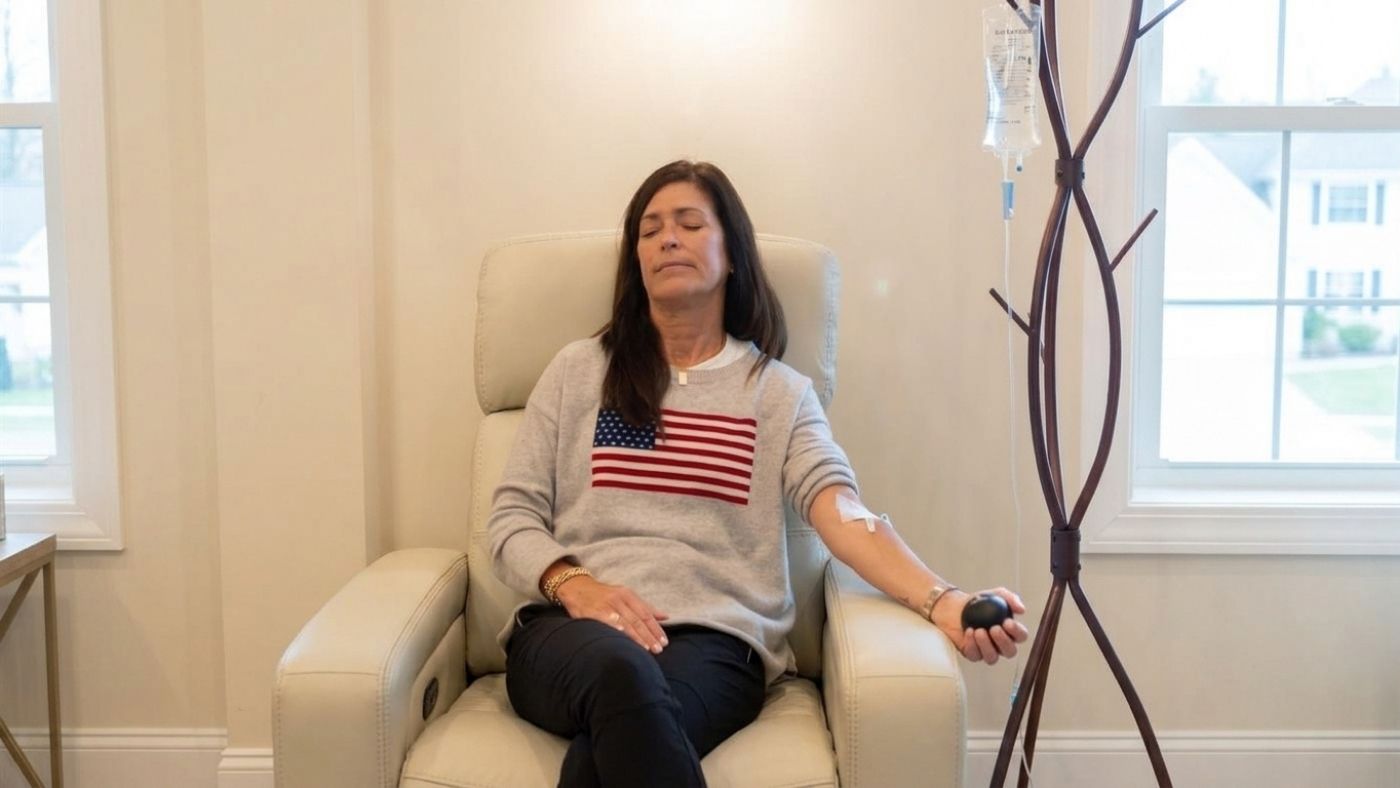
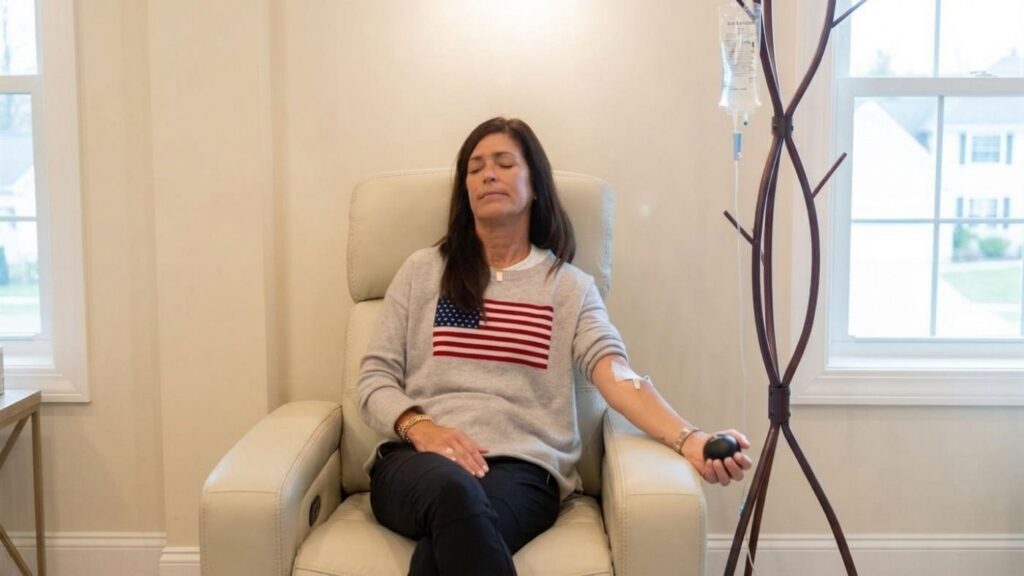
IV vitamin and hydration therapy. Direct delivery of vitamins, minerals, amino acids, and NAD+ precursors bypasses digestion, potentially achieving higher cellular levels faster. Common drips include vitamin C plus B-complex for fatigue and energy, or amino acid blends for muscle repair and protein synthesis support. A 2026 systematic review confirmed that oral NAD+ precursors like NR and NMN reliably elevate NAD-related biomarkers and are generally safe, though IV protocols remain less studied and should be administered under medical oversight.
Peptide programs. Peptides are short protein chains that signal specific cellular actions-think of them as targeted instructions for growth hormone release, tissue repair, or improved sleep. Research on senomorphic peptides shows they can reduce late-stage senescent cells by roughly 30% and decrease biological age markers in skin tissue by approximately 2.6 years in controlled settings.
Red light therapy and infrared sauna. Specific wavelengths of red and near-infrared light act on cytochrome c oxidase in the mitochondrial electron transport chain, enhancing ATP production and restoring mitochondrial membrane potential. Infrared sauna sessions improve circulation, support detoxification through sweat, and promote deep relaxation-all of which matter for faster recovery and overall well-being.
Compression and recovery services. Pneumatic compression devices improve venous return and lymphatic drainage, helping remove waste products from muscle tissue and supporting nutrient delivery and oxygenation at the cellular level.

How a Cellular-Health-Focused Wellness Visit Typically Works
Walking into a wellness center in 2026 starts with a conversation, not a sales pitch. A practitioner reviews your health history, medications, sleep patterns, stress levels, and specific goals-whether that is more energy for your kids, faster marathon recovery, or healthy aging through your 50s and beyond. Baseline vitals and directed lab work (inflammation markers, nutrient levels, NAD+ metabolites) may be used to establish where your cells stand.
From there, a personalized plan is designed. It might combine nutrition adjustments, a realistic movement schedule, and intermittent fasting guidance with a rotation of IV therapy, red light sessions, cryotherapy, or peptide protocols tailored to your needs. Follow-up visits track changes in energy, mood, sleep, workout performance, and skin health, adjusting therapies over time to support long-term results rather than quick fixes.
Signs It May Be Time to Focus on Your Cellular Health
Many people in their 30s through 60s across the Merrimack Valley feel “off” while routine labs say everything is fine. Common signs worth paying attention to include persistent fatigue despite adequate sleep; brain fog and difficulty with sharper focus; frequent colds or infections; slower recovery after workouts or stressful workweeks; new or worsening joint aches; and skin that looks dull or older than expected for your age.
Each of these signals can trace back to underlying cellular issues: mitochondrial slowdown reducing energy at the cellular level, chronic low-level inflammation disrupting tissue repair, or micronutrient deficiencies starving cells of the nutrients they need for optimal functioning and proper functioning. These are early invitations to act-not reasons for fear. A healthy body depends on healthy cells, and addressing cellular damage early is one of the smartest investments in a long life.
FAQs: Cellular Health, Recovery, and Modern Wellness Services
What is cellular health in simple terms?
Think of each cell as a tiny workshop that turns nutrients and oxygen into energy, repairs damage, copies its own DNA, and communicates with other cells. Good cell health means these workshops stay clean, well-fueled, and efficient. When enough cells in an organ underperform, you feel it as fatigue, weaker workouts, brain fog, or more frequent illness. Cells work best when they can replicate properly, clear waste, and maintain balanced inflammation.
How quickly can I feel a difference when I work on cellular health?
Some people notice improvements in hydration, energy, and sleep within days or weeks of upgrading nutrition and beginning therapies like IV vitamins or red light. Deeper changes-body composition shifts, endurance gains, visible skin improvement-typically take 6–12 weeks of consistent effort. Sustainable cellular repair comes from layering daily habits with thoughtfully scheduled therapies over time.
Is intermittent fasting safe for everyone who wants better cellular health?
Intermittent fasting can stimulate autophagy and improve insulin sensitivity for many adults, but it is not ideal for everyone. Pregnant individuals, people with a history of eating disorders, those managing certain diseases or complex medication schedules, and people prone to weight gain from restrictive patterns should consult a qualified professional before starting. A safe first step for most is a 12-hour overnight fast.
Can therapies like IV drips and cryotherapy replace a healthy lifestyle?
No therapy can compensate for a chronically poor diet, total lack of movement, or severe sleep deprivation. These services are designed to enhance and accelerate results when layered onto solid foundational habits. The best outcomes come from combining a balanced diet, regular exercise, adequate sleep, and stress management with targeted therapies matched to individual goals.
Are these cellular health therapies safe, and who supervises them?
Reputable centers in Massachusetts operate under established protocols with trained staff and medical oversight for services like IV therapy and peptide programs. Screening for contraindications-cardiovascular conditions for cryotherapy, skin sensitivities for infrared sauna-is standard practice. Always ask about credentials, emergency procedures, and how protocols are personalized before starting any program.
How do I know which therapies are right for my goals?
The ideal mix depends on your current health, lab markers, lifestyle choices, and whether you are chasing faster recovery, more energy, support through midlife, better skin, or a healthier life overall. A structured wellness assessment helps a professional team prioritize the most effective, cost-efficient options-so you are not guessing or chasing trends that may not match your needs.
Why Choose Our North Andover Team for Cellular Health and Recovery Support
Bonfire Wellness is a science-based hub for cellular health, recovery, and longevity serving North Andover, Andover, Lawrence, and the broader Merrimack Valley. Under one roof, you will find cryotherapy, IV hydration and vitamin therapy, peptide programs, oxygen therapy, infrared halo sauna, red light therapy, facials, and compression therapy-making it straightforward to build a cohesive, long term plan without bouncing between providers.
Every plan starts with a personalized assessment, not a generic package. Biomarker-guided recommendations and ongoing adjustments based on how you actually feel and respond replace the one-size-fits-all approach. Flexible membership and package options, clear pricing, and a professional team that understands busy work, parenting, and training schedules make it realistic to stay consistent-which is where the real results live.
Next Steps: Start Supporting Your Cellular Health Today
Cellular health is the foundation of overall wellness, longevity, and how you experience every single day. The cellular processes that produce your energy, repair your tissue, and defend against disease are influenced by the choices you make right now-from what you eat and how you move to the targeted therapies you layer on top.
If you are in the North Andover or Merrimack Valley area, schedule a wellness assessment or consultation to discuss your energy, recovery, sleep, mood, and long-term health goals. Not sure where to start? Book a single introductory service-an IV hydration session or a red light therapy visit paired with a brief evaluation-to experience the difference without a major commitment.
Improving cellular health today pays dividends for decades in how you move, think, and feel through every stage of life-from old age to right now. You do not have to navigate it alone.