
Table of Contents
- What Is Cryotherapy for Joint and Muscle Soreness?
- How Cold Therapy Eases Joint and Muscle Soreness
- Conditions Cryotherapy May Help with Pain Relief
- Whole Body vs Localized Cryotherapy: Which Is Better for Soreness?
- What to Expect During a Cryotherapy Session
- Benefits for Athletic Performance and Faster Recovery
- Managing Chronic Pain with Cryotherapy
- Evidence, Research, and Limitations
- Safety, Risks, and Who Should Avoid Cryotherapy
- How Often to Use Cryotherapy for Pain Management and Recovery
- Combining Cryotherapy with Other Pain Relief and Recovery Therapies
- FAQs about Cryotherapy for Joint and Muscle Soreness
- When to Seek Medical Care Beyond Cryotherapy
- Why Choose a Professional Wellness Center for Cryotherapy
- Next Steps: Is Cryotherapy Right for Your Joint and Muscle Soreness?
Muscle soreness after a hard workout, a stiff knee that aches every morning, or chronic low back pain that follows you through the day; these are problems that cold therapy has been used to address for thousands of years. Cryotherapy for joint and muscle soreness takes that basic principle and applies it with modern precision, using controlled cold temperatures to reduce pain, control swelling, and support faster recovery. This guide covers how cryotherapy works, what the research shows, who benefits most, and how to decide whether it belongs in your pain management plan.
What Is Cryotherapy for Joint and Muscle Soreness?
Cryotherapy is cold therapy applied to the body to reduce pain, inflammation, and swelling in joints and muscles. The simplest forms include applying ice packs, gel packs, or cold water immersion (ice baths) to affected areas. Modern cryotherapy technologies go further: whole body cryotherapy places a person inside a cryotherapy chamber filled with very cold air, while localized devices direct cold air or CO₂ jets at a specific joint or muscle group.
Cryotherapy has been used for chronic pain since ancient times. Hippocrates reportedly used snow and ice to reduce swelling in ancient Greece. That concept evolved through Eastern European medical practice into the structured cold-air chambers available today. Sub-zero cryotherapy temperatures typically range from −110°C to −140°C for whole-body sessions lasting 2 to 3 minutes. Local cryotherapy uses ice packs, cold sprays, or cold air at around −30°C applied for 10 to 30 minutes on specific areas.
Cryotherapy can be applied through localized treatments or whole-body sessions. Partial-body cryotherapy excludes the head and neck, keeping the person’s face above the chamber rim. This article focuses on cryotherapy for joint and muscle soreness, not dermatologic procedures like wart removal or surgical cryoablation.
How Cold Therapy Eases Joint and Muscle Soreness
When you push through intense exercise or sustain an injury, microscopic tears form in skeletal muscle fibers. The immune system responds with inflammatory cytokines (including TNF-α and IL-6), fluid accumulates around the tissue damage, and nerve endings become sensitized. The result: muscle pain, stiffness, and a swollen joint or tender muscle that hurts to move.
Cold therapy interrupts this cycle through several measurable mechanisms:
- Vasoconstriction and reduced swelling. Cryotherapy can cause vasoconstriction, reducing blood flow to the area and limiting fluid leakage into tissues. It reduces inflammation by decreasing vascular permeability, which helps control swelling and reduce edema in affected areas.
- Inflammatory marker shifts. Cryotherapy decreases pro-inflammatory cytokine TNF-α levels while increasing anti-inflammatory cytokine IL-10 levels. This shift in inflammatory responses helps reduce inflammation and swelling in joints.
- Nerve conduction slowdown. Cryotherapy can lead to nerve conduction slowdown, decreasing pain signals from pain receptors. This creates a temporary numbing effect that many people describe as immediate pain relief.
- Reactive circulation boost. After cold exposure ends, blood vessels dilate and blood flow increases. Cryotherapy enhances circulation, aiding tissue repair post-exercise by delivering nutrients and clearing metabolic waste from the affected areas.
In practical terms, this translates to less morning stiffness after a hard leg day, easier joint movement the next morning, and reduced throbbing around a strained area. Cold therapy is a short, targeted intervention; it complements but does not replace medical treatment for serious injury.
Conditions Cryotherapy May Help with Pain Relief
Evidence for cryotherapy is strongest in musculoskeletal pain and certain chronic inflammatory conditions. Results vary by individual and condition.
Acute and exercise-related conditions:
- Post-workout muscle soreness (delayed-onset muscle soreness, or DOMS)
- Sprains, strains, and mild sports injuries
- Tendonitis and overuse injuries
- Muscle fatigue and post-surgical recovery support
Local cryotherapy can provide immediate pain relief for injuries by numbing the area and reducing early swelling. A meta-analysis of 17 trials with 366 participants found cold water immersion at 5°C to 15°C for 3 to 24 minutes reduced soreness at 24 to 96 hours compared to rest.
Chronic pain conditions:
- Osteoarthritis of the knee or hip
- Chronic low back pain and chronic low back conditions affecting the spine
- Neck and shoulder tension from desk work
- Generalized myofascial pain and adhesive capsulitis
Autoimmune and neurologic conditions:
Local cryotherapy can effectively alleviate pain from rheumatoid arthritis, and cryotherapy may improve mobility in rheumatoid arthritis patients. Studies suggest benefits in ankylosing spondylitis. In multiple sclerosis, early data show some reductions in spasticity and persistent pain, though trials remain small. Cryotherapy can reduce inflammation and pain in chronic diseases, but it is not a standalone treatment. It works best as one component in a broader pain management strategy alongside medication, physical therapy, and lifestyle change.
Whole Body vs Localized Cryotherapy: Which Is Better for Soreness?
Whole body cryotherapy exposes nearly the entire body (minus protective socks, gloves, and face covering in partial-body units) to cold air between −110°C and −140°C inside a cryotherapy chamber for 2 to 3 minutes. Localized cryotherapy targets a single joint or muscle group using cold air jets, ice massage, or CO₂ sprays for 10 to 30 minutes.
When whole body cryotherapy may be preferred:
- Widespread muscle soreness after intense exercise
- Systemic inflammation from autoimmune diseases like rheumatoid arthritis affecting multiple joints
- Chronic pain spread across several body regions
When localized cryotherapy may be ideal:
- A single injured or swollen joint (one knee, one elbow)
- Focused neck or shoulder tension
- Post-surgical recovery in a specific area
The session experience differs. Whole-body cryotherapy is a brief full-body cold environment exposure in minimal clothing with protective gear. Localized treatment lets you stay dressed while cold air or ice is applied to the target area. In one RA trial, pain reduction was greatest in the whole-body cryotherapy group at −110°C, but disease activity scores did not differ statistically between whole-body and localized approaches. About 15% of participants in that trial discontinued whole-body sessions due to discomfort.
Choice often depends on your goals (performance recovery vs. localized injury), your medical history, and budget. Many people alternate or combine both over time.
What to Expect During a Cryotherapy Session
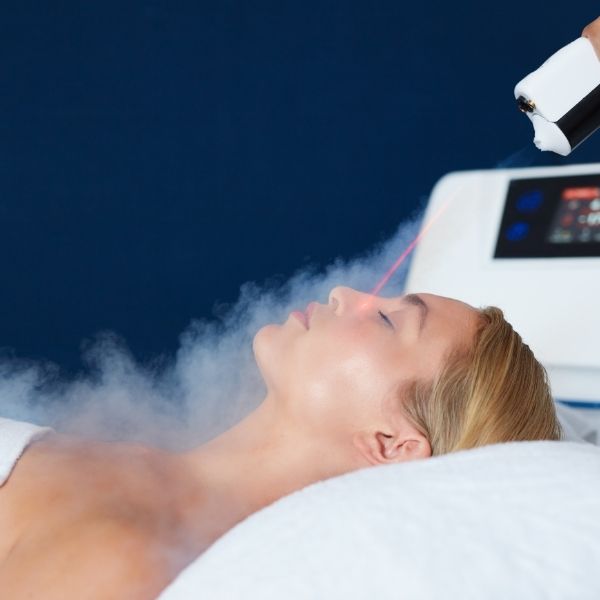

Before the session: Staff will ask health screening questions covering heart conditions, Raynaud’s disease, uncontrolled blood pressure, pregnancy, peripheral neuropathies, and cold urticaria. You sign a consent form.
Preparation: Remove jewelry and metal. Ensure skin is dry. For whole body sessions, you wear minimal clothing (shorts, sports bra) plus provided gloves, socks, and protective footwear. For localized treatment, only the target area is exposed.
During the session: Whole body cryotherapy sessions last about 2 to 3 minutes in a cold environment between −120°C and −140°C. Localized sessions run 5 to 10 minutes of directed cold air or CO₂ on the sore joint or muscle. Staff monitor continuously; you can stop anytime.
Common sensations: Intense cold, tingling on skin, temporary numbness. After stepping out, you feel warmth returning, a sense of lightness, and often reduced muscle soreness within hours. Some people feel more energy; others feel mild fatigue.
Aftercare: Gentle movement and stretching, hydration, and avoiding sudden heat exposure. Both responses (energized or slightly tired) are normal.
Benefits for Athletic Performance and Faster Recovery
Athletes and active adults use cryotherapy for one practical reason: it lets them return to training with less pain and shorter recovery time. Cryotherapy is used in sports medicine for recovery and performance across running, weightlifting, team sports, and physically demanding occupations.
Cryotherapy may enhance recovery and reduce delayed onset muscle soreness after exercise. A 2026 network meta-analysis found whole-body cryotherapy had the strongest effect on creatine kinase (a muscle damage marker) at 48 to 72 hours post-exercise, while cold water immersion was strongest for early suppression of IL-6. Both approaches outperformed passive rest for perceived soreness.
Professional athletes use cryotherapy to maintain peak performance during heavy training blocks. Cryotherapy accelerates recovery for athletes and active individuals by reducing inflammatory markers and perceived pain. Cryotherapy can reduce downtime between workouts for athletes; runners doing high weekly mileage, weightlifters after heavy squat sessions, and weekend athletes dealing with tendonitis all report faster recovery.
The data on direct athletic performance enhancement is mixed. Research suggests cold exposure immediately after strength training may impair muscle adaptation and strength gains if used incorrectly, possibly by interfering with anabolic signaling. Timing matters: if your primary goal is muscle hypertrophy, scheduling cryotherapy sessions several hours after lifting rather than immediately after may preserve those gains.
Managing Chronic Pain with Cryotherapy
Chronic pain, lasting longer than 3 months, involves central sensitization, ongoing inflammation, and structural changes that simple rest cannot fix. Managing chronic pain requires a multi-modal approach, and cryotherapy can be a practical tool within that plan.
Whole body cryotherapy can alleviate chronic pain effectively in selected patients. Whole body cryotherapy can lower inflammation markers after treatment, and studies in rheumatoid arthritis show reduced pain VAS scores and improved HAQ-DI (disability index) when cryotherapy is combined with physiotherapy. Patients in those trials also reported less morning stiffness and improved well-being.
Pain relief from a single session typically lasts hours to days. That is why consistent scheduling, often 2 to 3 cryotherapy sessions per week during an initial phase, is common for managing pain over time. As pain and stiffness improve, many people taper to weekly or as-needed visits for long-term recovery support.
Realistic expectations matter. Cryotherapy can contribute to pain reduction and better movement, and some people experience improved mood and more energy alongside physical relief. But it usually does not fully eliminate chronic pain or replace physical therapy, medication, or lifestyle changes. If you have a complex diagnosis like multiple sclerosis or long-standing autoimmune disease, collaboration with your healthcare provider is essential before starting.
Evidence, Research, and Limitations
Research on cryotherapy for joint and muscle soreness is growing but remains heterogeneous. Protocols differ in temperature (−30°C to −160°C), modality (dry cold air, cold water, localized sprays), duration (2 to 30 minutes), number of sessions, and outcomes measured. Many trials are small and lack blinding.
What the data shows:
- In rheumatoid arthritis, a meta-analysis of 6 studies (124 to 257 patients) found that both whole-body and local cryotherapy produce a significant reduction in pain VAS scores and sometimes disease activity (DAS28) over 7 to 15 days.
- For DOMS, systematic reviews confirm cold water immersion and body cryotherapy reduce soreness at 24 to 96 hours compared to rest.
- In chronic low back pain, mechanisms support usage (reduced inflammatory responses, improved mobility), though direct RCT data is limited.
- Biomarker studies show decreased CRP, creatine kinase, and changes in cytokine profiles after cold exposure.
Key limitations:
- Lack of standardized protocols across studies
- Small sample sizes and short follow-up periods
- Different outcome measures (self-report vs. performance tests vs. biomarkers)
- Few head-to-head comparisons of whole-body vs. localized cryotherapy for the same condition
- Whole body cryotherapy is not FDA-approved for specific medical conditions
- There is a lack of regulatory oversight for whole-body cryotherapy practices
- Cryotherapy has the potential to impair muscle adaptation and strength gains if used incorrectly (timing-dependent)
The positive effects are real for many people, but evidence is promising rather than definitive. Cryotherapy helps as part of a recovery plan; it is not a standalone treatment for disease.
Safety, Risks, and Who Should Avoid Cryotherapy
When performed with proper protocols, cryotherapy has minimal adverse effects in most patients. But it is not risk-free.
Common mild side effects:
- Temporary redness, numbness, tingling
- Headache
- Transient blood pressure changes
Rare but serious risks:
- Frostbite or cold burns from improper skin protection
- Fainting (syncope) in sensitive individuals
- Extreme cold in cryotherapy can trigger a sympathetic stress response, increasing blood pressure
- Exacerbation of cardiovascular conditions or cold-induced hives
Who should avoid or get medical clearance:
| Condition | Concern |
|---|---|
| Raynaud’s disease | Cryotherapy may worsen conditions like Raynaud’s disease |
| Uncontrolled hypertension | Risk of acute blood pressure spikes |
| Ischemic heart disease, arrhythmias | Cardiovascular stress from cold |
| Peripheral neuropathy | Reduced ability to sense tissue damage |
| Cold urticaria, cryoglobulinemia | Severe cold-triggered reactions |
| Pregnancy | Precautionary avoidance at most centers |
| Severe peripheral vascular disease | Impaired circulation under cold stress |
Individuals with certain medical conditions should avoid cryotherapy without consultation. Safety protocols are necessary to prevent frostbite and cold injuries during cryotherapy, including strict time limits, protective gear, continuous staff monitoring, and honest disclosure of your medical history before any session.
How Often to Use Cryotherapy for Pain Management and Recovery
Ideal frequency depends on what you are treating:
- Acute pain and sports injuries: Daily or near-daily sessions during the first 1 to 2 weeks. For DOMS, cold exposure within the first hour post-exercise and follow-up at 24 and 48 hours yield the best subjective pain reduction.
- Chronic pain and inflammatory conditions: An initial phase of 2 to 3 sessions per week for 1 to 2 weeks, then taper to once weekly or as needed based on symptom response.
- Ongoing athletic recovery: 1 to 2 sessions per week during heavy training blocks; periodic use during lighter phases.
Avoid multiple whole-body exposures in a single day for the same area unless directed by a qualified professional. Prolonged local cold without breaks increases risk of tissue damage.
Track your response in a simple journal or app: pain levels, stiffness, sleep quality, and daily function. If cryotherapy sessions are clearly helping over 2 to 3 weeks, continue. If you notice no change or negative effects, adjust frequency or discuss alternatives with your healthcare provider.
Combining Cryotherapy with Other Pain Relief and Recovery Therapies
Cold therapy works best as part of an integrated recovery and pain management plan, not in isolation.
Complementary therapies:
- Physical therapy and guided mobility work become easier when cryotherapy reduces pain enough to move comfortably. Cold exposure can lower muscle tone, allowing deeper stretching.
- Compression therapy (pneumatic boots, wraps) paired with cryotherapy can further reduce swelling after intense exercise.
- Infrared sauna and red light therapy support circulation and cellular repair through different mechanisms; alternating these with cryotherapy may benefit people with chronic joint pain.
- Ice massage and applying ice at home between professional sessions can extend relief for acute pain flare-ups.
Lifestyle factors that influence outcomes:
Anti-inflammatory nutrition (omega-3 fatty acids, antioxidant-rich foods), adequate sleep, hydration, and stress management all interact with cryotherapy to influence pain reduction. Without these foundations, cold therapy’s effects may plateau.
Avoid relying solely on cryotherapy while ignoring progressive exercise or medical recommendations. After surgery or significant injury, your healthcare provider should guide when and how to incorporate cold therapy into your recovery timeline.
FAQs about Cryotherapy for Joint and Muscle Soreness
Does cryotherapy really work for joint and muscle pain?
Many people report meaningful pain reduction and improved mobility, particularly for inflammatory and overuse conditions. Studies suggest reductions in pain scores for rheumatoid arthritis, DOMS, and osteoarthritis. However, responses vary from person to person; cryotherapy is best viewed as a helpful tool for joint pain rather than a guaranteed cure.
Is cryotherapy better than using an ice pack at home?
Ice packs are inexpensive and effective for small areas. Professional cryotherapy offers more uniform, deeper, and often quicker cooling to larger regions, plus whole-body exposure can produce systemic effects. For a single sore spot, home cold therapy with ice packs or gel packs may be enough. For widespread muscle soreness or persistent pain, supervised cryotherapy sessions offer efficiency and consistency that ice baths or applying ice alone cannot match.
How soon will I notice pain relief after a session?
Some people feel lighter and less sore immediately due to numbing and endorphin release. Others notice the biggest change later the same day or the next morning. Patterns typically become clearer after several sessions as you track your response over time. Studies show the largest subjective improvements at 24 to 72 hours post-treatment.
Can cryotherapy help with chronic low back pain?
Research suggests whole body cryotherapy reduces inflammatory markers and pain scores in chronic low back pain patients, though direct RCT data remains limited. The best outcomes come when cryotherapy is combined with guided exercise, posture correction, strengthening, and medical follow-up rather than used as a standalone treatment.
Is cryotherapy safe if I have arthritis or multiple sclerosis?
Studies in rheumatoid arthritis and early trials in multiple sclerosis report pain relief and functional gains. However, medical clearance is essential before starting. People with autoimmune diseases may have sensory issues or circulation problems that require conservative protocols. Session temperature, duration, and frequency can all be adjusted based on your immune system status and health history.
What should I wear and bring to my appointment?
Wear dry, comfortable clothing and avoid lotions or creams on your skin. Bring socks if the center doesn’t provide them. The center typically provides gloves, footwear covers, and protective garments. Remove all metal jewelry before entering a cold environment. For localized treatment, you only need to expose the target area.
Will my health insurance pay for cryotherapy sessions?
In the United States, most insurers do not cover whole-body or localized cryotherapy for recovery and wellness. Sessions are typically paid out of pocket. Package pricing or memberships at a wellness center can make regular sessions more affordable for people using cryotherapy as part of ongoing pain management.
When to Seek Medical Care Beyond Cryotherapy
Cryotherapy can ease symptoms, but it does not replace proper diagnosis and medical treatment of significant injuries or disease. Seek prompt medical evaluation if you experience:
- Sudden, severe joint pain or visible deformity
- Inability to bear weight on a limb
- Fever combined with a swollen joint
- Unexplained weakness or numbness
- Chest pain or shortness of breath
Persistent pain lasting more than several weeks, or acute pain that worsens despite rest and conservative care, should be evaluated by a qualified clinician. Cryotherapy is a complement to imaging, lab work, or specialist care when clinically indicated; it does not replace those steps.
Why Choose a Professional Wellness Center for Cryotherapy
Receiving cryotherapy in a dedicated wellness center offers advantages that improvised cold exposure at home cannot match. Professional oversight includes health screening before your first session, individualized protocols adjusted for chronic pain or specific injuries, trained staff monitoring vital signs and comfort, and strict adherence to safety standards that prevent frostbite and cold burns.
Integration matters. A wellness center can combine cryotherapy with other recovery tools, such as compression therapy, red light therapy, or infrared sauna, in one coordinated plan rather than piecing together separate appointments across providers. For residents in the Merrimack Valley and surrounding communities, having a local center with flexible scheduling and membership options designed for regular use removes the friction that keeps people from staying consistent.
A reputable center will be transparent about likely benefits, risks, costs, and realistic expectations before you commit. At Bonfire Wellness in North Andover, Massachusetts, the team provides science-based recovery services with personalized plans that account for your health history, goals, and budget.
Next Steps: Is Cryotherapy Right for Your Joint and Muscle Soreness?
Cryotherapy offers a non-invasive cold therapy option for pain relief, faster recovery, and support in managing chronic pain. Whether you are dealing with an acute strain from weekend basketball, chronic low back pain from years at a desk, or whole-body soreness from a training block, cold therapy can provide pain relief when applied correctly and consistently.
Consider your situation. Are you recovering from a specific injury, or managing persistent pain across multiple joints? Are you comfortable with very cold temperatures for short periods? Answering these questions helps you and a qualified provider design a trial schedule of sessions to see how your body responds.
Book a consultation at Bonfire Wellness to review your health history, discuss your goals, and build a plan that fits your life. The team can walk you through body cryotherapy options, answer questions about frequency and pricing, and help you decide whether whole-body or localized sessions make the most sense for your needs.
You do not have to accept constant soreness as the cost of staying active. Thoughtful, science-informed cold therapy can be one practical step toward better daily comfort, improved mobility, and stronger performance.