Table of Contents
- How Cryotherapy Relieves Pain – What actually happens inside your body when cold temperatures reduce pain signals and swelling.
- Benefits of Cryotherapy for Pain Relief and Recovery – Why cold therapy works for chronic pain, sports injuries, and post-surgical healing.
- Types of Cold Therapy – From ice packs and ice baths to whole-body cryotherapy chambers, and how to choose.
- How to Use Cold Therapy Safely – Protocols, warning signs, and who should avoid cold therapy.
- Integrating Cryotherapy with Other Treatments – How to combine cold therapy with rehabilitation exercises and complementary services.
- FAQs About Cryotherapy for Pain Relief – Answers to the most common questions about pain management cryotherapy.
- Why Choose a Local Wellness Center – What makes professional cryotherapy different from putting ice on at home.
- Take the Next Step Toward Safer, Colder Pain Relief
Introduction: Cold Therapy as a Modern Path to Pain Relief
In 2026, more people than ever are searching for ways to manage pain without reaching for pain medicine first. Cryotherapy for pain relief uses cold temperatures to constrict blood vessels, slow nerve activity, and reduce swelling, which can ease pain without drugs for acute injuries, chronic pain, and post-workout or post-surgical recovery.
Whether it is a swollen ankle from a weekend run, chronic discomfort from years of desk work, or muscle pain after surgery, the pull toward cold therapy is practical. Cryotherapy—cold therapy—spans everything from frozen peas wrapped in a thin towel to professional whole-body cryotherapy chambers that briefly expose you to extreme cold. For health-conscious adults in North Andover and the Merrimack Valley exploring non-surgical wellness options, this guide explains how cryotherapy works, which types of cold therapy fit different pain conditions, the benefits and limits to know, how to use it safely at home or in a clinic, how it can complement other treatments, and what to expect from professional services such as Bonfire Wellness. The information here draws on current clinical evidence and real-world wellness center experience, not hype.
How Cryotherapy Relieves Pain: What Actually Happens in Your Body
Cryotherapy is targeted cold therapy designed to reduce pain and support healing. At its simplest, you are placing a cold object against skin. At its most advanced, you are stepping into a chamber where temperatures plunge to −110°C to −140°C (roughly −166°F to −220°F) for just two to three minutes.
Here is what happens beneath the surface. During exposure, skin temperature reduces, blood vessels constrict, and nerve activity slows, which helps control swelling and limits pain signals traveling to your brain. As nerve activity drops, cryotherapy can numb irritated nerves, providing pain relief, and many patients feel immediate relief. Short exposures to extreme cold also stimulate the central nervous system and release hormones, including endorphins. This is a natural response that can reduce inflammation and promote healing.
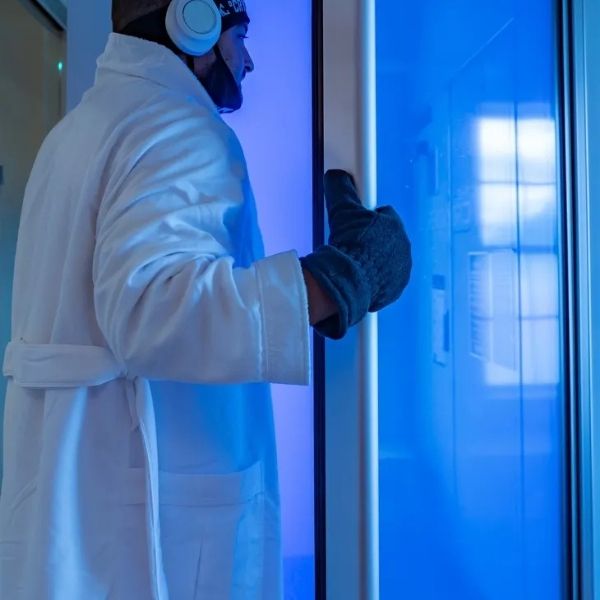
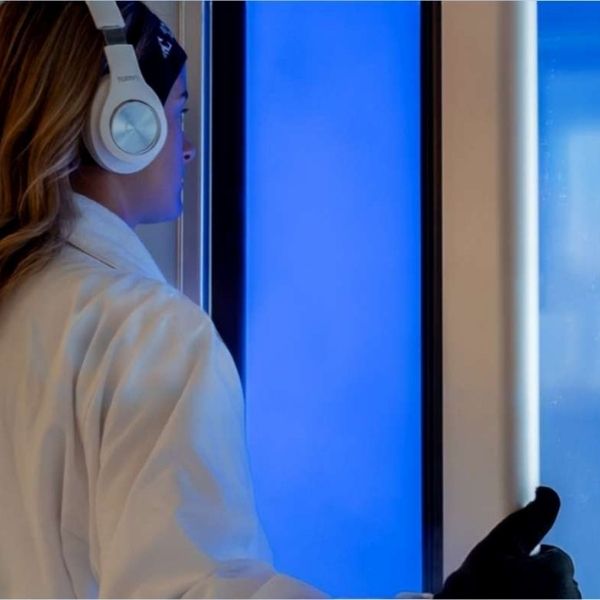
Localized cryotherapy works well for a single body part-a sore knee, a swollen ankle, or tennis elbow- while whole-body cryotherapy targets widespread muscle pain, chronic pain, or autoimmune-related stiffness. After exposure, the cooling-rewarming cycle drives improved circulation as blood vessels dilate, delivering oxygen and nutrients that support tissue repair and potentially faster healing.
Benefits of Cryotherapy for Pain Relief and Recovery
The benefits of cryotherapy extend well beyond simply making something feel numb. As a treatment recommended for reducing pain and swelling, cryotherapy reduces inflammation and swelling effectively, can relieve pain without relying on medications, and serves as a practical tool for both chronic pain management and athletic recovery.
For acute injuries like sprains, strains, and post-workout soreness, applying direct cold in the first 24–72 hours can limit swelling and ease pain. Cryotherapy helps minimize delayed-onset muscle soreness after intense exercise, which is why professional athletes and active individuals incorporate it into their routines. It accelerates recovery time for athletes and active individuals looking to maintain optimal performance.
For chronic pain conditions, the data is encouraging. Localized cold therapy can ease pain in rheumatoid arthritis and osteoarthritis, while cryotherapy offers potential relief for conditions like fibromyalgia and chronic back pain. In one study, approximately 78% of osteoarthritis patients reported significant improvement after a 10-day cycle of whole-body cryotherapy. Cryotherapy can treat conditions like tendonitis and arthritis pain, and whole-body cryotherapy can relieve pain for several weeks after a course of sessions. Cooling specific nerve centers can even lessen migraine severity.
Post-surgically, cryotherapy may help reduce the need for pain medication after surgery-research shows a reduction of roughly 7.4 morphine milligram equivalents in opioid use. Cryotherapy may produce small reductions in postoperative pain and improve range of motion, making it valuable for managing pain during recovery from procedures like knee replacement pain rehabilitation. Cryotherapy enhances circulation, promoting tissue repair, and many patients report mood benefits from endorphin release that help them stay consistent with rehabilitation exercises and strengthening exercises.
Types of Cold Therapy: From Ice Packs to Whole Body Cryotherapy
Cryotherapy covers several approaches, and the right choice depends on where and how you hurt.
| Type | How It Works | Best For |
|---|---|---|
| Ice packs / gel packs | Wrap in a thin towel, apply 10–20 minutes | Single joint or muscle, day-to-day flare-ups |
| Ice massage | Rub ice directly on skin briefly | Small areas, tendon pain |
| Ice baths | Submerge body part or whole body in cold water | Post-exercise soreness, many injuries at once |
| Coolant sprays | Spray cold directly on skin surface | Quick pain applying ice alternative, treat injuries on the field |
| Localized cryotherapy | Professional cold air or liquid nitrogen device targeting one area | Deeper tissue cooling for a specific body part |
| Whole body cryotherapy | Chamber exposure at sub zero temperatures (below −80°C) for 2–3 minutes | Widespread muscle pain, chronic discomfort, systemic inflammation |
Cryotherapy can be applied using ice packs or coolant sprays at home, while ice baths are a common method of cryotherapy application for athletes. Localized cryotherapy targets specific painful areas for treatment with greater precision than home methods. Whole body cryotherapy uses temperatures below −80°C and cryotherapy sessions typically last 2–3 minutes. Localized cryotherapy targets specific painful areas for relief when you need focused attention on one region. Note that medical cryoablation-freezing nerve tissue or tumors-is a separate, physician-performed procedure, not wellness-center cold therapy.
If your pain is limited to one area and manageable, home cold therapy with over-the-counter products may suffice. If pain is widespread, persistent, or limiting daily activities, professional sessions offer deeper, more controlled treatment.
How to Use Cold Therapy Safely for Pain Management
Cold therapy is powerful, but misusing it can make pain worse or cause skin and tissue damage from excessive exposure. Safety comes first.
For home use: wrap ice or gel packs in a thin towel before applying. Keep sessions to 10–20 minutes. Allow your skin temperature to return toward normal between rounds. Never fall asleep with ice on, and avoid applying pressure with a cold object directly against bare skin for extended periods-you could lose feeling or suffer tissue damage too late.
People who should avoid cold therapy or consult a clinician first include those with Raynaud’s phenomenon, diabetes with poor circulation, uncontrolled high blood pressure, cardiovascular disease, pregnancy, or cold-related medical conditions. It poses risks for individuals with certain pre-existing medical conditions, and whole body cryotherapy can cause temporary spikes in blood pressure and heart rate. Cold therapy may not treat the underlying root cause of pain, so it works best alongside a broader plan.
In-center sessions include pre-session screening, protective gear for hands, feet, and ears, continuous supervision, and gradual warming afterward. Frequency for chronic pain management often starts at several sessions per week before tapering-this should be individualized with professional input.
Stop cold therapy immediately if you notice persistent numbness, skin turning white or gray, blistering, or burning pain after rewarming. These are not completely normal responses and require professional attention.
Integrating Cryotherapy with Other Treatments for Better Results
Cryotherapy works best as part of a complete pain management plan, not a standalone solution. Incorporating cryotherapy alongside physical therapy, chiropractic care, or other treatments can amplify results. Using cold before or after rehab sessions can reduce sensitivity, calm inflammation, and help many patients tolerate stretching and strengthening exercises more comfortably.
Many people also combine cold therapy with red light therapy, infrared sauna, compression therapy, and anti-inflammatory nutrition to support cellular health and faster recovery. Medications, injections, or other medical treatments may still be necessary-cryotherapy serves as a supportive, non-drug tool to ease discomfort and reduce swelling between medical visits. Track your symptoms over several weeks to see how adding regular cold therapy affects your pain, sleep, and activity tolerance.
FAQs About Cryotherapy for Pain Relief
How quickly will I feel pain relief from cryotherapy?
Many people feel immediate numbing and pain relief during or right after a session. Acute injuries may respond within days with consistent cold therapy. Chronic pain typically requires weeks of regular sessions combined with movement and other treatments before meaningful improvement builds. Pain and swelling experts generally recommend patience with a structured plan.
Is cryotherapy better than using an ice pack at home?
For small, simple injuries, ice packs can effectively relieve pain and reduce swelling. Professional cryotherapy offers more precise temperature control, deeper penetration, and treats larger areas quickly. Many people use both: ice at home for day-to-day flare-ups and in-center sessions for more persistent or widespread pain.
Can cryotherapy help with chronic conditions like arthritis or back pain?
Yes. Localized and whole body cryotherapy are commonly used for osteoarthritis, chronic low back pain, tendonitis, and rheumatoid arthritis. They work best when combined with strengthening exercises, lifestyle changes, and guidance from a healthcare provider. Cryotherapy can reduce inflammation and promote healing over time.
How often should I do cryotherapy for pain management?
People seeking faster recovery or managing pain often start with several sessions per week, then taper based on response and budget. Overusing cold at home-hours of continuous icing-is counterproductive and harmful. Short, regular sessions under professional guidance are more effective for reducing inflammation.
Are there risks or side effects with whole body cryotherapy?
Common side effects include temporary redness, tingling, or stiffness, which resolve quickly. Serious complications are rare with proper screening and protocols. People with cardiovascular disease, severe circulation issues, or certain medical conditions should be cleared by a physician before using extremely low temperatures.
Can I combine cryotherapy with workouts or physical therapy on the same day?
Absolutely. Many active adults and professional athletes schedule sessions before or after workouts to reduce soreness and support faster recovery. Coordinate timing with your trainer-avoid aggressive icing right before a session requiring maximum muscle activation. Pay attention to how your own body responds and adjust accordingly.
Why Choose Bonfire Wellness for Cryotherapy
At Bonfire Wellness in North Andover, cryotherapy is delivered with professional-grade equipment, trained staff who understand chronic pain and sports injuries, and thorough safety screening before every session. Unlike relying solely on home ice packs, you get tailored pain management plans that can combine cold therapy with IV vitamin therapy, red light therapy, infrared sauna, oxygen therapy, and compression therapy for comprehensive recovery.
Programs are personalized-session frequency, duration, and therapy combinations adjust based on whether you are recovering from surgery, managing chronic pain, or maintaining high-level athletic performance. Membership and package options make regular access affordable and convenient, so you can stay consistent without constantly rebooking. Staff in North Andover understand the common pain issues across the Merrimack Valley-desk-related neck pain, weekend-warrior injuries, youth sports overuse-and guide clients toward realistic, sustainable routines.
Take the Next Step Toward Safer, Colder Pain Relief
Cryotherapy and cold therapy are effective tools to relieve pain, manage chronic conditions, and support faster recovery when used correctly alongside smart movement and lifestyle choices. Whether you are dealing with ongoing pain, slow recovery after surgery, or frequent soreness from training, a supervised session can help you determine if cold therapy belongs in your routine.
Schedule a consultation at Bonfire Wellness in North Andover to discuss whether localized or whole-body cryotherapy fits your situation. Bring questions about your specific diagnosis, current medications, and activity goals so the team can build a pain management plan that integrates cryotherapy with the right combination of other treatments. Call, book online, or visit the center in the Merrimack Valley to experience your first session.