Table of Contents
- Quick Answer: Are Peptides Safe or Not in 2026? (overview)
- What Are Peptides, Peptide Injections, and Peptide Supplements? (definitions)
- Medical Peptides vs. Wellness Peptides vs. Gray-Market Products (categories)
- Are Peptides Safe? Key Safety Concerns and Side Effects (safety & risks)
- Peptides vs. Steroids: Clearing Up a Major Misconception (comparison)
- How Peptide Therapy Works in a Wellness Setting (process)
- Who Is (and Is Not) a Good Candidate for Peptide Therapy? (screening)
- How to Evaluate Safety Before You Start (practical checklist)
- Frequently Asked Questions About Peptide Safety (FAQs)
- Why Choose a Local Wellness Center for Peptide Therapy (local care)
- Next Steps: How to Explore Peptide Therapy Safely (getting started)
Quick Answer: Are Peptides Safe or Not in 2026?
Are peptides safe? The honest answer is that it depends entirely on what you’re taking, where it came from, and whether a licensed clinician is guiding you. FDA-approved peptide medications have well-studied safety profiles backed by large clinical trials. Wellness peptide injections and peptide supplements can be safe when medically supervised, sourced from legitimate pharmacies, and dosed appropriately. Unregulated online “research” peptides carry the highest safety concerns.
Here’s the quick breakdown:
- Lower-risk: Prescription peptide therapy under a licensed clinician, with baseline lab work, sterile injectable peptides from registered compounding pharmacies, and regular follow-up visits.
- Higher-risk: Gray market vials purchased online, self-dosing without medical oversight, stacking multiple experimental products without clinical rationale.
- Still being studied: Long-term side effects of many popular wellness peptides remain largely unknown, with limited human research beyond a few weeks.
- Non-negotiable: An in-person consultation and thorough health history review are essential before starting any peptide program.
The safety and risks of peptides depend heavily on the specific peptide and its intended use. In 2023, the FDA restricted certain peptides due to safety concerns, adding nearly 20 injectable peptides to a list of substances considered too high-risk for compounding. By July 2026, an FDA advisory panel reviewed seven commonly used wellness peptides, recommending most for prescription compounding while still flagging major gaps in human safety data. The bottom line: peptides are safe when used like real medicines, risky when treated like over-the-counter fitness hacks.
What Are Peptides, Peptide Injections, and Peptide Supplements?
Peptides are short chains of molecules called amino acids, typically consisting of 2 to 50 amino acids linked together. They function as signaling molecules in the body, telling cells to perform different functions like repair, metabolism, and immune regulation. Proteins are simply longer chains of amino acids, while peptides are shorter building blocks that play targeted roles.
Your body makes peptides naturally (endogenous peptides), and many are also produced in labs as synthetic peptides for medications, research, and wellness applications. Some well-known examples:
- Insulin: A peptide discovered in 1921, now used as a synthetic medication to regulate blood sugar. Peptides are used in FDA-approved medications for diabetes treatment.
- GLP-1 receptor agonists: Medications like Ozempic and similar drugs treat obesity and type 2 diabetes. These are among the most studied peptide drugs in history.
Delivery types differ significantly:
- Peptide injections: Subcutaneous shots, typically in the abdomen or thigh, used in both medical and wellness settings. These tend to have the highest bioavailability.
- Peptide supplements: Oral capsules, powders, and blends marketed for muscle, skin, gut, or joint health. Collagen peptides are a common example found in dietary supplements.
- Topical peptides: Creams, serums, and eye creams used for skin rejuvenation, primarily cosmetic.
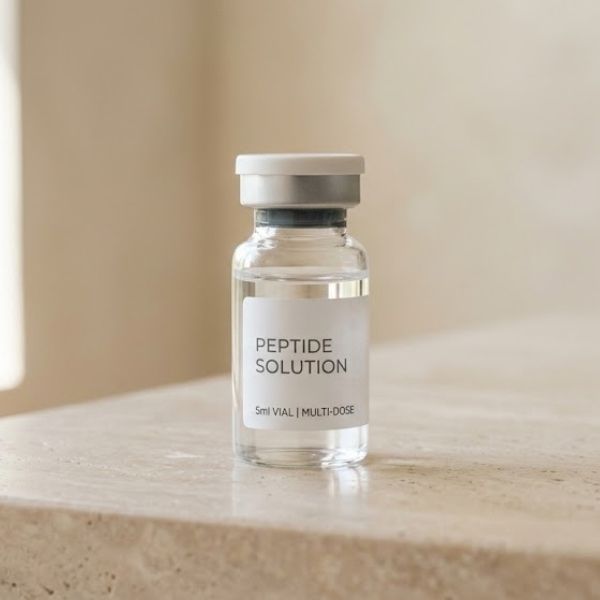
Prescription peptide injections from a compounding or retail pharmacy are typically regulated. Many online peptide supplements and products labeled “for research only” are lightly regulated or entirely unregulated. This article focuses on health, recovery, weight management, and longevity use cases rather than bodybuilding alone.
Medical Peptides vs. Wellness Peptides vs. Gray-Market Products
Understanding which category a peptide falls into is the fastest way to gauge its safety profile.
Medical / FDA-approved peptides include insulin, GLP-1 agonists, parathyroid hormone analogs, and certain cancer or fertility drugs. FDA-approved peptides have undergone large clinical trials for safety. A 2025 meta-analysis covering roughly 99,600 patients found that GLP-1 medications significantly reduced all-cause mortality and cardiovascular events over an average 2.4-year follow-up. Safety is best understood in this category because the risk profile differs significantly between FDA-approved peptides and experimental peptides.
Clinically supervised wellness peptide therapy includes substances like BPC-157, GHK-Cu, CJC-1295 with Ipamorelin, and thymosin-derived peptides. Many are prescribed off-label from 503A/503B compounding pharmacies. However, compounded peptide medications are not equivalent to FDA-approved products and lack premarket review. A 2025 systematic review of BPC-157 found over 500 preclinical studies but fewer than 30 total human subjects across just three small studies. Evidence is emerging but incomplete.
Gray market and “research-only” peptides are products sold online in vials or powders labeled “not for human consumption.” Many peptides sold online have not undergone FDA review for safety or effectiveness. These often ship from unknown facilities with inconsistent concentrations, potential contamination, and zero quality controls. Unregulated synthetic peptides marketed for muscle building or fat loss carry significant safety risks.
Many non-prescription peptide supplements are generally recognized as safe when sourced from reputable manufacturers. Oral peptide supplements like collagen peptides may not be strictly regulated for purity, but they carry a different risk profile than injectable products. Experimental peptides promoted for bodybuilding often lack large-scale human safety trials.

Are Peptides Safe? Key Safety Concerns and Side Effects
Whether certain peptides are safe or unsafe comes down to four variables: the specific peptide, the dose and duration, the source and quality, and the person’s medical history.
Common, relatively mild side effects reported with supervised peptide injections include:
- Redness, itching, or bruising at the injection site
- Temporary headaches, nausea, or digestive changes
- Mild changes in appetite or sleep with metabolism-targeting peptides
More serious but less common risks include:
- Injection of synthetic peptides can trigger immunogenicity and unwanted immune reactions. Injectable peptides can trigger severe allergic reactions in some users. Unregulated peptides may trigger allergic reactions like anaphylaxis.
- Possible impact on blood sugar, blood pressure, or electrolyte balance
- Theoretical concerns about stimulating abnormal cell growth or dormant cancer cells with growth-promoting peptides and growth factors. This remains unproven in humans but is flagged by regulators as a precaution.
Category-specific side effects:
- Metabolic and fat loss peptides like GLP-1s: some users report gastrointestinal issues from peptide injections, including nausea, vomiting, and constipation. Peptides may increase the risk of pancreatic inflammation, though large-scale data suggest this risk is low at standard doses.
- Recovery and healing peptides like BPC-157 and TB-500: many popular peptides lack human research and safety data, relying mainly on animal studies as of 2025. Long-term effects of unregulated peptides are largely unknown.
Side effects become more frequent when doses are too high, when multiple peptides are stacked without medical supervision, or when products are not sterile or accurately dosed. Contaminated peptides can lead to serious health risks. Unregulated peptides can carry risks of bacterial contamination or incorrect dosing, and unregulated peptides may contain harmful impurities. Older adults and patients on multiple medications need closer monitoring due to higher risk of interactions.
Peptides vs. Steroids: Clearing Up a Major Misconception
Many people search “peptides steroids” together, assuming they are the same category of performance-enhancing substances. They are not.
Anabolic steroids are synthetic versions of testosterone or related hormones. They directly stimulate muscle growth and carry well-documented risks: liver damage, hormone imbalance, cardiovascular issues, and psychological effects.
Peptides work differently. They are short amino acid chains that signal your body to release or modulate its own hormones and repair signals. Peptide therapy can promote muscle growth and fat loss indirectly by turning up or down existing biological pathways. Some peptides stimulate the production of human growth hormone rather than supplying it directly.
Key differences at a glance:
- Structure: Hormone derivative vs. peptide chain
- Mechanism: Direct hormone replacement vs. receptor signaling
- Regulation: Both peptides and steroids are banned as performance-enhancing substances by WADA, NFL, NBA, and similar organizations
Are peptides steroids? No. But both can affect athletic performance, and both can produce serious side effects if misused. The body’s ability to self-regulate is generally better preserved with peptide signaling than with direct steroid use, but neither is risk-free without supervision.
How Peptide Therapy Works in a Wellness Setting
At a reputable wellness center, peptide therapy follows a structured process rather than a “buy and inject” model.
It typically starts with an initial consultation covering your goals, whether that’s fat loss, recovery, sleep, skin health, or longevity. A thorough review of medical history, current medications, and baseline lab work determines whether peptide therapy is appropriate and which different peptides match your needs.
Personalization matters. Peptide therapy can improve skin health and reduce inflammation for one person while supporting tissue repair and recovery for another. Peptides can speed up tissue repair and recovery. Peptides can enhance physical performance and energy levels. Protocols are built around realistic timelines of weeks to months, with the understanding that lifestyle foundations like nutrition, sleep, and exercise are doing most of the work.
Administration typically involves subcutaneous peptide injections taught or performed in-office, with emphasis on sterile technique and rotation of injection sites. Oral or topical peptide supplements may serve as adjuncts, though absorption and potency differ from injections.
Safety protocols include monitoring for side effects, periodic follow-up visits every four to eight weeks, clear instructions for when to pause therapy, informed consent, and communication with the client’s primary care provider. Peptide therapy is usually part of a broader strategy that may include cryotherapy, IV therapy, red light therapy, infrared sauna, and anti-inflammatory lifestyle coaching.
Who Is (and Is Not) a Good Candidate for Peptide Therapy?
Not everyone needs peptide therapy, and careful screening is part of practicing safely.
Typical candidates for medically supervised peptide injections include:
- Adults seeking improved recovery from training or sports
- Individuals working on healthy fat loss and body recomposition
- People interested in supporting healthy aging, sleep quality, skin elasticity, or joint health
- Those recovering from injuries or surgeries under their medical team’s guidance
Groups requiring extra caution or potential exclusion:
- People with active cancer or strong cancer history (growth-signal concern with certain peptides)
- Those with uncontrolled diabetes, heart disease, severe kidney or liver disease, or chronic conditions requiring complex medication management
- Pregnant or breastfeeding individuals
- Anyone taking multiple prescription medications with high interaction potential
A thorough medical intake, possible lab testing, and collaboration with existing healthcare providers help decide if peptide therapy fits. If you’re unsure, schedule a consultation rather than self-experimenting with online peptide supplements or research vials.
How to Evaluate Safety Before You Start Peptide Injections or Supplements
A big part of making peptides safe is choosing the right provider, product source, and monitoring plan. Here’s a practical checklist:
What to verify:
- The clinic or prescriber is licensed and experienced with peptide therapy, not just selling generic vials
- Peptides are sourced from FDA-registered 503A/503B compounding pharmacies, not unknown online vendors
- There is an in-person or telehealth consultation, not just a web form and automatic shipment
- There is a plan for follow-up, dose adjustments, and management of any side effects
What to avoid:
- Websites selling “research peptides” labeled “not for human consumption” but offering dosing advice
- Stacking multiple experimental peptides without medical rationale
- Performance stacks promoted heavily on social media without real evidence or FDA oversight
Questions to ask your provider:
- “What side effects should I watch for with this specific peptide?”
- “How long is it safe to stay on this protocol?”
- “How will we know if it’s working or if we should stop?”
These questions help distinguish safe medical peptide therapy from risky experimentation. Many health claims circulating online lack supporting evidence, so informed skepticism is healthy.
Frequently Asked Questions About Peptide Safety
Are peptides safe to inject at home?
Home injections can be safe when prescribed, dosed, and thoroughly taught by a licensed clinician. Sterile technique, correct storage (most peptide injections require refrigeration), and rotating injection sites are essential. Self-injecting gray market peptides ordered online without supervision is where significant safety concerns arise. Always learn proper technique from a professional before administering at home.
What are the most common side effects of peptide therapy?
The most common side effects include local injection site reactions like redness, itching, and bruising. Headache, nausea, digestive issues, fatigue, and sleep changes are also reported. Most are mild and temporary when dosing and product quality are appropriate. More serious side effects tend to correlate with unverified products or excessive dosing.
How long can I stay on peptide therapy safely?
Duration depends on the specific peptide, your goal, and your health profile. Many protocols run in cycles of several weeks to a few months with reassessment. For medical peptides like GLP-1s, long-term use of one to three or more years is supported by clinical trials. For wellness peptides like BPC-157, data beyond one to two weeks of use is scant, so continuous long-term use should be approached cautiously with regular monitoring.
Are over-the-counter peptide supplements safe?
Oral peptide supplements and collagen peptides tend to carry a lower risk profile than injections. However, the lack of strict FDA oversight for supplements means contamination, mislabeling, and exaggerated health claims are possible. Choose brands with third-party testing and discuss all dietary supplements with a healthcare provider, especially if you have chronic conditions or take medications.
Can peptides cause cancer or tumors?
Current human data are limited. No clear proof exists that well-used therapeutic peptides cause cancer, but the theoretical risk exists for growth-promoting compounds that stimulate angiogenesis or cell proliferation. People with a history of certain cancers are typically excluded from peptide therapy or managed in coordination with their oncologists. Individualized risk-benefit assessment matters more than blanket claims of “safe for everyone” or “always dangerous.”
Are peptides legal to use for performance or weight loss?
Legality for personal medical use and sports regulations differ. Many peptides are legal by prescription but banned in competitive sports. Gray market “research” peptides may violate federal law when sold or used as drugs without approval. Promoting muscle growth or better immune function through peptides may be legal under medical supervision but could disqualify athletes. Check your organization’s banned substance list before starting peptide therapy if you compete.
Why Choose a Local Wellness Center for Peptide Therapy
In-person, medically supervised peptide programs are safer and more effective than DIY online orders. Wellness clinics with hands-on clinical teams offer face-to-face consultations, thorough health assessments, and the ability to adjust protocols in real time if side effects appear or goals change.
At Bonfire Wellness in North Andover, peptide therapy is integrated with complementary services that support results: IV therapy, cryotherapy, red light therapy, infrared sauna, compression therapy, and anti-inflammatory lifestyle coaching. This combination addresses overall health and recovery rather than treating peptides as a standalone solution.
For readers in the Merrimack Valley and greater New England region, local access means easier follow-up appointments and lab work. A trustworthy center is transparent about what is evidence-based versus emerging, avoids overpromising or marketing peptides as miracle cures for aging or immune function, and puts safety, realistic expectations, and long-term wellness first.
Next Steps: How to Explore Peptide Therapy Safely
- Peptides can deliver such benefits as improved recovery, body composition, and skin health when treated like real medications, not casual supplements.
- The biggest safety concerns surround unregulated, unsupervised products and dosing from the gray market.
- Your overall lifestyle, including nutrition, sleep, exercise, and stress management, still does most of the heavy lifting. Peptides are an adjunct, not a replacement.
If you’re considering peptide therapy, schedule a consultation at Bonfire Wellness to review your goals, medical history, and whether a peptide program makes sense for you. Bring a list of current medications and any peptide injections or supplements you’re already using so the conversation is productive from the start.
Start with a professional assessment instead of trying whatever is trending on social media. Peptide therapy is one tool among many recovery and longevity strategies, and it works best under expert guidance with proper monitoring.