Table of Contents
- What Is Red Light Therapy? – A plain-language answer to what red light therapy actually does and why people are using it in 2026.
- How Does Red Light Therapy Work on a Cellular Level? – The biology behind how red light influences your cells, without heavy jargon.
- What Does Red Light Therapy Help With? – A breakdown of the key uses with the strongest evidence today.
- Red Light Therapy for Skin Conditions and Appearance – How red light supports skin rejuvenation, collagen, and common skin concerns.
- Pain Management, Joint Health, and Recovery – What the research says about red light for chronic pain, joints, and muscle recovery.
- Safety: Is Red Light Therapy Safe for Everyone? – Side effects, contraindications, and how to use red light therapy safely.
- Clinic vs. At-Home Red Light Devices – What separates professional treatments from at home device options.
- What to Expect During a Red Light Therapy Session – A step-by-step walkthrough of a typical visit.
- Common Myths, Limits, and “Other Conditions” – Where the marketing outpaces the science.
- How to Decide if Red Light Therapy Is Right for You – A simple decision-making framework.
- Frequently Asked Questions About Red Light Therapy – Direct answers to the most common questions.
- Why Choose Bonfire Wellness for Red Light Therapy – What sets our North Andover center apart.
- Ready to Try Red Light Therapy? Next Steps – How to get started.
What Is Red Light Therapy? (Quick Answer)
So what does red light therapy do? In short, it uses specific wavelengths of red and near-infrared light, typically between 630 and 900 nanometers, to influence how your cells function. Red light wavelengths range from 630 to 700 nanometers, while near-infrared extends deeper. Unlike UV light, it does not heat tissue, tan skin, or cause the kind of cellular damage associated with sun exposure. The treatment is also called photobiomodulation, low-level laser therapy, or sometimes cold laser therapy, depending on the device and clinical setting.
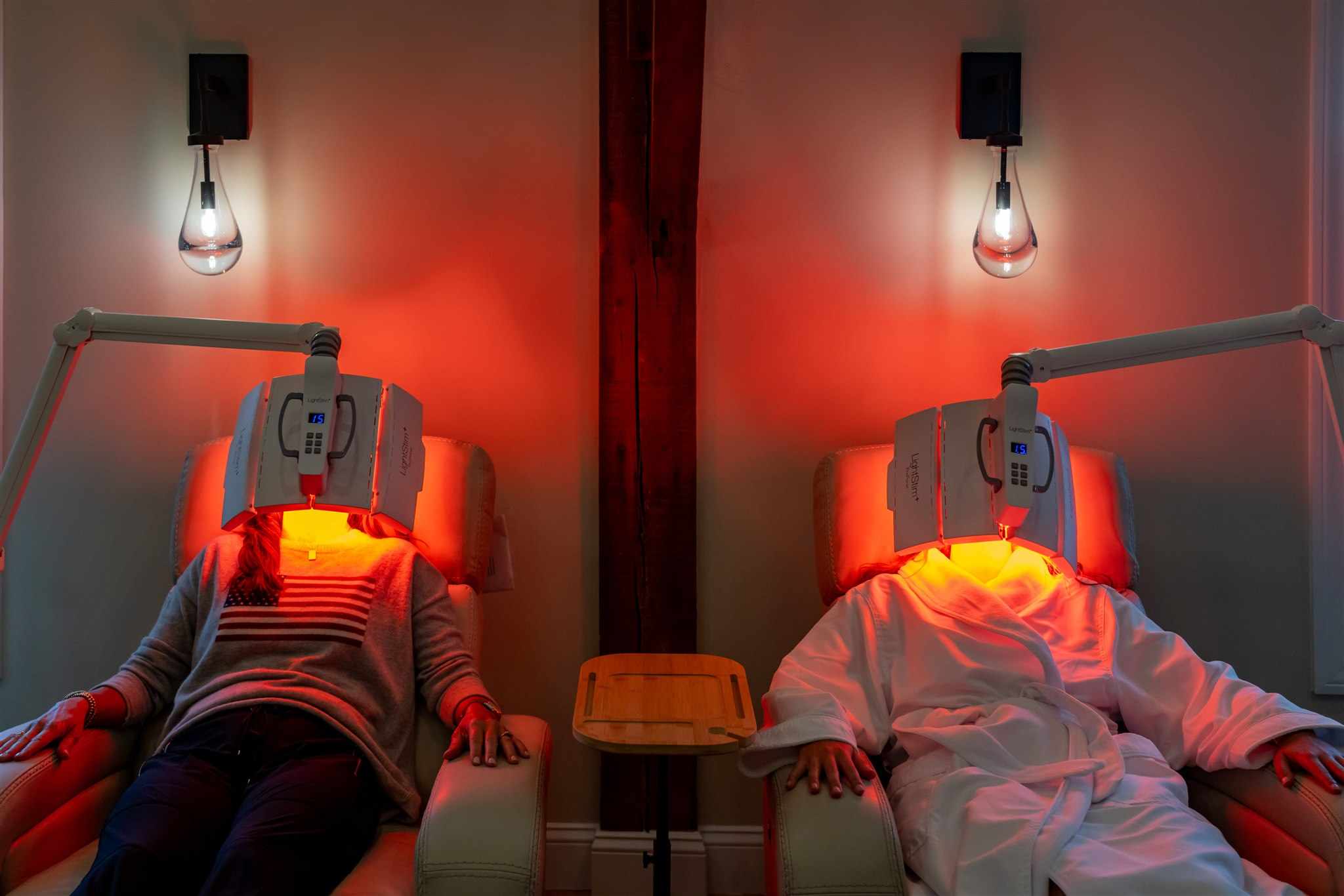
People commonly use red light therapy for skin conditions, pain management, muscle recovery, hair growth, and general wellness. It is delivered through light-emitting diodes or low-power laser therapy devices in both professional clinics and at-home setups. A typical session involves sitting or lying near a red light device for 10 to 20 minutes. There is no anesthesia, no downtime, and most people feel nothing beyond mild warmth. Research has grown significantly over the last decade, with the strongest scientific evidence supporting benefits for skin health, joint pain, and stimulating hair growth. Red light therapy is generally safe with low side effects when used correctly, but results depend heavily on device quality, wavelength, and consistency.
How Does Red Light Therapy Work on a Cellular Level?
Understanding why red light therapy works requires a quick look at what happens inside your cells.
When red light penetrates your skin, specific wavelengths are absorbed by chromophores, particularly cytochrome c oxidase in your mitochondria. Photobiomodulation is the process of using light to alter biology at this cellular level. Red light therapy stimulates mitochondria to enhance cell function, which increases ATP (cellular energy) production, modulates reactive oxygen species, and triggers signaling pathways involved in inflammation control and tissue repair.
Red light (around 630–700 nm) is absorbed more superficially and primarily affects skin, hair follicles, and the dermal layer. Near-infrared light (around 800–900 nm) penetrates deeper into joints, muscles, and nerves. This is why different devices target different conditions.
Key proposed effects include:
- Improved blood flow – red light therapy increases blood flow through vasodilation, enhancing blood circulation and nutrient delivery to treated areas
- Reduced inflammatory markers – downregulation of proinflammatory cytokines like IL-6 and TNF-α
- Enhanced collagen production – stimulation of fibroblasts and increased collagen and elastin fiber density
- Support for wound healing – accelerated cell growth, cell production, and tissue closure
These mechanisms help explain why red light treatment can influence everything from wrinkles to chronic pain.
What Does Red Light Therapy Help With? Key Uses in 2026
Not all claims about red light therapy carry equal weight. The conditions red light therapy has the strongest evidence for are skin rejuvenation, pain management, and hair growth. Published studies in these areas include multiple randomized controlled trials with measurable outcomes.
- Skin conditions: fine lines, wrinkles, redness, mild acne, and post-procedure skin healing
- Pain and joint health: osteoarthritis, tendonitis, chronic joint stiffness, and muscle recovery
- Hair growth: androgenetic alopecia (pattern thinning hair) in both men and women
- Other conditions under study: cognitive support, nerve pain, oral mucositis, fibromyalgia, and sleep quality (specific wavelengths of red light can regulate circadian rhythms and improve sleep quality)
For each of these, best outcomes typically come from consistent sessions over weeks, appropriate dosing, and clinical-grade equipment rather than one-off treatments.
Red Light Therapy for Skin Conditions and Appearance
Red light therapy became popular in aesthetics because it offers a non-invasive path to visible skin improvements without the downtime or discomfort of ablative procedures. It is commonly used to treat conditions like acne and psoriasis, reduce redness and irritation on the skin, and support skin healing after more aggressive treatments.
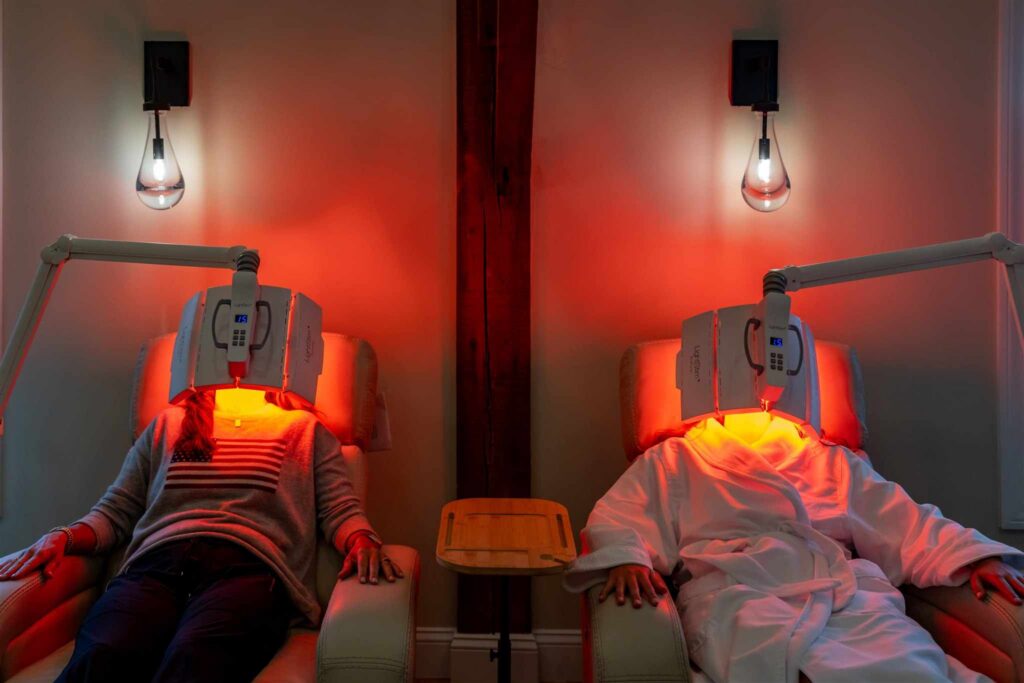
The core mechanism for skin rejuvenation is collagen stimulation. Red light therapy promotes collagen production in skin cells, which improves skin structure and elasticity over time. Clinical trials have shown wrinkle reductions of up to 36% and elasticity improvements of roughly 19% after several weeks of consistent treatment. A 2025 LED mask trial combining 630 nm and 850 nm wavelengths demonstrated improvement rates of 69 to 90% for crow’s feet over 16 weeks. It is also used for wound healing and scar reduction.
Realistic timelines matter here. Most people notice changes in skin tone and texture by 4 to 8 weeks. More substantial wrinkle smoothing and structural improvements typically require 8 to 16 weeks of multiple sessions per week. For sensitive skin or conditions like rosacea, low-level red light can reduce redness without the irritation that harsher topical treatments may cause. Red light therapy can reduce redness and irritation on the skin, making it a preferred option for reactive skin types.
In-clinic panels generally deliver higher irradiance and cover larger treatment areas, while small at-home red light devices for facial use require longer exposure times and may offer less consistent dosing. Both can play a role, but setting expectations differently for each is important.
Pain Management, Joint Health, and Recovery
Pain relief is one of the most researched and requested reasons people try red light therapy. Red light therapy has been found effective for certain pain conditions, particularly osteoarthritis of the knee, tendonitis, and chronic joint stiffness. Studies indicate red light therapy can reduce inflammation in tissues, which is a key driver of pain caused by overuse, injury, or degenerative conditions.
A 2026 multicenter trial using combined red and infrared LEDs showed self-reported pain reduction of up to 60% within 30 minutes, sustained for 8 to 24 hours across both acute and chronic musculoskeletal pain. Network meta-analyses comparing physical therapy modalities for knee osteoarthritis have found laser therapy among the most effective for pain and function improvement. That said, red light therapy’s effectiveness varies by wavelength and treatment duration, and it works best as part of a broader pain management plan rather than a standalone replacement for medical treatment of serious medical conditions like rheumatoid arthritis.
For active adults and athletes, some clinical trials show faster recovery from delayed onset muscle soreness and earlier return to function when red light treatment is applied soon after exercise. Some studies also show red light therapy can accelerate wound healing in soft tissue injuries. Individual response varies: some feel immediate relief, while others notice cumulative benefits after a series of sessions.
Safety: Is Red Light Therapy Safe for Everyone?
Red light therapy is generally considered low risk when used as directed. Unlike UV exposure, red light does not carry the same risk of DNA damage or skin cancer when used at appropriate doses. It is worth noting that photodynamic therapy uses red light to treat early-stage skin cancers, but that is a distinct medical procedure involving photosensitizing agents – not standard red light therapy.
Common safety practices include:
- Wear protective goggles to prevent eye damage, especially with bright panels or high-irradiance devices
- Maintain proper distance from the red light device as specified by the manufacturer
- Follow recommended time limits per session
- Avoid overuse – more is not always better
High levels of red light can cause skin redness and blistering. Phase I dose escalation trials found safe fluences up to approximately 320 J/cm² for skin of color and 480 J/cm² for lighter skin. Above those levels, some subjects experienced prolonged erythema or blistering. Misuse of red light therapy can lead to skin or eye damage, which is why protective goggles are recommended and correct dosing matters.
Groups that should consult a medical professional before receiving treatment include people with photosensitive health conditions, those on photosensitizing medications (certain antibiotics, retinoids, acne medications), pregnant individuals, and anyone with a history of skin or eye cancers. The long-term safety of red light therapy devices is still not fully established, so sticking with evidence-based protocols rather than experimental DIY hacks is the safest approach.
Clinic vs. At-Home Red Light Devices
There are two main ways people access red light therapy: professional services in a clinical setting and at home devices ranging from panels to masks to handheld units.
| Factor | In-Clinic | At-Home Device |
|---|---|---|
| Power output | Higher irradiance, faster sessions | Lower power, longer exposure needed |
| Coverage area | Full-body or large panels | Smaller, targeted areas |
| Dosing control | Calibrated by trained staff | User-dependent |
| Cost | Per-session or membership | Home devices typically range from $50 to $500 |
| Guidance | Screening, safety checks, combinations with other services | Self-directed |
At-home red light therapy devices are generally less powerful than clinical ones and may not deliver the same results as clinical treatments. Red light therapy devices are available for purchase online and in stores, but quality varies widely. FDA approval is important for at home red light therapy devices, though clearance is about safety, not efficacy. Different devices use different wavelengths and power levels, so not all red light therapy products perform equally.
When evaluating an at-home device, look for validated specific wavelengths (630–660 nm red, 800–850 nm near-infrared), safety certifications, clear instructions, and realistic claims backed by published studies. If possible, try clinic treatments first to test your response before investing in personal equipment.
What to Expect During a Red Light Therapy Session
A typical session at a wellness center follows a straightforward process:
- Check-in and brief consultation (medications, skin concerns, goals)
- Remove makeup, lotions, or sunscreen from the treatment area
- Position near red light panels at the recommended distance
- Put on protective goggles provided by staff
- Relax for 10 to 20 minutes of exposure
- Resume normal activities immediately – no downtime
Sessions are comfortable. Most people feel gentle warmth or nothing at all. Frequency recommendations commonly start at 2 to 4 times per week for the first 4 to 8 weeks, then taper to maintenance. Many clients stack red light therapy with other services like cryotherapy, infrared sauna, or facials. Staff can advise on safe combinations and sequencing. Consistency over several weeks is what drives measurable benefits. Light therapy can release neurotransmitters and support recovery processes, but expecting one session to transform your skin or eliminate pain is unrealistic.
Common Myths, Limits, and “Other Conditions”
Marketing around red light therapy has, at times, outpaced the actual science. Claims about dramatic weight loss, reversing dementia, or curing advanced medical conditions are not supported by current evidence. While some umbrella reviews show small to moderate effect sizes for cognitive function, the certainty remains low and more research is needed before recommending it as a standalone intervention.
Other conditions under active study include nerve pain, oral mucositis, performance enhancement, and fibromyalgia. Data are early or mixed. Not all studies show benefit – for example, meta-analyses of certain laser therapy protocols for knee osteoarthritis did not find statistically significant improvements when dosing parameters varied too widely.
Red light therapy works best as an adjunct: part of a wellness or treatment plan that may also include nutrition, exercise, medical care, and other modalities. It should not replace essential medications, surgery, or treatment for serious conditions. Approach bold claims critically and look for references to actual clinical trials rather than just testimonials. Austin E and colleagues’ safety research, among other published studies, has helped establish dosing thresholds, but standardization across the field is still evolving (semin cutan med surg literature has contributed foundational work here).
How to Decide if Red Light Therapy Is Right for You
Start with a simple framework:
- Identify your goal – skin rejuvenation, chronic pain relief, hair growth, athletic recovery, or general wellness
- Check for red flags – photosensitive conditions, photosensitizing medications, pregnancy, cancer history
- Assess your commitment – can you maintain consistent sessions for 4 to 12 weeks?
Ask your provider what wavelengths and devices they use, how they determine session length, and what realistic timeline they expect for your specific concerns. Keep simple before-and-after photos or mobility notes to track progress objectively. People with ongoing pain, stubborn skin conditions, or slow recovery often benefit most when red light therapy is integrated with a broader anti-inflammatory lifestyle and appropriate medical care.
Frequently Asked Questions About Red Light Therapy
These FAQs address the most common questions we hear from clients exploring red light therapy at wellness centers today.
How quickly will I see results from red light therapy?
Short-term changes like temporary pain relief or a subtle skin glow can appear after one or two sessions. Longer-term improvements in wrinkles, skin conditions, or joint function typically develop over 4 to 12 weeks of consistent use. For hair growth, meaningful increases in hair density commonly require 12 to 24 weeks. One clinical trial showed an increase of roughly 41.9 hairs per cm² over 16 weeks of regular use.
Is red light therapy safe to do every day?
Daily use is possible with low-fluence devices, but it is not always necessary or beneficial. Many successful protocols use 3 to 5 sessions per week during the initial phase, then taper to maintenance. Overdoing it can lead to diminishing returns. Personalized guidance from a trained provider helps you find the right frequency for your goals.
Can red light therapy damage my skin or cause cancer?
Red light is non-ionizing and does not generate harmful UV rays. Current scientific evidence does not link low-level red light to skin cancer when used correctly. Risks are mild – temporary redness, irritation, or in rare cases hyperpigmentation – and generally resolve. Poorly manufactured devices or extreme overexposure could cause burns or pigment changes, which is why quality and dosing matter.
Can I use red light therapy while on medications?
Some medications are photosensitizing, including certain antibiotics, retinoids, and acne medications. These can increase sensitivity and the risk of adverse reactions during treatment. Always disclose all medications to your provider before receiving treatment. If a concern exists, adjustments to fluence or treatment area can often be made. Red light therapy treats many conditions effectively, but medication interactions require caution.
Do I need to wear eye protection during red light therapy?
Yes. You should wear protective goggles during sessions, especially when using bright panels or treating near the face. While red and near-infrared wavelengths are less damaging than UV, they can still affect the retina at high irradiance levels. Exceptions exist only when a professional specifically clears unprotected exposure for certain protocols.
Are at-home red light therapy devices worth it?
They can be worthwhile for ongoing skin maintenance, mild pain management, or supplementing clinic treatments. The best at-home device options use validated wavelengths, carry safety certifications, and provide clear usage instructions. However, for complex pain, deeper tissue issues, or advanced hair loss, clinic treatments with higher-powered devices and trained staff commonly deliver stronger, more consistent results. Home devices typically range from $50 to $500, so matching the investment to your specific needs matters.
Why Choose Bonfire Wellness for Red Light Therapy
Bonfire Wellness offers professional red light therapy as part of a science-based recovery and longevity program in North Andover, Massachusetts. Our approach goes beyond a single treatment modality. We use clinical-grade red light devices with validated wavelengths, calibrated by trained staff who personalize protocols to your goals, skin type, and health history.
What sets us apart is integration. Red light therapy at our center can be combined with cryotherapy, IV vitamin therapy, infrared sauna, facials, and anti-inflammatory lifestyle programs for compounding benefits. We focus on cellular health and recovery, not just surface-level aesthetics. Pre-session screening, clear safety instructions, and ongoing protocol updates based on emerging research are standard here.
For residents across North Andover and the wider Merrimack Valley area, we offer flexible scheduling, membership packages, and introductory options designed to make consistent treatment accessible and sustainable.
Ready to Try Red Light Therapy? Next Steps
Red light therapy supports skin healing, pain relief, hair growth, and recovery when applied consistently with the right equipment and guidance. People dealing with stubborn skin concerns, joint or muscle discomfort, or thinning hair tend to see the most meaningful benefits over time.
Schedule a consultation at Bonfire Wellness to discuss your goals, review your medical background, and determine whether red light therapy fits your situation. Book an introductory session on its own or paired with complementary services like cryotherapy or infrared sauna. Call us, book online, or visit our North Andover center to get started – no pressure, just a clear plan tailored to you.