If you’re in your 40s, 50s, or beyond and noticing that your energy, skin, sleep, and recovery aren’t what they used to be, you’re not imagining things. Your body’s internal signaling is shifting, and peptides for healthy aging have emerged as one of the most talked-about tools for addressing that shift. This guide breaks down the science, the specific peptides worth knowing about, realistic expectations, safety considerations, and how medically supervised peptide therapy fits into a broader longevity strategy.
Table of Contents
- Peptides for Healthy Aging: Quick Overview and Key Takeaways
- What Are Peptides and How Do They Influence Aging?
- The Benefits of Peptides for Healthy Aging
- Key Peptides Commonly Used for Healthy Aging
- Peptides for Aging Skin and Collagen Production
- Peptides for Muscle Growth, Metabolism, and Body Composition
- Sleep, Recovery, and Boosting Energy with Peptide Therapy
- Safety, Side Effects, and How to Use Peptides Responsibly
- How Peptide Therapy Fits into a Comprehensive Longevity Plan
- Frequently Asked Questions About Peptides for Healthy Aging
- Why Choose Our Local Wellness Center for Peptide Therapy
- Next Steps: How to Incorporate Peptides into Your Healthy Aging Plan
Peptides for Healthy Aging: Quick Overview and Key Takeaways
Between 2015 and 2026, interest in peptides for anti-aging has surged dramatically. Longevity clinics, social media biohacking communities, and growing scientific research have pushed these short chains of amino acids from niche bodybuilding forums into mainstream wellness conversations. Adults aged 35 to 70 are increasingly asking whether peptide therapy can help them feel and function better as they age.
Healthy aging means more than looking younger. It means maintaining energy, preserving muscle mass, sleeping deeply, recovering efficiently, keeping your immune function strong, and reducing the chronic low-grade inflammation that accelerates decline. Peptides promote healthy aging by optimizing cellular function related to metabolism, repair, and signaling across multiple body systems.
Here’s a quick snapshot of the main anti-aging benefits:
- Increased collagen production and fewer visible wrinkles
- Improved muscle growth, strength, and fat metabolism
- Boosting energy through enhanced mitochondrial function – peptide therapy enhances energy levels by stimulating mitochondrial function directly
- Better sleep quality and circadian rhythm support
- Potential support for immune resilience and brain health
One critical caveat: peptide therapy is not magic. It works best alongside movement, nutrition, stress management, and an anti-inflammatory lifestyle. Some peptides are FDA-approved drugs (like GLP-1 agonists for diabetes and weight management), while many “longevity” peptides remain experimental and should only be used under medical supervision with proper lab monitoring.
What Are Peptides and How Do They Influence Aging?
Peptides are short chains of amino acids – typically between 2 and 50 residues – that act as biological messengers in the body. Think of them as molecular instructions: they tell cells to make collagen, release growth hormone, repair tissue, or reduce inflammation. Your body naturally produces peptides to regulate nearly every major biological process, from skin regeneration to immune function to sleep architecture.
Peptides bind to specific receptor sites on cell membranes to instruct cellular functions, and they can enter cells to target biological pathways more rapidly and efficiently than larger proteins. Many therapeutic peptides used in clinical settings are bio-identical to naturally produced peptides in the body, which is part of why they integrate well with human biology.
As we age – particularly after the early 30s – natural peptide signaling and growth hormone release decline measurably. This contributes to aging skin, slower wound healing, reduced muscle recovery, and decreased energy. The body systems most influenced by peptide activity include:
- Skin and collagen production (fibroblast activity, elastin, hydration)
- Muscle, bone density, and body composition
- Metabolism, blood sugar regulation, and fat metabolism
- Sleep, circadian rhythm, and nighttime cellular repair
- Immune function and inflammatory regulation
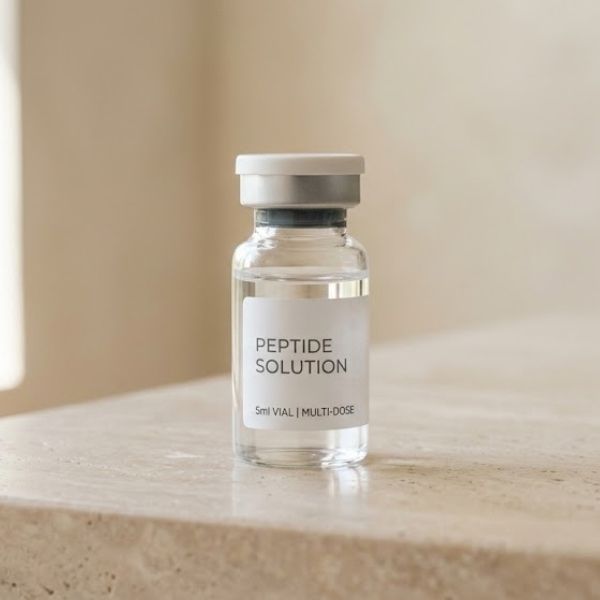
The difference between naturally occurring peptides (like insulin or GLP-1) and synthetic peptide compounds used in therapy (Sermorelin, CJC-1295, Epitalon, GHK-Cu) is primarily about stability and targeting. Modified peptides are engineered for longer activity, better absorption, or more precise action. Delivery methods include injectable peptides, IV infusions, topical peptide serum formulations, and some oral products – each with different absorption profiles and effectiveness for specific goals.
The Benefits of Peptides for Healthy Aging
People in their 40s through 70s typically seek peptide therapy because of specific, frustrating changes: persistent fatigue, stubborn belly fat, thinning or crepey skin, fragmented sleep, slower workout recovery, or joint stiffness that won’t quit. The benefits of peptides address these concerns across several dimensions:
- Anti-aging benefits for skin: certain peptides stimulate collagen production and elastin synthesis, helping to reduce fine lines and wrinkles effectively while improving overall skin health and skin hydration
- Muscle growth and strength: growth hormone-releasing peptides support lean muscle mass, which is essential for balance, bone density, and metabolic health; bioactive collagen peptides also support bone mineral density in aging adults
- Metabolic support: certain peptides influence appetite, insulin signaling, glucose metabolism, and body weight, helping reduce visceral fat and improve body composition
- Energy and motivation: peptides can improve metabolic efficiency and reduce fatigue, particularly when mitochondrial function is optimized
- Sleep and recovery: deeper, more continuous sleep with fewer nighttime awakenings
- Immune resilience: thymic peptides help modulate and strengthen the immune response, while anti-inflammatory peptides may lower chronic background inflammation
- Brain health: nootropic peptides can support neurogenesis and protect brain cells from oxidative stress, potentially sharpening mental clarity
Peptides enhance skin hydration and barrier function from the inside out. They also promote wound healing and skin regeneration, which matters more as the body’s ability to repair slows with age.
Results are gradual – comparable to starting a strength training program or consistent skin care routine. Most people notice subtle changes in energy and sleep within 4 to 6 weeks, with more visible shifts in skin texture, body composition, and recovery over 3 to 6 months.
Key Peptides Commonly Used for Healthy Aging
Peptide protocols are customized based on individual goals (skin health, muscle growth, metabolism, sleep) and medical history. There is no one-size-fits-all approach. Here are the most commonly discussed peptides in healthy aging programs:
- Sermorelin and CJC-1295/Ipamorelin: These are growth hormone secretagogues that signal the pituitary gland to release growth hormone naturally. CJC-1295 is a growth hormone-releasing hormone analog that boosts growth hormone levels, enhancing muscle mass and energy. CJC-1295 and Ipamorelin also enhance mitochondrial function. Sermorelin stimulates growth hormone production for better metabolism. Studies show CJC-1295 DAC can increase growth hormone levels 2- to 10-fold with a single injection.
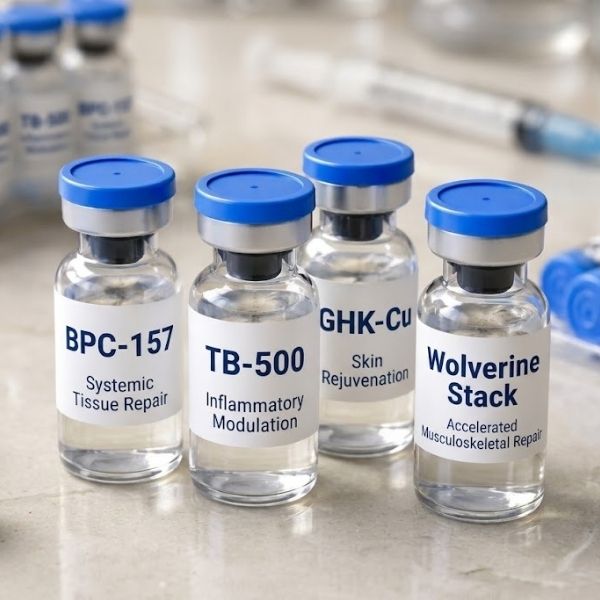
- GHK-Cu (copper peptides): This naturally occurring peptide declines with age. GHK-Cu stimulates collagen production and enhances skin elasticity, supports wound healing, and has antioxidant properties that assist with cellular repair. It’s available in both topical and injectable forms.
- NAD+ and NAD precursors: NAD+ levels decline with age, affecting energy production and DNA repair. These are often delivered via IV therapy and stacked with peptide programs to address cellular energy, brain clarity, and enhanced energy levels.
- Thymosin Alpha-1: This immune-modulating peptide enhances immune function as we age. It stimulates T cell activity and dendritic cell function, potentially reducing immune exhaustion and chronic inflammation.
- BPC-157: A popular synthetic peptide for tissue repair and gut health. Peptides like BPC-157 support muscle recovery and fat metabolism in animal studies. However, human data remains extremely limited. It is not FDA-approved for human consumption, and its regulatory status shifted in 2026 when nominators withdrew submissions from the FDA’s bulk drug substance review.
- Epitalon: A tetrapeptide that activates telomerase, potentially increasing cellular longevity. Epitalon also modulates pineal function and melatonin production, with animal studies showing lifespan increases of 12 to 24 percent. Human data comes primarily from small Eastern European cohorts.
- DSIP (Delta Sleep-Inducing Peptide): Used in some protocols for sleep and circadian rhythm support. Older clinical trials showed improvements in sleep efficiency, but modern large-scale data is lacking.
Signal peptides stimulate collagen synthesis in skin cells, while neurotransmitter inhibitor peptides and enzyme inhibitor peptides play roles in blocking nerve signals to facial muscles and protecting proteins involved in structural skin support. Many injectable anti-aging peptides still lack rigorous clinical trials for safety and efficacy, so protocols should be guided by current evidence, lab markers, and careful monitoring.
Peptides for Aging Skin and Collagen Production
Collagen production starts declining in the late 20s and accelerates through the 40s and 50s. The result: wrinkles, sagging, thinner and drier skin, and a compromised skin barrier. For anyone dealing with aging skin, peptides offer a targeted approach to skin rejuvenation that goes beyond surface-level moisturizing.
Signal peptides and copper peptides like GHK-Cu work by stimulating fibroblasts – the cells responsible for producing collagen and elastin. They support collagen production to improve skin elasticity, assist with wound healing and post-procedure skin repair (after microneedling, laser treatments, or facials), and improve hydration and barrier function for more resilient, smoother skin. Carrier peptides deliver essential minerals like copper directly to skin cells, supporting the regenerative and protective actions needed for youthful skin.
When choosing between topical and injectable approaches:
- Topical peptides (serums and creams) work well for face and neck, often combined with hyaluronic acid, niacinamide, or retinoids for compounding effects – ideal for sensitive skin when properly formulated
- Injectable peptides provide deeper tissue support and are administered under professional supervision, often paired with other aesthetic or recovery therapies
Peptides for skin and musculoskeletal support have stronger evidence than experimental longevity peptides. A 2025 meta-analysis of 19 randomized controlled trials (1,341 participants) found that oral peptides produced significant improvements in skin hydration, wrinkle reduction, and brightness. A separate trial of fish elastin peptide in 100 adults showed measurable improvements in skin texture and hydration over 12 weeks with no adverse events.
To stimulate collagen production most effectively, combine peptides with sun protection, red light therapy, and anti-inflammatory lifestyle habits. Antimicrobial peptides also contribute to overall skin health by supporting the skin’s natural defense against environmental stressors, neutralizing free radicals and slowing collagen breakdown.
Peptides for Muscle Growth, Metabolism, and Body Composition
After age 40, adults lose roughly 3 to 8 percent of muscle mass per decade – a process called sarcopenia. Preserving lean muscle mass isn’t just about aesthetics; it’s directly linked to longevity, balance, fall prevention, and metabolic health.
Growth hormone-releasing peptides like Sermorelin and CJC-1295/Ipamorelin can support muscle growth and muscle recovery when combined with resistance training and adequate protein intake. They improve fat metabolism, especially targeting visceral and abdominal fat, and help maintain healthier body composition and bone density over time. Peptides like MOTS-c enhance endurance and energy levels, making workouts feel more productive.
Realistic expectations matter here: peptides should enhance, not replace, strength training and proper nutrition. Visible changes in body composition typically emerge over 3 to 6 months. The synergy between peptide therapy and recovery services like cryotherapy, compression therapy, and infrared sauna can accelerate results for active adults and weekend athletes.
Special considerations apply to individuals with metabolic syndrome, prediabetes, hormonal imbalances, or a history of hormone-sensitive cancers. Medical clearance and regular lab monitoring (including IGF-1, fasting glucose, and lipid panels) are essential for maintaining hormonal balance and safety.
Sleep, Recovery, and Boosting Energy with Peptide Therapy
Poor sleep drives higher inflammation, weight gain, hormonal imbalances, and accelerated aging. Many patients beginning peptide therapy first notice improvements in sleep quality and daily energy – sometimes before any visible physical changes.
Certain peptides and related therapies support this domain:
- DSIP- or Epitalon-based protocols (where appropriate) to support circadian rhythm and deeper sleep stages
- Growth hormone releasing peptides indirectly improve sleep architecture and nighttime tissue repair and tissue regeneration
- NAD+ and mitochondrial-support strategies improve daytime energy, mental clarity, and the body’s ability to sustain focus
Patients commonly report falling asleep faster, fewer nighttime awakenings, waking more rested, and less mid-afternoon fatigue. These subjective improvements often track with measurable changes in hormone panels and inflammatory markers.
Peptide therapy for sleep works best as part of a broader recovery strategy. Consistent bedtime routines, managing light exposure (especially blue light after sunset), limiting late caffeine, and incorporating peptides into a structured protocol all contribute. Peptides are a catalyst, not a standalone fix.
Safety, Side Effects, and How to Use Peptides Responsibly
Like any potent therapy, peptide therapy carries potential risks and must be medically supervised – especially for older adults or those with chronic conditions. Many peptides lack long-term clinical trial data for safety, which means transparency about what we know and don’t know is essential.
Common, usually mild side effects include:
- Injection site reactions such as redness, swelling, or bruising (these are common with peptide therapies)
- Temporary fatigue, headache, or nausea – peptide therapy can cause side effects like nausea and fatigue, particularly during initial dosing
- Water retention or joint stiffness when growth hormone pathways are stimulated
Rare but serious concerns to screen for:
- Hormonal imbalances may occur with improper peptide use, including IGF-1 elevations and glucose intolerance
- Worsening of undiagnosed cancers or proliferative conditions
- Allergic reactions or contamination risks with unregulated online products not intended for human consumption
Key safety recommendations:
- Only use prescription-grade peptides sourced through licensed pharmacies – are peptides safe? They can be, with proper sourcing and oversight
- Avoid “research chemicals” and self-mixed vials from overseas websites
- Have baseline labs (IGF-1, fasting glucose, lipids, liver and kidney function) and repeat them periodically with your healthcare provider
- Review all medications and medical history, especially cancer history, autoimmune disease, and uncontrolled diabetes
Peptides should be used under medical supervision for safety. Think of them as therapeutic tools requiring dosing plans, cycles, and monitoring – not casual supplements you incorporate into your routine without guidance.
How Peptide Therapy Fits into a Comprehensive Longevity Plan
The most powerful anti-aging results happen when peptide therapy is integrated into a larger plan for maintaining health rather than used in isolation. Complementary pillars include:
- Anti-inflammatory nutrition: Mediterranean-style eating, balanced protein, minimal added sugar
- Strength training and regular movement for muscle, bones, and brain health
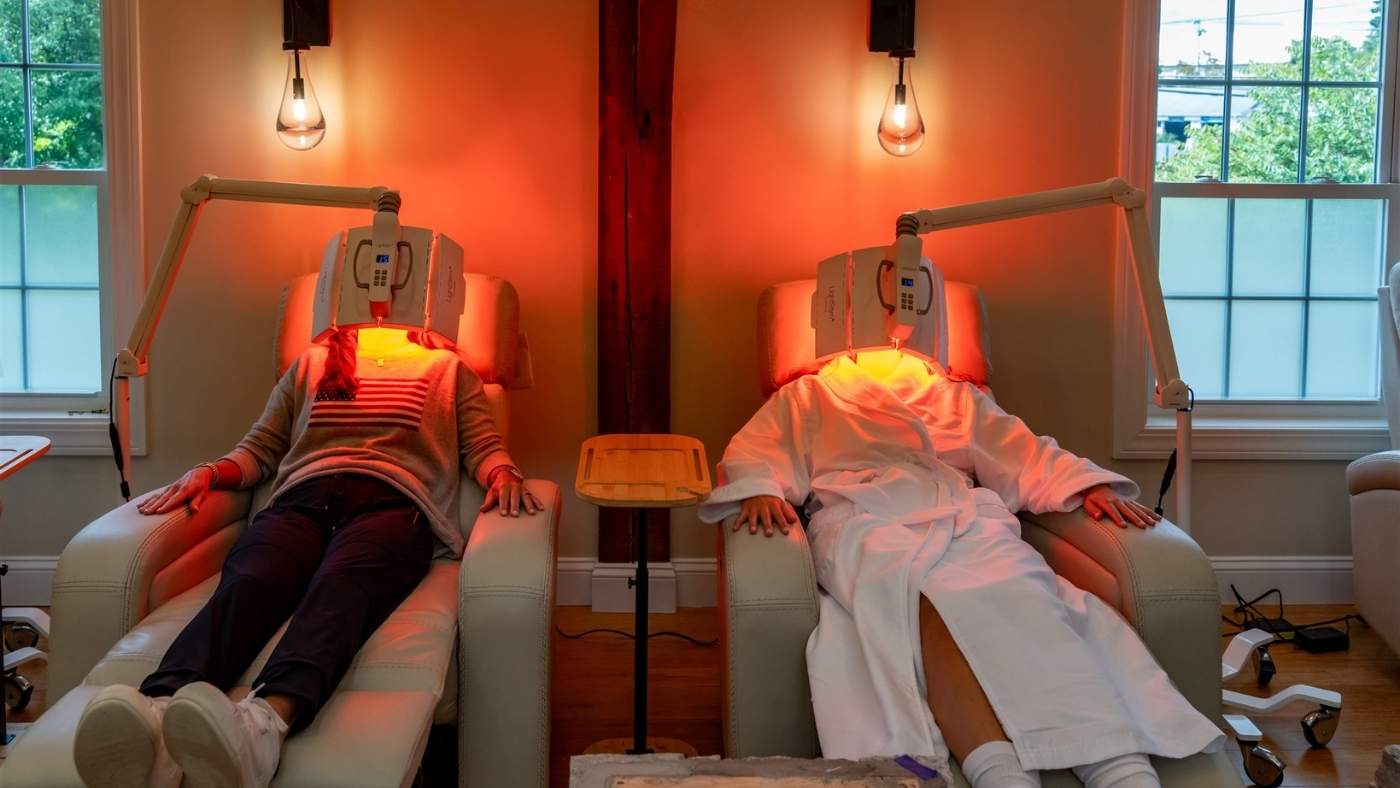
- Recovery modalities like cryotherapy, infrared sauna, red light therapy, and compression therapy to reduce inflammation and support circulation
- Stress management, breathwork, or mindfulness to regulate cortisol and protect cellular health
- Regular wellness assessments and labs to personalize and adjust any peptide program over time
A typical patient journey starts with an initial assessment and lab work, moves into goal-setting (boosting energy, improving body composition, supporting aging skin, enhancing weight management), and then layers in peptide therapy plus one or two complementary services. The goal is long-term, sustainable healthy aging – not a quick fix before a vacation.
Frequently Asked Questions About Peptides for Healthy Aging
Are peptides safe for healthy aging, and who should avoid them?
It depends on the peptide and how it’s administered. Multiple peptides used in clinical settings have acceptable safety profiles in short-term studies and clinical trials. However, people with active cancers, uncontrolled diabetes, autoimmune conditions, or those who are pregnant should avoid peptide therapy unless specifically cleared by a physician. Medical supervision and lab monitoring make the difference between responsible use and unnecessary risk.
How long does it take to see results from peptide therapy?
Most people notice improvements in sleep and energy within 4 to 6 weeks. Skin changes – smoother skin, improved skin texture, better skin elasticity – typically become visible around 8 to 12 weeks. Body composition shifts (less visceral fat, more lean muscle) usually take 3 to 6 months with consistent use alongside exercise and nutrition.
What is the difference between topical peptides and injectable peptides?
Topical peptides (serums, creams) target surface-level and dermal concerns: fine lines, skin hydration, overall skin health. They’re accessible and generally well tolerated, even for sensitive skin. Injectable peptides deliver systemic effects – supporting muscle growth, fat metabolism, immune function, and hormonal balance – and require professional administration.
Can peptides replace hormone replacement therapy or traditional medications?
No. Peptides are complementary tools, not replacements. Growth hormone-releasing peptides, for instance, stimulate your body’s own production rather than introducing exogenous hormones, but they don’t address all the same conditions as HRT. Always discuss with your healthcare provider before making changes to existing treatment plans.
Do I have to be an athlete or bodybuilder to benefit from peptides?
Not at all. Most people exploring peptides for anti-aging are everyday adults – busy professionals wanting more energy, people in their 50s or 60s focused on mobility and independence, or anyone noticing that recovery from normal activities takes longer than it used to. Peptide programs are designed around individual goals, not athletic performance alone.
How do you decide which peptide protocol is right for me?
Protocol selection starts with a comprehensive assessment: health history, current medications, lab work (hormone panels, metabolic markers, inflammatory markers), body composition, and your specific goals. From there, a licensed provider recommends which peptides, delivery methods, and cycle lengths are appropriate – and adjusts based on follow-up labs and your response over time.
Why Choose Our Local Wellness Center for Peptide Therapy and Healthy Aging
Our North Andover wellness center takes a medically guided, integrative approach to peptide therapy that stands apart from DIY online kits or generic supplement shops:
- Comprehensive wellness assessments before starting any peptide program – including medical history review, goal-setting, labs, and body composition analysis
- Clinically guided peptide programs designed by licensed providers with ongoing monitoring
- Ability to combine peptide therapy with on-site IV vitamin therapy, red light therapy, cryotherapy, infrared sauna, facials, and compression therapy for compounding benefits to skin rejuvenation and recovery
- Personalized protocols for different groups: professionals seeking enhanced energy levels, adults in their 50s through 70s prioritizing mobility and independence, and recreational athletes targeting muscle recovery and performance
- Transparent education about evidence, risks, and realistic timelines – no anti-aging hype or unrealistic promises
- Membership and package options designed for consistency with a long-term healthy aging plan
We’re easily accessible from surrounding Merrimack Valley communities – Andover, Lawrence, Methuen, Haverhill – and our team builds relationships with clients over time, adjusting protocols as your needs evolve.
Next Steps: How to Incorporate Peptides into Your Healthy Aging Plan
Getting started is straightforward:
- Schedule a consultation – in-person or virtual – to review your health history, current medications, and goals (energy, aging skin, muscle growth, sleep, weight management)
- Complete recommended labs and a wellness assessment so the team can design a tailored peptide therapy and longevity plan built around your biology
- Begin a monitored program that may include injectable peptides, IV therapy, and complementary recovery services, with follow-up visits to track progress and adjust
If you’re curious but cautious, start with a conversation – not by ordering peptides online. Informed guidance from a licensed provider is the key to unlocking anti-aging benefits safely and to boost collagen production, promote tissue regeneration, and enhance skin health on your terms.
Reach out to our North Andover center to book your free consultation and take the first step toward aging on your own terms.