
If you train hard enough, recovery eventually becomes the bottleneck. Sleep, nutrition, and hydration cover most of the bases, but when tournament weekends, double sessions, or New England summer heat push your body past normal limits, standard methods sometimes fall short. This guide breaks down what IV therapy for athletic recovery actually does, what the science supports, where the gaps are, and how to use it wisely.
Table of Contents
- IV Therapy for Athletic Recovery: Quick Answer
- What Is IV Therapy for Athletic Recovery?
- IV Hydration vs. Traditional Recovery: What the Evidence and Experience Say
- Key Ingredients in Athletic Recovery IV Infusions and How They Help
- Benefits and Limitations: When IV Therapy Makes the Most Sense
- Safety, Risks, and How a Professional IV Session Works
- How to Integrate IV Therapy Into a Smarter Athletic Recovery Plan
- FAQs: IV Therapy for Athletic Recovery
- Why Choose a Local, Integrated Recovery Center for IV Therapy
- Next Steps: Is IV Therapy Right for Your Athletic Recovery?
IV Therapy for Athletic Recovery: Quick Answer
IV therapy delivers fluids, electrolytes, vitamins, and sometimes amino acids directly into the bloodstream, bypassing the digestive system for rapid absorption. IV hydration restores electrolyte balance 2–3 times faster than oral hydration, and some data suggest IV treatment can reduce recovery times by roughly 35% compared to oral methods alone. IV therapy can reduce muscle soreness after workouts, lower perceived fatigue, and support quicker bounce-back between training sessions.
That said, IV therapy for athletes is not a magic bullet. It does not replace smart training, quality sleep, or solid nutrition. Evidence for the effectiveness of IV vitamins for recovery in healthy athletes remains unproven in terms of direct athletic performance gains like faster race times. Where it shines is around high-stress windows: back-to-back games, endurance events, or periods when muscle cramps, muscle fatigue, and energy slumps are limiting your ability to train again. Local athletes in the Merrimack Valley and North Andover area often pair IV hydration with compression therapy, cryotherapy, or infrared sauna for a more complete sports recovery approach.
What Is IV Therapy for Athletic Recovery?
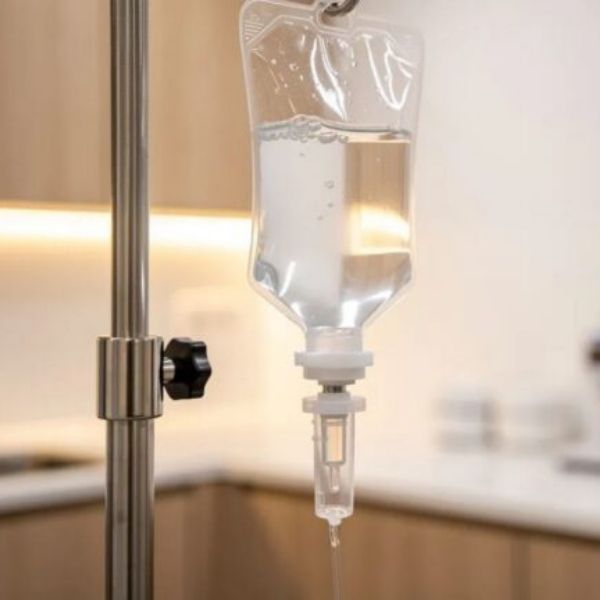
Intravenous therapy involves placing a small catheter into a vein and delivering iv fluids – typically saline or lactated Ringer’s solution – mixed with vitamins, minerals, and sometimes amino acids or antioxidants. You will see terms like IV hydration, IV vitamin therapy, IV infusion, and IV drip used interchangeably online. They describe the same basic concept with different nutrient formulas tailored to goals like athletic recovery, energy production, or immune support.
IV therapy delivers 100% nutrient absorption directly into the bloodstream. Unlike oral supplements, which must pass through the digestive system and lose bioavailability along the way, an iv drip offers rapid absorption of essential nutrients. Sessions usually last 30–60 minutes and are done in a recliner in a quiet recovery setting. Typical ingredients include B-complex vitamins, vitamin C, magnesium, calcium, trace minerals, and amino acids like BCAAs, glutamine, and arginine. The Myers’ Cocktail – a well-known formula – includes vitamins B and C, magnesium, and calcium.
IV Hydration vs. Traditional Recovery: What the Evidence and Experience Say
Most athletes recover well with sleep, whole-food nutrition, stretching, and oral hydration. Oral rehydration with water and food can be as effective as iv fluids for most athletes under normal circumstances. The gut regulates absorption, thirst cues, and electrolyte balance efficiently when you have time and appetite on your side. Standard guidance is roughly 1.5 liters of fluid per kilogram of body weight lost after an event, paired with electrolytes and carbohydrates.
Where iv hydration offers a practical edge is speed and convenience in constrained situations. Saline solutions quickly restore blood plasma volume after heavy sweating, and studies with dehydrated cyclists show iv rehydration restores plasma volume faster than oral methods, with lower heart rates during subsequent exercise. However, actual time-to-exhaustion did not consistently improve, and sports medicine literature confirms that oral hydration covers most athletes’ needs when recovery time is adequate.
The real value shows up during weekend tournaments, double training days, or when GI upset from sports drinks makes oral intake difficult. IV therapy is clinically indicated primarily for severe dehydration over 7% body weight loss, but the practical middle ground – faster rehydration when time is tight – is where most recreational and competitive athletes find it useful. Relying solely on iv infusions without maintaining daily hydration habits is a mistake.
Key Ingredients in Athletic Recovery IV Infusions and How They Help
Think of this as an ingredient tour – what is in the bag, and what it actually does for your body.
- Fluids and electrolytes: Electrolytes like sodium and potassium are vital for muscle function, supporting muscle contractions, nerve signaling, and fluid balance. After intense physical activity, restoring these prevents muscle cramps, dizziness, and blood pressure instability. Dehydration can lead to muscle cramps and fatigue, and iv fluids deliver hydration faster than traditional methods.
- B vitamins and energy support: B complex vitamins and B12 support red blood cell production and energy metabolism. IV therapy can enhance energy levels with B vitamins and NAD, helping to boost energy levels during demanding training blocks. Specific blends for IV therapy can include B-complex vitamins, magnesium, and antioxidants.
- Amino acids: Amino acids in IV therapy aid in muscle repair and reduce soreness. BCAAs, glutamine, and arginine support protein synthesis, immune function, and blood flow to muscle tissue. Delivering amino acids intravenously may accelerate muscle recovery and help reduce post-workout inflammation, especially when oral intake is limited.
- Antioxidants and cellular support: Vitamin C and glutathione in IV treatments reduce oxidative stress. Antioxidants in IV therapy help minimize oxidative stress and inflammation generated during intense exercise, supporting cellular repair and faster healing of muscle fibers after high-volume training blocks. Some formulas include CoQ10 or NAD+ for mitochondrial energy production.
The optimal formula depends on your sport, training phase, and individual needs. Customized IV therapy – endurance vs. strength, in-season vs. off-season – will always outperform a one-size-fits-all bag.
Benefits and Limitations: When IV Therapy Makes the Most Sense
IV therapy can lower perceived fatigue and inflammation levels, support rapid rehydration after endurance events or two-a-day practices, and help athletes maintain peak performance across a competition period. For athletes who struggle with runner’s gut, nausea, or post-event appetite loss, IV infusions let you replenish lost fluids and proper nutrients without forcing large volumes of food or pills. Reducing muscle soreness and supporting immune health are commonly reported benefits of iv therapy, particularly during intense workouts spanning multiple days.
However, the limitations are real. Research does not show dramatic improvements in race times or strength numbers compared to well-managed oral strategies. IV therapy sessions can be expensive – typically $150–$400 per session – and are often viewed as a luxury rather than a necessity. IV therapy is better viewed as a medical treatment for specific needs rather than routine recovery. It cannot fix overtraining, poor sleep, or chronic under-fueling, and results vary by individual.
On the regulatory side, the World Anti-Doping Agency prohibits IV infusions over 100 mL within 12 hours except in hospitals. Recreational athletes are not typically bound by these rules, but competitive athletes should always confirm guidelines with their teams or governing bodies before pursuing any IV treatment as a competitive edge.

Safety, Risks, and How a Professional IV Session Works
IV therapies are generally safe when administered by qualified professionals in a clean, clinical environment. The process typically follows these steps:
- Pre-treatment screening – health history, medications, kidney or heart issues, recent labs
- Goal discussion – hydration vs. energy vs. reducing oxidative stress
- Vein access and catheter placement
- Quiet 30–60 minute drip session with vitals monitored
- Post-infusion observation and hydration guidance
Common mild side effects include minor bruising at the IV site, temporary metallic taste during certain vitamins, and lightheadedness if you stand too quickly. More serious potential risks include infection, vein irritation or inflammation (phlebitis), allergic reactions to IV ingredients, fluid overload, and electrolyte imbalance. Injections can introduce risks like infection, vein inflammation, and air embolism. High doses of electrolytes or vitamins in IV therapy can lead to adverse health effects, and overuse of IV therapy may lead to electrolyte imbalance.
IV therapy is not suitable for individuals with kidney or heart conditions without medical clearance. Those with uncontrolled high blood pressure, pregnancy without OB approval, or a history of severe drug allergies should avoid or use extra caution. Allergic reactions to iv ingredients can occur in some individuals, so always disclose your full health history before any session.
How to Integrate IV Therapy Into a Smarter Athletic Recovery Plan
IV infusions work best as a targeted tool, not a daily habit. Schedule iv hydration 12–24 hours after a very long event like a marathon, triathlon, or tournament weekend to support rapid recovery. During hot New England summer months, plan sessions between back-to-back games or heavy training days. Avoid over-frequent sessions that could create dependency or let you neglect daily hydration habits.
Pair iv therapy with other recovery tools for compounding effect: compression therapy after a long run, cryotherapy or red light therapy for inflammation and joint soreness, or infrared sauna on lighter days for circulation and relaxation. A sample recovery week for a local soccer player might include four training sessions, one iv infusion mid-week after a double-header, 8+ hours of sleep nightly, 1g protein per pound of bodyweight, and 15 minutes of mobility work daily.
The goal is sustainable recovery routines. IV infusions should help you feel ready for intense workouts and training sessions – not mask serious injuries, muscle fatigue, or symptoms requiring evaluation by a sports medicine professional.
FAQs: IV Therapy for Athletic Recovery
How soon before or after a workout should I schedule IV therapy?
Most athletes benefit from iv hydration within a few hours after a hard session or endurance event to support rehydration and muscle recovery. Pre-event drips are best scheduled 12–24 hours beforehand to avoid feeling bloated during intense exercise. During physical activity itself, rely on normal sports hydration strategies rather than iv infusion.
Will IV therapy improve my athletic performance, or just help me recover?
Evidence for direct performance gains – faster race times, heavier lifts – is limited. The benefit is indirect: by speeding recovery, reducing muscle soreness, and supporting energy levels, iv therapy helps preserve training quality across a season. Maximizing athletic performance comes from consistent training, and faster recovery supports that consistency. Serious competitors should check anti-doping regulations with their governing bodies.
How often should athletes get IV hydration or IV vitamin therapy?
Healthy athletes typically use iv infusions around races, tournaments, or heavy training weeks – once or twice a month is common. Very frequent use without medical oversight risks overhydration and electrolyte imbalance. An initial consultation helps tailor frequency based on sport type, training load, and how you feel between sessions.
Can I rely on IV therapy instead of drinking water and eating well?
No. IV therapies supplement daily hydration, whole-food nutrition, and recovery habits like sleep and mobility work. An iv drip cannot counteract chronic under-fueling or regularly skipping meals. The greatest benefits come when iv infusions are layered on top of consistent oral hydration, balanced meals, and well-designed training cycles. Essential vitamins and proper nutrients still need to come from food first.
Is IV therapy safe for teen athletes or older adults who train regularly?
IV infusions may be considered for teen or masters athletes, but only after careful screening and – for minors – parental consent. Older athletes are more likely to have underlying conditions affecting bone health, blood pressure, or kidney function that require customized formulas and conservative volumes. Any athlete with a medical diagnosis or prescribed medications should discuss iv therapy with a clinician first.
What should I expect to feel like after an athletic recovery IV drip?
Many athletes report feeling more hydrated, clear-headed, and experiencing reduced muscle soreness within several hours to the next morning, along with steadier energy levels during following training sessions. Not everyone feels dramatic changes – for some, the benefits are subtle: better sleep, fewer muscle cramps, quicker bounce-back. Track your sleep, soreness, and performance over a few weeks to assess whether it is a worthwhile part of your recovery routine.
Why Choose a Local, Integrated Recovery Center for IV Therapy
Receiving iv hydration at a dedicated wellness center is fundamentally different from a mobile pop-up or one-off service. Consistency, sterile technique, clinician qualifications, and ongoing monitoring matter when you are putting something directly into your veins. At Bonfire Wellness in North Andover, the team understands regional conditions – humid summer heat, indoor winter training – and regularly supports runners, hockey players, weekend skiers, and recreational league athletes from across the Merrimack Valley.
Having multiple science-based services under one roof means you can pair iv infusions with cryotherapy, compression, red light therapy, or infrared sauna to reduce inflammation and support cellular health from different angles. An integrated center offers personalized plans: initial wellness assessment, review of your training schedule, and strategic use of iv therapies during pre-season build, in-season maintenance, or off-season recovery. Safety and long-term health always take priority over one-off performance hacks.
Next Steps: Is IV Therapy Right for Your Athletic Recovery?
IV infusions can support hydration, muscle recovery, and energy levels – especially around high-stress training blocks, endurance events, and quick recovery windows. They are most useful as a targeted tool rather than an everyday habit, and they work best when combined with quality sleep, solid nutrition, and smart programming.
Consider exploring iv therapy if you experience frequent cramping despite good hydration habits, prolonged soreness that limits your next session, back-to-back events where rapid recovery is critical, or GI issues that make it hard to rehydrate and refuel after intense workouts.
If you are in the Merrimack Valley or North Andover area, schedule a consultation at Bonfire Wellness to review your training schedule, medical history, and goals. Bring your questions about ingredients, safety, and timing so you can make an informed, confident decision tailored to your sport and lifestyle. Your secret weapon for peak performance might just be a smarter, more intentional approach to recovery.