
Table of Contents
- Your First IV Infusion, Explained in Plain Language
- Understanding IV Infusion Therapy and Why People Choose It
- Preparing for Your First Infusion Appointment
- What to Bring (and What to Wear) to the Infusion Center
- Check-In and Meeting Your Care Team at Your First Visit
- What Happens During Your First Infusion Session
- After Your Infusion: How You May Feel and What Comes Next
- Safety, Side Effects, and When to Contact Your Provider
- Frequently Asked Questions About Your First IV Infusion
- Why Choose a Professional Infusion Center for Your Wellness Infusions
- Taking the Next Step: Booking Your First Infusion With Confidence
Your First IV Infusion, Explained in Plain Language
A first infusion therapy appointment can feel unfamiliar. You may not know how long you will be seated, whether insertion hurts, or what sensations to expect as fluids enter your bloodstream. That uncertainty is normal, and it is the reason this guide exists.
IV infusion therapy delivers fluids, vitamins, electrolytes, or medications directly into a vein through a small catheter. Because it bypasses the digestive tract, absorption is faster and more predictable than with oral medication or oral supplements. Wellness infusions typically target goals like improved hydration, immune support, support for energy during demanding periods, and post-travel or post-workout recovery.
Modern infusion centers are designed to feel calm and comfortable rather than clinical. A dedicated team of trained medical staff guides you through every step. This article walks through the entire infusion process so you can arrive prepared, relaxed, and ready to see how your body responds.
Understanding IV Infusion Therapy and Why People Choose It
Infusion therapy uses a small catheter placed in a vein to deliver fluids directly into the bloodstream. Unlike oral supplements, which must pass through the stomach and intestines before reaching circulation, IV therapy delivers nutrients at full concentration. For people with GI sensitivities or absorption issues, this distinction matters.
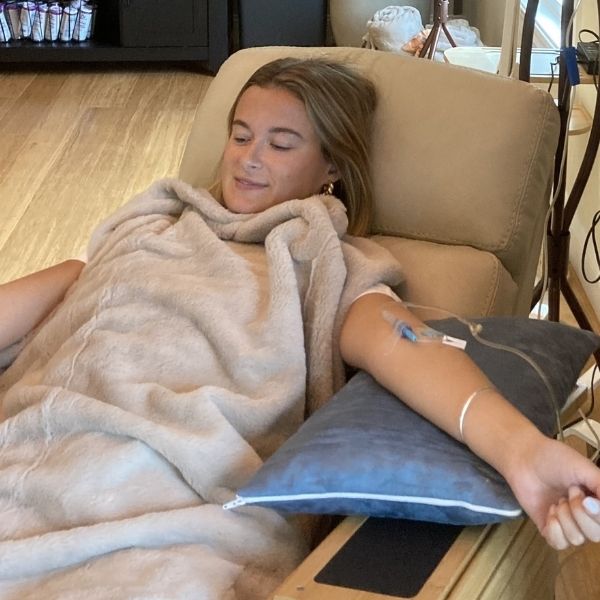

Common wellness goals that lead patients to schedule an IV therapy session include support for hydration after travel, steadier energy during high-stress weeks, immune support during cold and flu season, and general recovery. Some people also use infusions to address conditions like rheumatoid arthritis, multiple sclerosis, Crohn’s disease, autoimmune disorders, immune deficiencies, myasthenia gravis, or other rheumatic conditions under medical supervision.
A first infusion does not commit you to a long treatment journey. Many patients choose a single session to evaluate how they feel afterward. Each infusion session is individualized based on your health history, current symptoms, and health goals discussed during your infusion appointment.
Preparing for Your First Infusion Appointment
Good preparation reduces anxiety and helps your first visit go smoothly. Before starting infusion therapy, new patients typically complete health forms, consent paperwork, and a brief consultation where the care team reviews your medical history.
Here is a practical checklist for preparing for your first infusion therapy appointment:
- Eat a light meal 1-2 hours before your appointment so you feel steady throughout
- Drink water beforehand; hydration before an IV infusion helps in easier catheter insertion because veins are plumper and more visible
- Gather your documents: current medication list, allergy list, any recent lab results, necessary paperwork, and insurance information or your insurance card
- Write down questions about safety, ingredients, frequency, or how infusions fit into a broader treatment plan
- Schedule time off work so you are not rushed; a first infusion therapy appointment typically runs 60-90 minutes total
- Discuss your health history with the care team beforehand, including kidney issues, heart conditions, pregnancy, or certain medications
What to Bring (and What to Wear) to the Infusion Center
Many first infusions last 30-60 minutes in the chair, so planning for comfort pays off.
Clothing: Wear comfortable clothing with sleeves that roll easily above the elbow. Loose-fitting clothing allows easier access to the arms during IV placement. Bring a light sweater or hoodie because infusion rooms can feel cool, and some patients feel cold as fluids enter the vein. Leave tight jewelry or restrictive jackets at home since they can interfere with IV placement.
Entertainment: Bring entertainment like a book, a fully charged phone or tablet, headphones, or journaling materials. Infusion time passes faster when you have something absorbing to focus on.
Essentials: Pack your ID, payment method, a water bottle, and a light snack if the center permits food. If you tend to feel light-headed with needles, consider bringing a friend or family member and arranging a ride home for peace of mind.
Check-In and Meeting Your Care Team at Your First Visit
When you arrive at the infusion center, front desk staff will greet you, confirm your infusion appointment time, and collect any remaining first-time paperwork. They will verify personal details, review consent forms, and answer logistical questions about your first visit.
A nurse checks vital signs and medical history before starting the IV infusion. This clinician will review current medications, allergies, and past reactions. Healthcare professionals check your vital signs throughout the visit, starting at this initial screening. The care team personalizes treatment plans based on patient needs, so they will ask about your specific goals: better hydration, immune support, recovery after travel, or support energy through a demanding stretch.
This is the right time to share any concerns about needles, fainting history, or previous infusion experiences. Your healthcare provider can plan extra support, such as a numbing agent at the insertion site or a slower insertion pace. Patients can ask questions to the care team at any time; you are an active partner in this process, not a passive recipient.
What Happens During Your First Infusion Session
This is the core section answering what to expect during your first IV infusion once you are seated.
A trained infusion nurse brings you to a comfortable recliner. Patients often sit in reclined chairs during the infusion. The nurse cleans the area on your arm with antiseptic and selects a vein, usually in the inner elbow or forearm. A small needle is used to access the vein; a brief pinch or sting is felt when the IV needle is inserted. Once the catheter is in place, the metal needle is removed. Only the soft, flexible small catheter remains, taped securely to your skin.
The infusion bag is hung on a stand, tubing is connected to the IV line, and the drip rate is adjusted so the medication is delivered at a steady, controlled rate. Common sensations include:
- A slight coolness traveling up the arm as fluids enter
- A mild vitamin or metallic taste in the mouth with some blends
- A gradual feeling of relaxation or mental clarity
During the infusion, the medical staff will monitor the patient for reactions and vital signs. A nurse monitors vital signs during the infusion process. The care team monitors for any side effects during the session. Patients should notify staff immediately if they experience burning or swelling at the IV site; this could signal infiltration, which is correctable when caught early.
Settle in with your entertainment, listen to music, meditate, or rest. Your infusion time is yours.
After Your Infusion: How You May Feel and What Comes Next
Most people stand up, use the restroom, and leave the infusion center shortly after the IV is removed. The nurse clamps the line, removes the catheter, applies gentle pressure, and places a small bandage over the infusion site. Post-infusion monitoring may include checking for allergic reactions and providing aftercare instructions.
Many patients feel more hydrated, clear-headed, or energized within a few hours. Others notice subtle improvements over the rest of the day. Patients may feel tired or experience mild soreness at the IV site for a day or two post-infusion; a small bruise at the insertion site is also common.
Aftercare instructions typically include:
- Continue staying hydrated with water
- Have a balanced snack or meal
- Avoid heavy alcohol or intense workouts for several hours
- Monitor the infusion site for unusual redness or swelling
Your care team may recommend follow-up appointments, such as weekly, biweekly, or monthly regular treatments, depending on your health goals and how your body responds. Tracking health changes after each session can help adjust treatment plans effectively over time.
Safety, Side Effects, and When to Contact Your Provider
Wellness infusions are generally well-tolerated when administered by trained medical staff using sterile technique. In Massachusetts, infusion centers must follow Advisory Ruling AR 9204 and licensure rules under 105 CMR 140, which require licensed nurse administration, medical director oversight, and sterile compounding protocols.
Monitoring for side effects occurs throughout the infusion process. IV infusions may require pre-medications to prevent reactions depending on the specific treatment. Mild side effects include fatigue, headache, mild nausea, or brief discomfort at the insertion site; these typically resolve within a day.
Serious side effects require immediate contact with your provider. If you experience spreading redness, chest tightness, difficulty breathing, severe pain at the IV site, or fever after leaving, contact the clinic or seek urgent care. Giving a complete medical history before first infusion therapy, including kidney function, cardiovascular conditions, and all medications, reduces the likelihood of adverse reactions.
Frequently Asked Questions About Your First IV Infusion
These FAQs address the most common concerns people have before a first infusion appointment.
How long does a first IV infusion appointment usually take?
The total visit, including check-in, consultation, IV placement, infusion, and checkout, commonly takes 60-90 minutes for a first visit. The infusion itself is often 30-60 minutes. Infusion sessions can last from half an hour to several hours depending on the formula and treatment type; your care team adjusts timing for comfort and safety.
Is a first infusion painful?
Most people feel only a quick pinch when the needle is inserted, then mild pressure as the catheter is secured. There should not be sharp or ongoing pain during the infusion. If something feels off at the infusion site, call staff over so they can check and reposition if needed.
Can I drive myself home after my first IV therapy session?
Many patients feel well enough to drive after wellness-focused infusions, especially if they ate and stayed hydrated beforehand. If you are nervous about needles or prone to feeling light-headed, arranging a ride from a friend or family member for your first treatment gives added peace of mind.
How should I dress for my first infusion appointment?
Comfortable clothing with sleeves that roll above the elbow works best. Add a light layer if you tend to feel cold. Avoid tight collars, stiff jackets, or anything that makes it hard to relax in a recliner for 30-60 minutes.
How often do people get IV infusions for wellness?
Frequency varies based on goals and individual response. Some patients choose weekly or biweekly infusions for energy or recovery; others prefer monthly maintenance. The care team will discuss a personalized care schedule after evaluating how you feel following your first infusion therapy appointment.
What if I feel nervous or anxious about my first visit?
Tell staff at check-in that the process might feel overwhelming and that you are anxious. The team will explain each step and work closely with you at a comfortable pace. Deep breathing, listening to music, or bringing a friend or family member can also help the experience feel less unfamiliar.
Why Choose a Professional Infusion Center for Your Wellness Infusions
Receiving your first infusion therapy at a dedicated infusion center with trained medical staff provides safeguards that informal settings cannot match. Licensed nurses administer every drip, sterile supplies are standard, and protocols for screening and monitoring are built into every infusion therapy session.
A professional center provides individualized assessment before every infusion treatment, matching ingredients and dosing to your health status, daily life demands, and well being goals. The environment is built for patient comfort: reclining chairs, a calm atmosphere, flexible scheduling, and staff who routinely guide people through their first infusion appointment.
A good center also helps patients plan reasonable follow-up appointments rather than pushing overly frequent visits. The goal is a clear picture of what each session delivers and how it fits into your broader path toward better health.
Taking the Next Step: Booking Your First Infusion With Confidence
Understanding every step of the infusion process, from preparation to aftercare, removes the guesswork. You now have a clear picture of how to receive infusion therapy, what to wear, what to bring, and what sensations to expect during your first IV therapy session.
If you are curious about improved hydration, steadier energy, or recovery support, schedule a consultation. Share your specific health goals, concerns, and upcoming events like travel or competitions so the care team can time and tailor infusions appropriately.
At Bonfire Wellness in North Andover, our dedicated team walks every new patient through the full process, from personalized care planning to aftercare instructions. Contact us to book your first infusion therapy appointment and experience what a well-run infusion therapy session feels like. With the right preparation and care team, IV therapy can be a comfortable, repeatable part of your plan for better health.